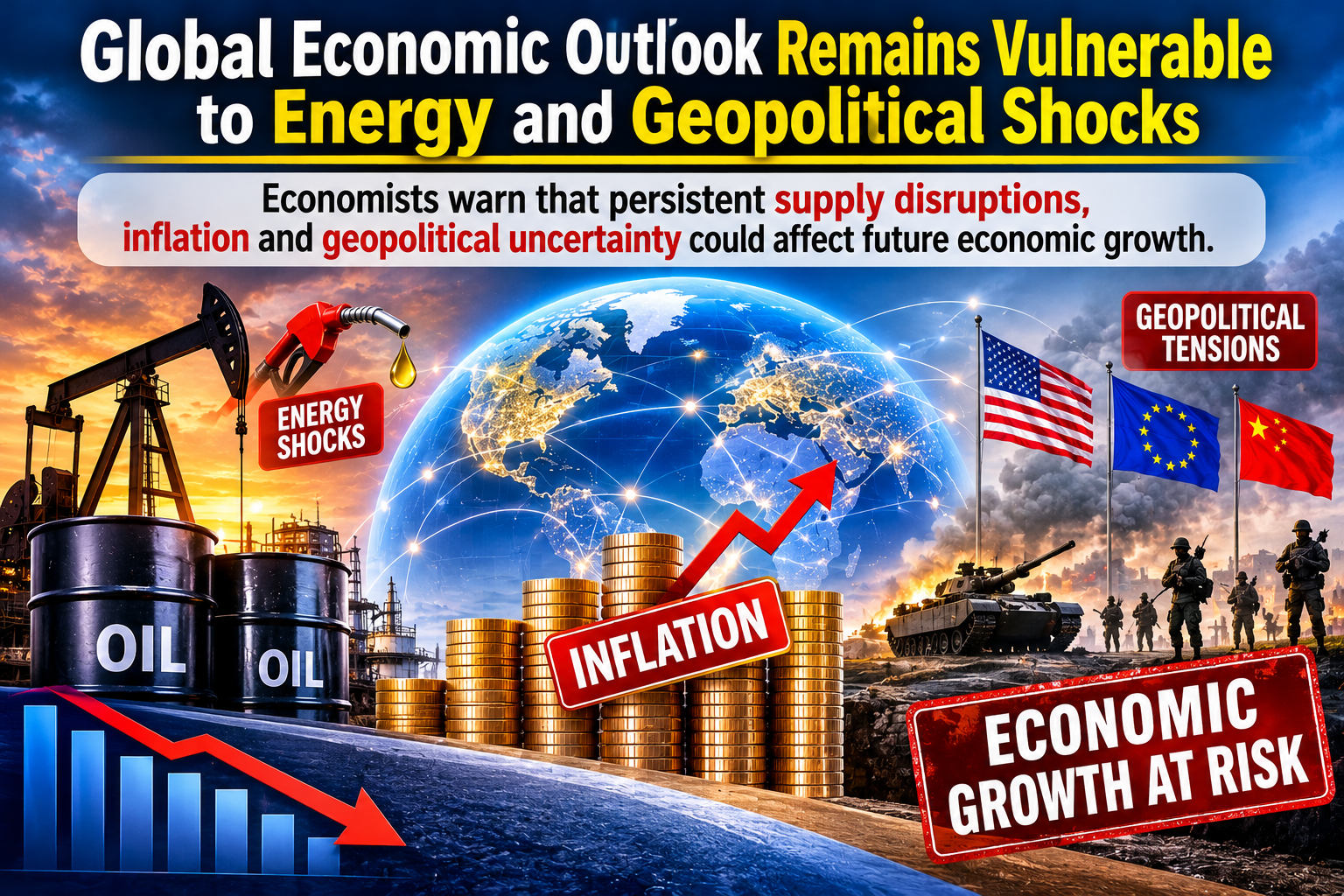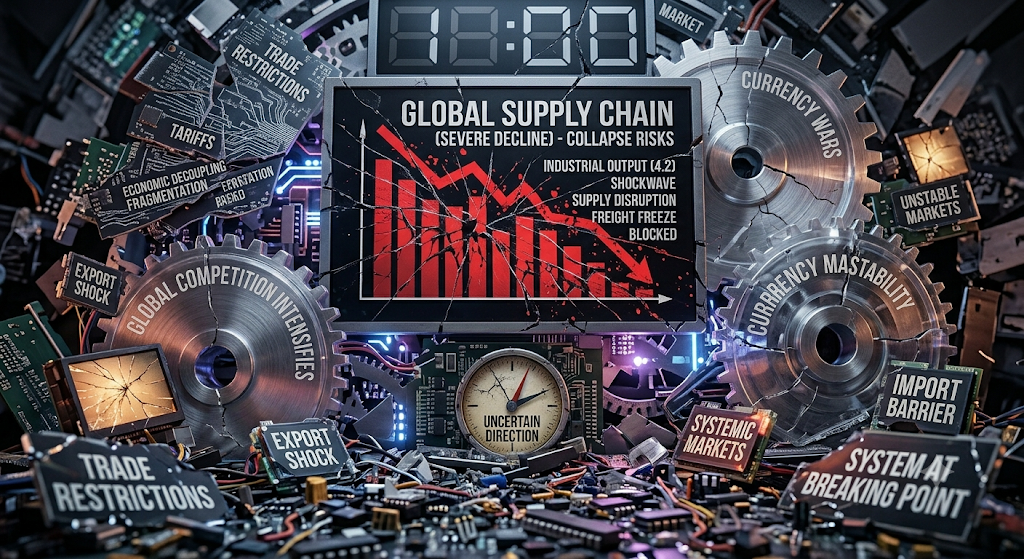
International trade is facing renewed pressure as governments increasingly use tariffs, import restrictions, export controls and industrial subsidies to protect domestic industries and strengthen their strategic positions. Growing competition among major economies, geopolitical tensions and concerns over supply-chain security are reshaping global trade relationships. While international commerce continues to demonstrate resilience, frequent policy changes are making it harder for businesses to plan investments, manage costs and maintain access to overseas markets.
The challenge is not limited to higher tariffs. Companies must also navigate changing regulations, customs requirements, product standards and restrictions on strategically important goods. These developments are creating a more complicated operating environment for exporters, manufacturers and international investors.
Trade Policy Uncertainty Reaches Elevated Levels
Trade policy activity has increased significantly during 2025 and 2026. A WTO–IMF Trade Policy Activity Index update published in July 2026 found that global trade policy activity during January–May 2026 was nearly twice its 2024 level and approximately 25% above its 2025 average. Restrictive measures, including tariff increases, import bans and quantitative restrictions, accounted for much of the acceleration.
This trend reflects a wider shift in how governments approach international commerce. Trade policy is increasingly being used not only to manage economic relationships but also to advance industrial development, national security and geopolitical objectives.
For businesses, the resulting uncertainty can be as challenging as the restrictions themselves. Companies may delay investment decisions, reconsider sourcing arrangements or hold additional inventory when they cannot predict the future cost of importing and exporting goods.
Major Economies Intensify Strategic Competition
Competition among the world’s largest economies remains a major influence on international trade. The United States, China and the European Union are pursuing policies intended to strengthen domestic manufacturing, secure critical supplies and maintain technological advantages.
Industries such as semiconductors, electric vehicles, batteries, telecommunications and advanced manufacturing are particularly exposed. Governments are increasingly focused on controlling access to important technologies and reducing dependence on overseas suppliers for strategically significant products.
The US–China trade relationship remains an important source of uncertainty. Restrictions involving advanced technology, industrial products and critical supply chains can affect manufacturers and suppliers in several countries, not just the two economies directly involved.
The World Trade Organization’s 2026 World Trade Report highlights how geopolitical tensions, technological rivalry and national security concerns are placing additional pressure on rules-based trade cooperation. It also warns that restrictions introduced by one government can encourage countermeasures by others, creating the risk of wider trade fragmentation.
Exporters Face Higher Costs and Operational Challenges
Tariffs can increase the cost of imported raw materials, components and finished products. Businesses that depend on international supply chains may face higher production expenses, reduced profit margins and difficulties maintaining competitive prices.
Exporters also face the risk of losing access to important markets when trading partners introduce new duties or regulatory requirements. Smaller businesses are particularly vulnerable because they often have fewer resources to absorb additional costs or shift quickly to alternative markets.
Policy uncertainty can affect long-term contracts as well. Companies negotiating international supply agreements must consider the possibility that tariffs, customs procedures or product regulations could change before goods reach their destination. This makes pricing, delivery schedules and financial planning more complicated.
The impact can extend to consumers. When businesses pass higher import costs on to customers, prices may rise for manufactured goods, electronics, vehicles and other products that depend on international components.
Global Supply Chains Undergo Strategic Changes
In response to growing trade risks, companies are reconsidering where they manufacture products and obtain essential materials. Strategies such as supply-chain diversification, nearshoring and friendshoring are receiving greater attention.
Rather than depending heavily on a single country or supplier, businesses are exploring alternative production locations and developing relationships with multiple suppliers. This approach can reduce exposure to sudden restrictions, although it may involve higher operating costs and substantial investment.
Emerging economies could benefit from these changes if international manufacturers seek additional production bases. Countries with competitive labour costs, reliable infrastructure, skilled workers and stable trade policies may attract new investment.
However, supply-chain relocation is not immediate or straightforward. Manufacturers must assess logistics networks, energy availability, workforce capabilities, regulatory requirements and access to export markets before establishing new facilities.
India and Emerging Markets Navigate New Opportunities
For India and other emerging economies, the changing trade environment presents both opportunities and risks. Companies may benefit from efforts by multinational businesses to diversify production beyond traditional manufacturing centres. Electronics, pharmaceuticals, engineering goods, textiles and automotive components could gain from additional export demand.
India’s expanding manufacturing capacity and participation in bilateral trade agreements may support its position as an alternative sourcing destination. However, exporters must continue to address challenges involving logistics costs, product quality, regulatory compliance and access to international markets.
Recent developments also demonstrate that trade agreements do not eliminate every commercial dispute. On November 11, 2026, Reuters reported that Indian customs authorities had detained shipments of bulk Scotch whisky imported by major companies while a disagreement continued over the tariff rate applicable under the India–UK trade agreement. The case illustrates how differences in product classification and the interpretation of tariff provisions can create delays even after a trade pact has taken effect.
For exporters, predictable implementation and transparent customs procedures are therefore as important as the headline tariff reductions negotiated in trade agreements.
WTO Cooperation Remains Important
The growing use of trade restrictions has increased the importance of international cooperation. The WTO provides a framework through which countries can negotiate trade rules, address disputes and improve transparency around policy measures.
However, the organisation faces significant challenges as governments increasingly connect trade with national security, industrial policy and technological competition. The 2026 World Trade Report identifies the need to adapt international cooperation to changing patterns of production, digitalisation and cross-border economic activity.
Maintaining predictable trade rules is essential for businesses making long-term decisions. Without effective cooperation, retaliatory measures and competing restrictions could weaken confidence in international markets and increase costs across global supply chains.
The Worldonomics Times Views
Rising international trade tensions reflect a fundamental change in the relationship between economic growth, national security and global competition. Governments have legitimate reasons to protect strategic industries and strengthen domestic production, but excessive restrictions can create unintended consequences for businesses, consumers and economic development.
The priority should be to balance national economic interests with the benefits of open and predictable international commerce. Clear regulations, transparent tariff policies and constructive negotiations can help reduce uncertainty while allowing countries to pursue legitimate industrial objectives.
For exporters and international businesses, adaptability will remain essential. Diversifying markets, strengthening supplier networks, improving operational efficiency and monitoring regulatory developments can help companies manage growing trade risks.
Ultimately, global trade depends on cooperation as much as competition. A more fragmented trading system could increase costs and restrict opportunities, while stable rules and constructive engagement would support investment, innovation and sustainable economic growth.