The Worldonomis Times
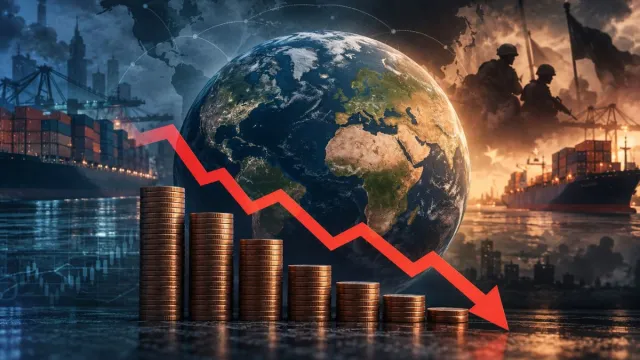
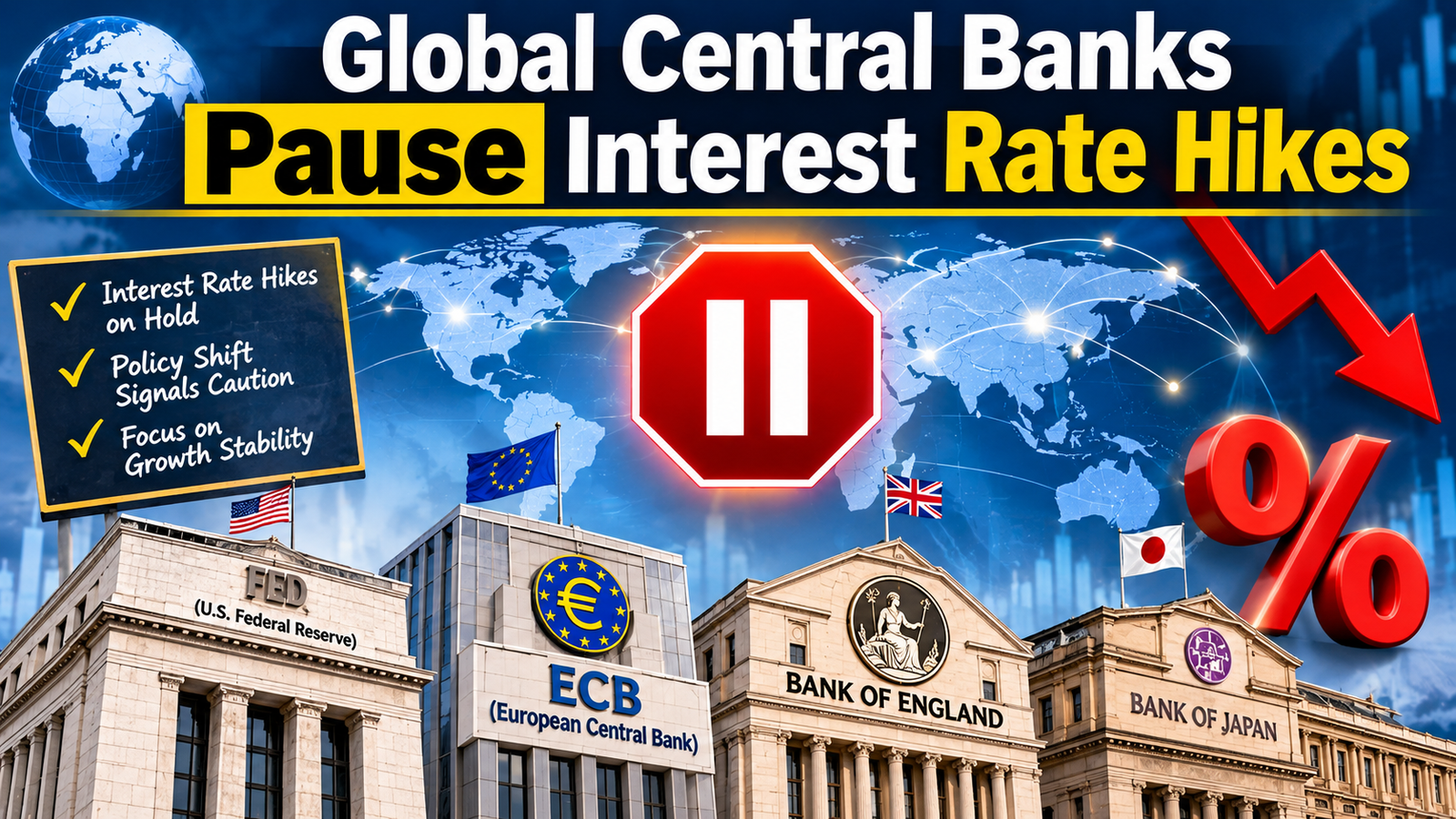
The global economy is entering a period of heightened uncertainty as central banks across the world reassess their monetary policies in response to changing inflation trends, geopolitical tensions, fluctuating energy prices, and uneven economic growth. With financial markets facing increased volatility and businesses navigating unpredictable economic conditions, policymakers are under growing pressure to strike a balance between controlling inflation and supporting sustainable economic expansion.
Central banks play a crucial role in maintaining economic stability through decisions related to interest rates, money supply, liquidity, and financial regulation. However, the current economic environment has made monetary policymaking increasingly complicated. While some economies continue to experience inflationary pressure, others are witnessing slower growth, weaker consumer demand, and concerns about employment.
As a result, central banks are adopting more cautious and data-driven approaches, carefully evaluating economic indicators before making major policy decisions.
Inflation Remains a Major Policy Challenge
Controlling inflation remains one of the primary responsibilities of central banks. Rising prices reduce purchasing power, increase household expenses, and create uncertainty for businesses making long-term investment decisions.
Although inflation has moderated in several major economies compared with previous peaks, price pressures remain a concern in certain sectors. Energy costs, food prices, housing expenses, transportation charges, and supply-chain disruptions continue to influence inflation trends.
Central banks must determine whether inflation is moving towards their desired targets or whether additional monetary tightening is necessary.
Increasing interest rates can help reduce borrowing and spending, thereby limiting inflationary pressure. However, excessive tightening can also slow economic activity, discourage investment, and increase financial stress for households and businesses.
This delicate balance has become a central issue in monetary policy discussions worldwide.
Interest Rate Decisions Under Greater Scrutiny
Interest rates remain one of the most important instruments available to central banks. During periods of high inflation, policymakers may raise rates to control demand and stabilise prices. Conversely, when economic growth weakens, reducing borrowing costs can encourage investment and consumption.
However, the current economic environment does not offer a straightforward policy direction.
Some economies may require relatively restrictive monetary conditions to contain persistent inflation, while others may need more supportive policies to encourage economic activity.
Financial markets closely monitor central bank announcements because even small changes in interest rate expectations can influence stock markets, bond yields, currency valuations, and international capital flows.
Consequently, policymakers are increasingly focused on communicating their decisions clearly to avoid unnecessary market uncertainty.
Geopolitical Tensions and Global Economic Risks
Geopolitical developments are adding another layer of complexity to monetary policymaking. International conflicts, trade restrictions, tariffs, and disruptions to important shipping routes can influence commodity prices and increase production costs.
Oil and natural gas prices are particularly important because changes in energy costs can quickly affect transportation, manufacturing, agriculture, and household expenditure.
For central banks, these developments create difficult challenges. A sudden increase in energy prices may push inflation higher even when domestic consumer demand is weakening.
In such situations, raising interest rates may not directly resolve the underlying supply disruption. Policymakers must therefore distinguish between inflation caused by excessive demand and inflation resulting from external supply shocks.
A balanced response is essential to prevent temporary price increases from developing into broader and more persistent inflationary pressures.
Emerging Economies Face Additional Challenges
Developing economies often face greater monetary policy difficulties because their financial systems are more exposed to international capital movements, exchange-rate fluctuations, and external financing conditions.
Countries such as India must consider several factors when determining monetary policy, including domestic inflation, economic growth, currency stability, foreign investment, and international energy prices.
A weakening domestic currency can make imported commodities more expensive, potentially increasing inflation. At the same time, higher interest rates in major economies can influence capital flows towards developed markets, placing additional pressure on emerging-market currencies.
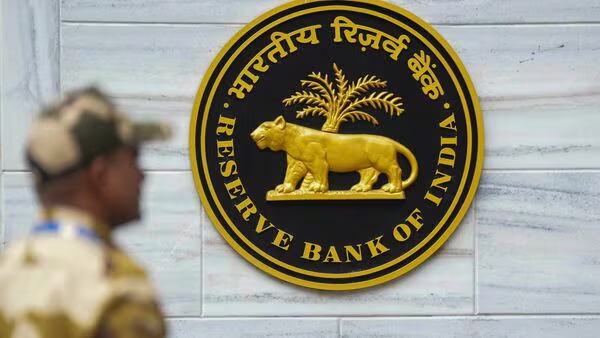
The Reserve Bank of India (RBI) must therefore balance domestic economic priorities with changing international financial conditions.
Maintaining price stability while supporting productive economic activity remains essential for India’s long-term development.
Financial Markets and Banking Stability
Monetary policy decisions have significant implications for financial markets and banking institutions. Changes in interest rates affect lending costs, deposit returns, bond valuations, and investment strategies.
Higher borrowing costs can increase repayment pressure on businesses and households, particularly those with variable-rate loans. Banks must also manage potential credit risks and maintain adequate liquidity during periods of economic uncertainty.
Furthermore, fluctuations in financial markets can influence investor confidence and the availability of capital for businesses.
Central banks must therefore monitor not only inflation and growth but also financial stability, banking-sector liquidity, and the overall health of credit markets.
Technology and the Future of Monetary Policymaking
Technological developments are gradually transforming how central banks monitor economic activity and implement monetary policies.
Advanced data analytics, artificial intelligence, digital payment systems, and real-time financial information are providing policymakers with new tools to assess economic trends.
Digital currencies and the expansion of digital financial services are also influencing discussions about the future of monetary systems.
However, these developments introduce additional concerns related to cybersecurity, financial privacy, regulatory oversight, and operational risks.
Central banks must adapt to technological changes while ensuring that innovation does not undermine financial stability or public confidence.
The Need for Coordinated Economic Strategies
Monetary policy alone cannot address every economic challenge. Governments must complement central bank decisions with responsible fiscal policies, infrastructure investment, structural reforms, and measures that improve productivity.
Excessive government spending can complicate inflation-control efforts, while insufficient public investment may weaken long-term economic growth.
Coordination between monetary and fiscal authorities is therefore important, although central bank independence must remain protected to ensure credible and effective policy decisions.
International cooperation is equally valuable because financial markets and economic risks increasingly cross national boundaries.
The Worldonomis Times View
The Worldonomis Times believes that the current economic environment demands a more flexible, transparent, and carefully balanced approach to monetary policymaking.
Central banks must remain committed to controlling inflation, but they should also recognise the risks of excessive monetary tightening during periods of slowing economic activity.
Policy decisions should be based on reliable economic data, changing market conditions, and the long-term interests of businesses and households rather than short-term market expectations.
For emerging economies, maintaining currency stability, strengthening financial institutions, encouraging productive investment, and managing external economic risks will be particularly important.
The coming period will test the ability of central banks to respond effectively to interconnected challenges involving inflation, energy prices, geopolitical uncertainty, and technological transformation.
Ultimately, successful monetary policy is not simply about adjusting interest rates; it is about creating the conditions necessary for stable prices, financial confidence, sustainable investment, and inclusive economic growth.
As uncertainty continues to shape the global economy, the credibility, independence, and adaptability of central banks will remain essential pillars of international economic stability.