The Worldonomis Times
International supply chains are undergoing a significant transformation as businesses and governments respond to changing trade policies, geopolitical tensions, technological developments, and shifting global economic conditions. The traditional approach of sourcing products from the lowest-cost manufacturing destinations is gradually evolving into a more diversified strategy focused on resilience, flexibility, and long-term supply security.
In an increasingly interconnected global economy, supply chains play a critical role in determining the availability, affordability, and timely delivery of goods and services. From raw materials and industrial components to finished consumer products, international trade networks connect manufacturers, suppliers, distributors, and customers across multiple countries.
However, recent disruptions have highlighted the vulnerabilities of highly concentrated supply chains. Businesses are now reconsidering their sourcing strategies, production locations, transportation networks, and international partnerships to remain competitive in an unpredictable trading environment.
Changing Trade Policies Reshape Supply Chain Strategies
One of the major factors influencing international supply chains is the changing trade policy environment. Governments worldwide are introducing tariffs, import restrictions, export controls, and domestic manufacturing incentives to protect strategic industries and strengthen economic security.
These measures are influencing how multinational companies organise their production and distribution networks.
Higher tariffs can increase the cost of imported components and finished products, forcing businesses to explore alternative suppliers and manufacturing destinations. Similarly, changing regulatory requirements and customs procedures can create additional administrative expenses and delivery delays.
As a result, companies are increasingly prioritising supply-chain diversification rather than depending heavily on a single country or region.
This approach is helping businesses reduce exposure to sudden policy changes while improving their ability to respond to international market disruptions.
Geopolitical Uncertainty Accelerates Supply Chain Diversification
Geopolitical tensions have become an important consideration in international business planning. Conflicts, economic sanctions, diplomatic disagreements, and restrictions on strategic technologies can disrupt the movement of essential goods across borders.
Industries such as electronics, automobiles, pharmaceuticals, energy, and telecommunications are particularly sensitive to these developments because they depend on complex international sourcing networks.
To reduce these risks, businesses are adopting strategies such as:
- China Plus One: Maintaining manufacturing operations in China while developing additional production facilities in other countries.
- Nearshoring: Moving production closer to major consumer markets to reduce transportation costs and delivery times.
- Friend-shoring: Building supply-chain relationships with countries considered reliable economic and strategic partners.
- Regional sourcing: Increasing purchases from suppliers located within nearby markets to improve operational flexibility.
These strategies are gradually reshaping international manufacturing and trade relationships.
Technology Becomes Essential for Supply Chain Management
Digital transformation is playing an increasingly important role in improving supply-chain efficiency and transparency.
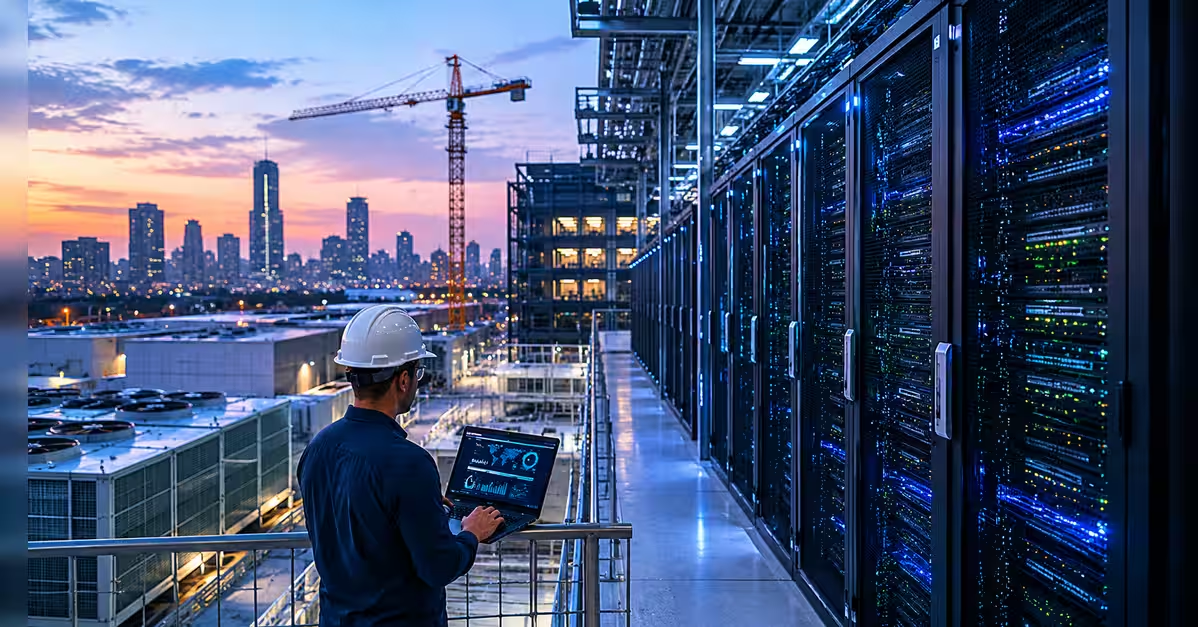
Artificial intelligence, automation, cloud computing, Internet of Things (IoT) devices, and advanced data analytics are helping businesses monitor production, track shipments, forecast demand, and identify potential disruptions.
AI-powered forecasting systems can analyse historical sales, market trends, weather conditions, and transportation information to help companies make more informed inventory decisions.
Similarly, digital tracking technologies allow businesses to monitor shipments and obtain real-time information about goods moving through international logistics networks.
These developments are reducing dependence on manual processes and improving coordination between manufacturers, suppliers, warehouses, and distributors.
For businesses operating across multiple countries, digital supply-chain management is becoming an important competitive advantage.
Emerging Economies Gain New Manufacturing Opportunities
The restructuring of international supply chains is creating opportunities for emerging economies seeking to strengthen their manufacturing sectors and expand exports.
Countries such as India, Vietnam, Indonesia, Mexico, and Thailand are attracting attention as alternative manufacturing and sourcing destinations.
India, in particular, has opportunities to expand its participation in global supply chains through sectors such as electronics, pharmaceuticals, automobiles, textiles, engineering goods, and renewable energy equipment.
Government initiatives supporting domestic manufacturing, infrastructure development, logistics improvements, and foreign investment are contributing to this opportunity.
However, attracting international manufacturers requires more than competitive labour costs. Countries must also provide reliable electricity, efficient transportation networks, skilled workers, consistent regulations, and access to international markets.
Emerging economies that successfully address these requirements can strengthen their position in global manufacturing and trade.
Logistics and Transportation Face New Challenges
International transportation remains one of the most important components of global supply chains. Shipping routes, ports, airports, railways, and road networks determine how efficiently products move between production centres and consumer markets.
Disruptions to major maritime routes, port congestion, rising fuel prices, and increased freight insurance costs can significantly affect delivery schedules and business expenses.
Companies are therefore exploring alternative transportation routes, developing regional distribution centres, and investing in more flexible logistics arrangements.
Ports and logistics providers are also adopting automation, digital documentation, and advanced cargo management systems to improve operational efficiency.
The development of multimodal transportation networks, connecting road, rail, air, and sea freight, can further improve the resilience of international distribution systems.
Small and Medium Enterprises Face Adaptation Pressures
While large multinational corporations often have the financial resources to diversify suppliers and establish alternative manufacturing facilities, small and medium-sized enterprises (SMEs) face greater difficulties.
Higher transportation expenses, complex customs procedures, changing compliance requirements, and limited access to international financing can affect their competitiveness.
SMEs may also depend on a smaller number of suppliers, making them more vulnerable to sudden disruptions.
Governments, financial institutions, and industry associations can support these businesses through export financing, digital