By Worldonomics Times
Date: October 27, 2026
Introduction
Consumer confidence is one of the most important indicators of economic health in the United States. As household spending accounts for a substantial share of economic activity, changes in consumers’ financial expectations can influence retail sales, business investment, employment, and overall economic growth. When confidence weakens, households may become more cautious about spending, raising concerns about the strength and sustainability of the economic recovery.
The US economy is influenced by several interconnected factors, including inflation, interest rates, employment conditions, household debt, and uncertainty surrounding international trade. When consumers feel less secure about their financial future, they may postpone major purchases, increase savings, and reduce discretionary spending. If this behaviour becomes widespread, businesses may experience weaker demand, potentially affecting production, hiring, and investment decisions.
Factors Behind Declining Consumer Confidence
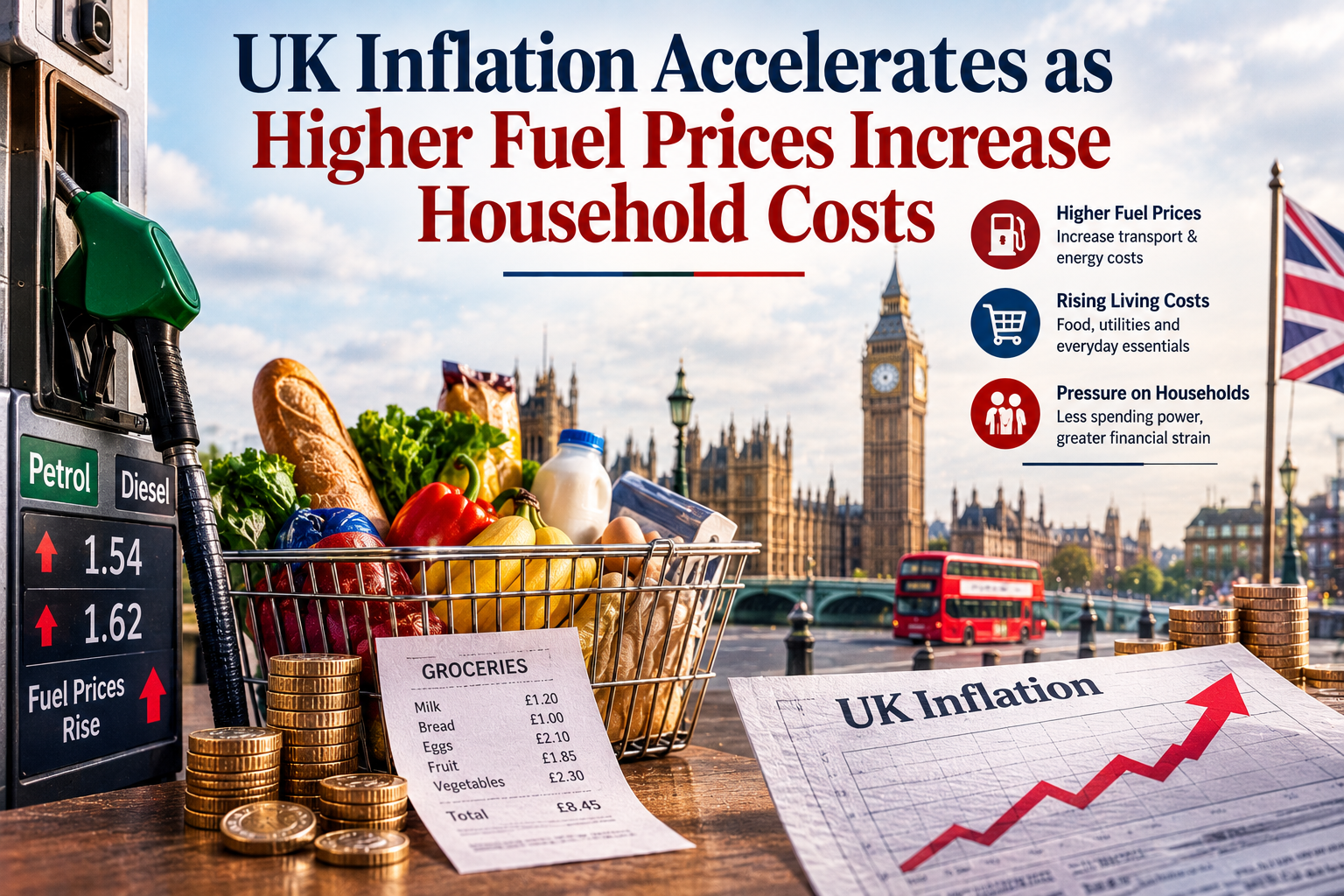
One of the primary factors affecting consumer sentiment is the cost of living. Even when inflation slows, households may continue to face elevated prices for groceries, housing, healthcare, transportation, and utilities. A slower rate of price increases does not necessarily mean that prices have returned to previous levels, leaving many consumers under pressure to manage everyday expenses.
Borrowing costs are another important consideration. Higher interest rates can make mortgages, automobile loans, credit cards, and other forms of consumer credit more expensive. Households with variable-rate debt or loans that require refinancing may experience additional financial pressure, while prospective homebuyers may delay purchasing property because of affordability concerns.
Employment expectations also influence consumer confidence. Although current employment conditions may remain relatively stable, concerns about possible layoffs, slower recruitment, or reduced wage growth can encourage households to spend more cautiously. Consumers often adjust their behaviour before economic weakness becomes fully visible in official data.
Uncertainty surrounding government policies, tariffs, and international economic developments can further affect sentiment. When households are unsure about future prices, employment prospects, or the broader economic outlook, they may postpone significant financial commitments.
Impact on Household Spending
Consumer spending is a major driver of US economic activity. A decline in confidence can therefore have consequences extending well beyond individual households. When consumers become more cautious, they may reduce spending on restaurants, entertainment, travel, electronics, clothing, and other discretionary purchases.
Retailers and service providers can feel the effects through slower sales growth and changing customer behaviour. Businesses may respond by offering discounts, reducing inventory orders, postponing expansion plans, or reassessing recruitment needs.
Spending patterns can also differ across income groups. Higher-income households may be better positioned to maintain consumption because of stronger savings and investment assets. Lower- and middle-income households, however, may have less flexibility when essential expenses consume a larger proportion of their budgets.
This uneven pressure can create challenges for sectors that depend heavily on everyday consumer demand. If businesses respond to weaker sales by reducing working hours or employment, household incomes may come under further pressure, reinforcing the initial decline in spending.
Implications for US Economic Growth
Weaker consumer confidence does not automatically indicate an economic downturn, but a sustained decline can signal potential risks to future growth. The relationship between confidence and actual spending is complex because consumers may remain cautious in surveys while continuing to spend on essential goods and services.
Nevertheless, persistent weakness in sentiment can become economically significant when it coincides with slowing income growth, tighter credit conditions, and declining employment opportunities. Under these circumstances, households may reduce both discretionary purchases and larger commitments, including homes, vehicles, and household equipment.
Businesses may then experience weaker revenue growth, prompting them to delay investment in new facilities, technology, and workforce expansion. Reduced consumption and investment can weigh on economic output, while slower hiring may further undermine household confidence.
The effects may extend to financial markets. Investors closely monitor consumer sentiment alongside retail sales, labour-market statistics, inflation figures, and corporate earnings. A combination of weaker demand and rising economic uncertainty can influence expectations for company profits and future interest-rate decisions.
However, the US economy also benefits from its large domestic market, diverse industries, and capacity for technological innovation. Strong productivity, resilient household finances, and continued employment growth can help offset periods of weaker sentiment.
The Federal Reserve’s Policy Challenge
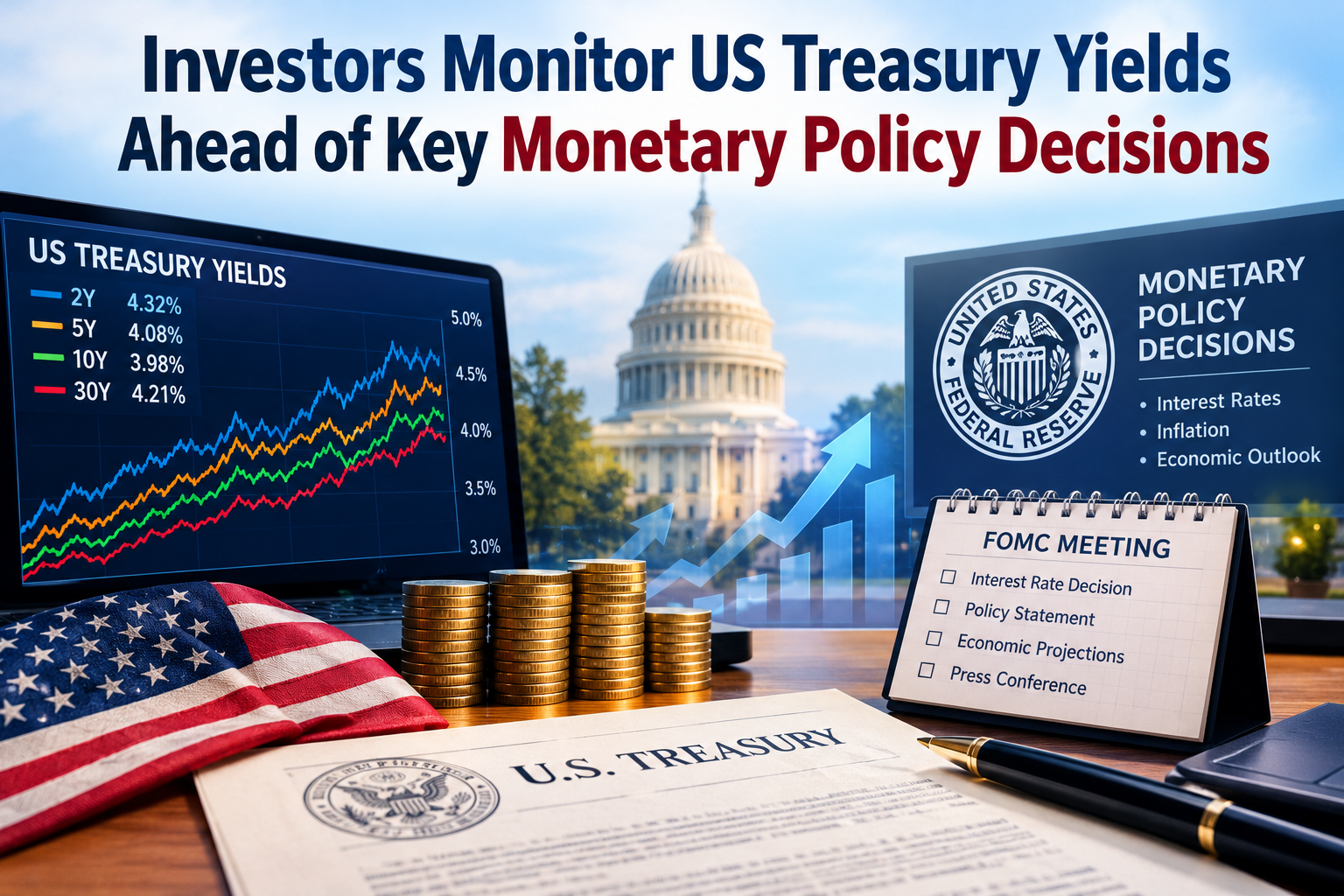
Weakening consumer confidence also presents a challenge for the Federal Reserve, which must balance its goals of maximum employment and price stability. If consumer demand slows significantly and inflation pressures ease, policymakers may have greater scope to reduce interest rates. However, if inflation remains persistent, easing monetary policy too quickly could complicate efforts to maintain price stability.
Interest-rate decisions affect borrowing costs throughout the economy, influencing household spending, business investment, and housing-market activity. Yet monetary policy cannot immediately resolve structural problems such as housing shortages, high healthcare costs, or uncertainty surrounding employment.
The Federal Reserve must therefore evaluate consumer confidence alongside broader economic indicators rather than treating sentiment surveys as a definitive measure of economic performance.
The Worldonomics Times View
Weakening consumer confidence deserves close attention because household expectations can influence economic decisions long before their effects become visible in official growth figures. Policymakers should focus on maintaining price stability, supporting productive employment, and addressing the structural costs that place pressure on household budgets.
Businesses should also prepare for changing consumer behaviour by managing costs, improving productivity, and adapting to shifts in demand. Clear economic policies and predictable business conditions can help reduce uncertainty and encourage households and companies to make informed financial decisions.
Conclusion
Declining consumer confidence presents a potential challenge for US economic growth, particularly if concerns about living costs, borrowing expenses, and employment prospects translate into sustained reductions in spending. While weaker sentiment alone does not guarantee an economic slowdown, its combination with other signs of economic weakness could create broader difficulties.
The outlook will depend on the strength of household incomes, labour-market conditions, inflation trends, and the effectiveness of economic policy. Maintaining consumer purchasing power while encouraging investment and employment will remain essential to sustaining economic momentum.
Ultimately, the resilience of the US economy will depend not only on financial-market performance and business investment but also on households’ ability and willingness to spend. Restoring confidence through stable economic conditions and sustainable income growth will be an important factor in supporting long-term prosperity.