Rising trade barriers, international conflicts and economic uncertainty are challenging global markets, prompting governments and businesses to reassess investment, supply chains and long-term growth strategies.
Global Economy Navigates Growing Uncertainty
The global economy is facing mounting challenges as trade tensions, geopolitical conflicts and shifting international policies create uncertainty for businesses, investors and governments. Although economic activity continues across major markets, increasing disruptions to international commerce and financial flows threaten to weaken growth prospects and complicate efforts to maintain economic stability.
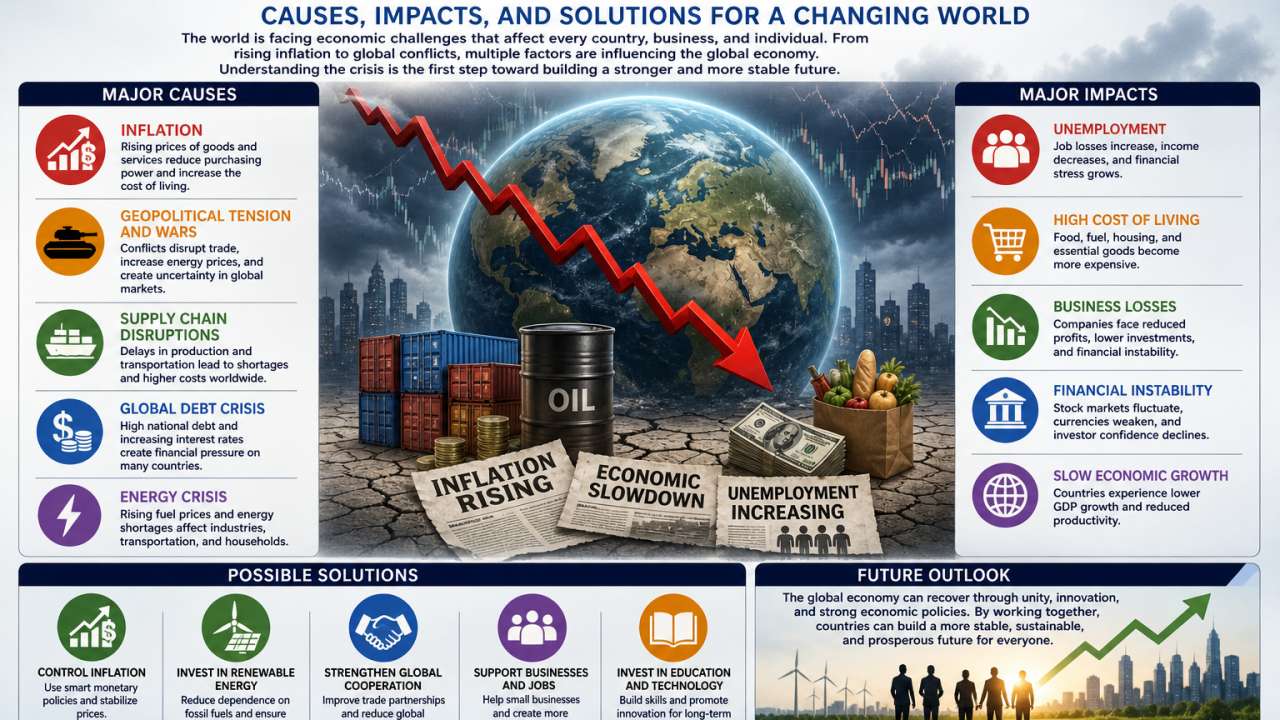
In an interconnected world, developments in one region can quickly affect economies elsewhere. Conflicts can disrupt energy supplies and shipping routes, while tariffs and trade restrictions can increase production costs and limit access to important markets. These pressures can influence inflation, employment, investment and consumer confidence.
For policymakers, the challenge is to protect domestic economic interests without undermining the international cooperation that supports global prosperity. The ability of countries to manage these risks will play an important role in determining the pace and sustainability of economic growth in the coming years.
Trade Tensions Reshape Global Commerce
International trade remains a major driver of economic development, enabling countries to exchange goods, services, technology and capital. However, rising tariffs, export controls and other trade restrictions are creating new obstacles for businesses operating across borders.
When governments impose additional duties on imported products, businesses may face higher costs for raw materials, machinery and intermediate goods. Companies must then decide whether to absorb these expenses, pass them on to customers or restructure their supply chains.
These adjustments can be particularly difficult for manufacturers that depend on components sourced from multiple countries. Higher costs and uncertainty about future trade policies may delay investment decisions, reduce production efficiency and weaken demand.
Trade disputes can also encourage businesses to shift production towards alternative markets. While supply-chain diversification can improve resilience over time, relocating factories, finding new suppliers and establishing distribution networks can involve substantial short-term expenses.
For smaller economies and developing countries, prolonged trade tensions may create additional challenges by restricting access to major export markets and reducing opportunities to attract foreign investment.
Geopolitical Conflicts Increase Economic Risks
Geopolitical instability is another significant pressure on global economic growth. International conflicts and heightened diplomatic tensions can disrupt commodity markets, interrupt transportation networks and create uncertainty about future economic conditions.
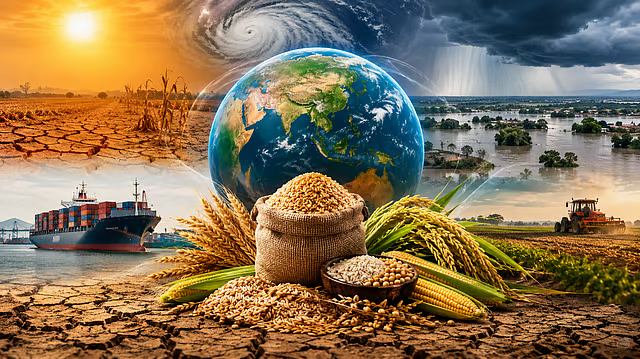
Energy markets are especially sensitive to geopolitical developments. Disruptions affecting major oil and gas producers or critical shipping routes can push energy prices higher, increasing expenses for households, transport operators and industrial businesses.
Higher energy costs can also spread through supply chains, raising the prices of food, manufactured goods and services. This may complicate the task of central banks seeking to control inflation while supporting economic activity.
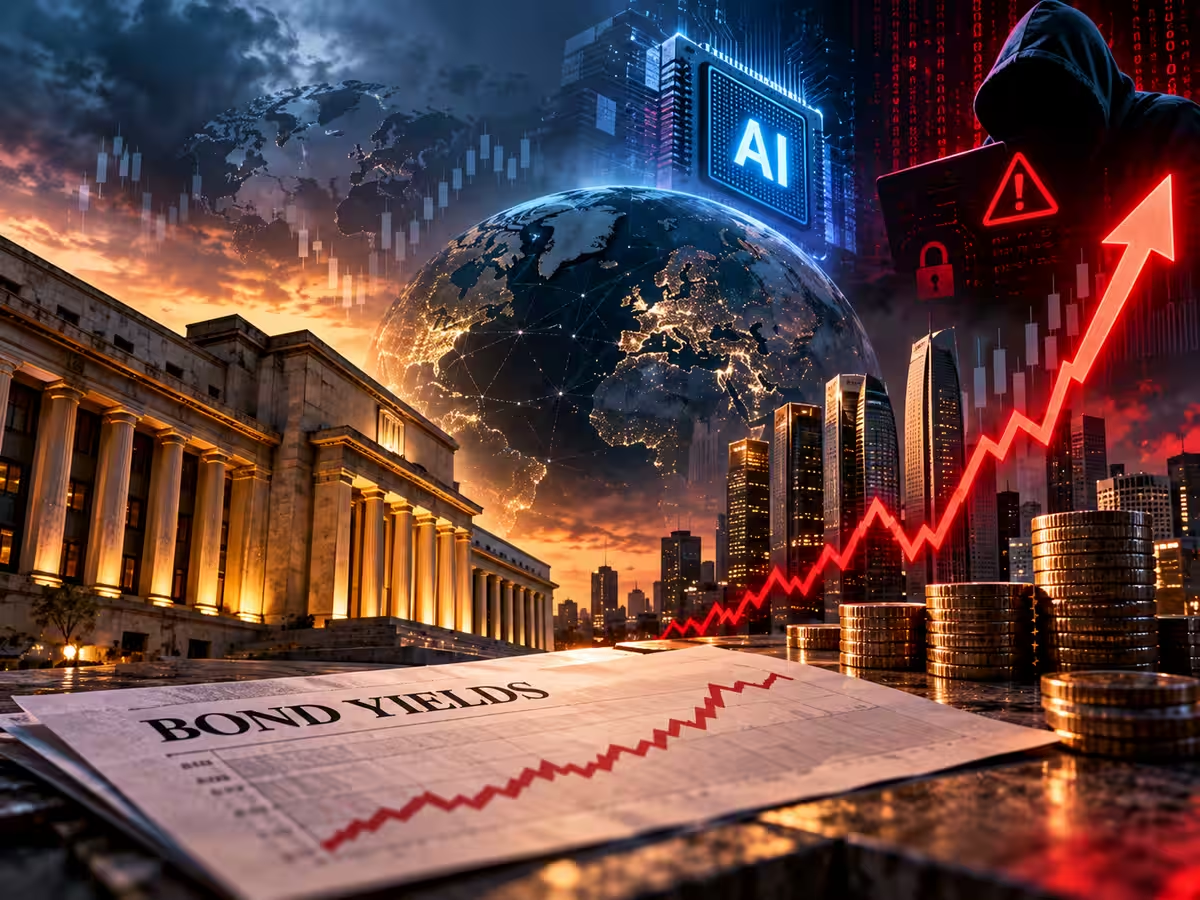
Beyond energy markets, geopolitical tensions can influence investment decisions. Companies may postpone expansion plans when political risks make future demand, market access or operating costs difficult to predict. Investors may also move capital towards assets they perceive as safer, creating volatility in financial markets and exchange rates.
These effects demonstrate how political developments can have economic consequences far beyond the countries directly involved.
Inflation and Interest Rates Add to the Pressure
Trade barriers and geopolitical disruptions can increase inflationary pressures at a time when many economies are seeking stable prices and sustainable growth.
Tariffs can raise the cost of imported goods, while supply disruptions may reduce the availability of essential products. If higher costs persist, businesses may pass them on to consumers, reducing household purchasing power.
Central banks face a difficult balancing act. Keeping interest rates elevated may help contain inflation but can also increase borrowing costs for businesses and households. This may discourage investment, slow property markets and reduce consumer spending.
Conversely, lowering interest rates too quickly could prove problematic if inflation remains persistent. Policymakers must therefore assess whether price increases are temporary or likely to spread across the wider economy.
The resulting uncertainty can make financial planning more difficult for businesses and governments, particularly those already facing high debt-servicing costs.
Emerging Economies Face Uneven Challenges
Emerging and developing economies may experience the consequences of global trade and geopolitical pressures differently. Some countries could benefit from companies relocating production or diversifying suppliers. Others may face declining export demand, higher import bills and reduced access to international financing.
Countries dependent on imported energy are vulnerable to rising fuel prices, while commodity-exporting economies may experience fluctuations in government revenue as global prices change.
Currency depreciation can further increase the domestic cost of imported goods and foreign-currency debt. Governments may consequently face pressure to provide economic support while maintaining fiscal discipline.
Strengthening domestic industries, diversifying export markets and investing in infrastructure can help these economies become more resilient. Improved education, technological capabilities and a stable regulatory environment can also attract investment and create employment opportunities.
The Importance of International Cooperation
Despite growing geopolitical divisions, international cooperation remains essential to preserving economic stability. Constructive trade negotiations, predictable regulations and effective communication between governments can reduce uncertainty and prevent disputes from escalating.
Countries can also strengthen resilience by diversifying supply chains, improving strategic reserves and investing in reliable infrastructure. However, excessive protectionism may raise costs, reduce competition and limit access to technologies that support productivity.
Businesses must adapt by assessing geopolitical exposure, identifying alternative suppliers and developing contingency plans. Governments, meanwhile, need policies that support vulnerable households and productive industries without creating unsustainable fiscal burdens.
The Worldonomics Times View
The Worldonomics Times believes that trade tensions and geopolitical conflicts represent serious tests of global economic resilience. While countries have legitimate reasons to protect national security and strengthen domestic industries, policies that unnecessarily restrict international commerce can impose costs on businesses, consumers and economic development.
Governments should prioritise dialogue, predictable trade policies and cooperation wherever possible. At the same time, businesses must strengthen supply-chain flexibility, manage financial risks and invest in innovation to remain competitive in an uncertain environment.
Emerging economies should focus on diversification, infrastructure, workforce development and sound economic management to reduce their vulnerability to external shocks.
Ultimately, sustainable global growth requires more than domestic policy measures. It depends on stability, confidence and constructive international engagement. As trade and geopolitical pressures continue to shape the world economy, the countries that combine strategic preparedness with economic cooperation will be better positioned to protect prosperity and create opportunities for the future.