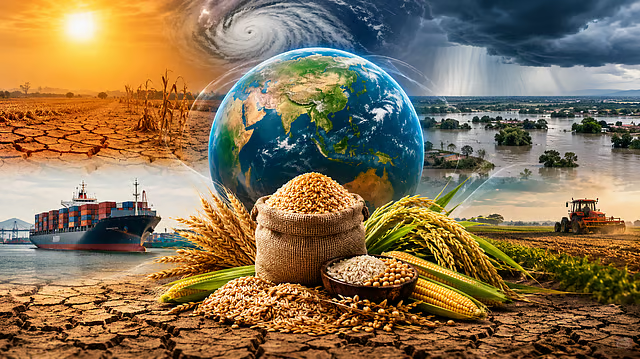
Climate shocks, rising production costs and disruptions to agricultural supply chains are increasing uncertainty over food prices, putting pressure on household budgets and complicating central banks’ efforts to control inflation.
The Worldonomics Times | 28 October 2026
Food Inflation Emerges as a Growing Concern
Food prices remain a critical source of inflationary pressure across the global economy. While headline inflation may ease in some countries, rising costs for essential food items can continue to affect households, businesses and governments. Agricultural production is increasingly exposed to unpredictable weather, changing rainfall patterns, higher input costs and disruptions to international trade.
Food inflation is particularly significant because food accounts for a substantial share of household expenditure, especially in lower-income economies. When prices of staples such as wheat, rice, maize, vegetable oils and dairy products rise, families often have limited opportunities to reduce consumption without affecting their nutritional needs.
For policymakers, the challenge extends beyond the immediate cost of living. Persistent food-price increases can influence wage demands, inflation expectations and monetary policy decisions. If these pressures spread to other goods and services, a temporary agricultural supply shock can become a broader economic concern.
Climate Change Increases Agricultural Supply Risks
Weather conditions play a decisive role in agricultural output. Droughts, floods, heatwaves and irregular monsoon patterns can damage crops, reduce yields and disrupt planting and harvesting schedules. As extreme weather events become more difficult to predict, farmers face greater uncertainty over production and income.
Major agricultural producers are particularly important to international markets because disruptions in their output can affect global availability and prices. A poor harvest in a key wheat, maize or rice-producing region can tighten supplies, increase export demand from alternative producers and push international prices upwards.
Water scarcity is another growing concern. Agriculture requires reliable access to water, yet groundwater depletion and competition among households, industries and farms can limit irrigation capacity. In regions heavily dependent on seasonal rainfall, delayed or insufficient precipitation can threaten crop production and rural livelihoods.
The effects are not always immediate. Farmers may initially draw on stored grain or existing inventories, delaying the impact on retail prices. However, if poor harvests continue across successive seasons, reserves may decline and supply pressures can intensify.
Higher Input Costs Raise Food Production Expenses
Agricultural production depends on a wide range of inputs, including fertilisers, fuel, electricity, seeds, pesticides, machinery and transportation. When the prices of these inputs rise, farmers face higher operating expenses.
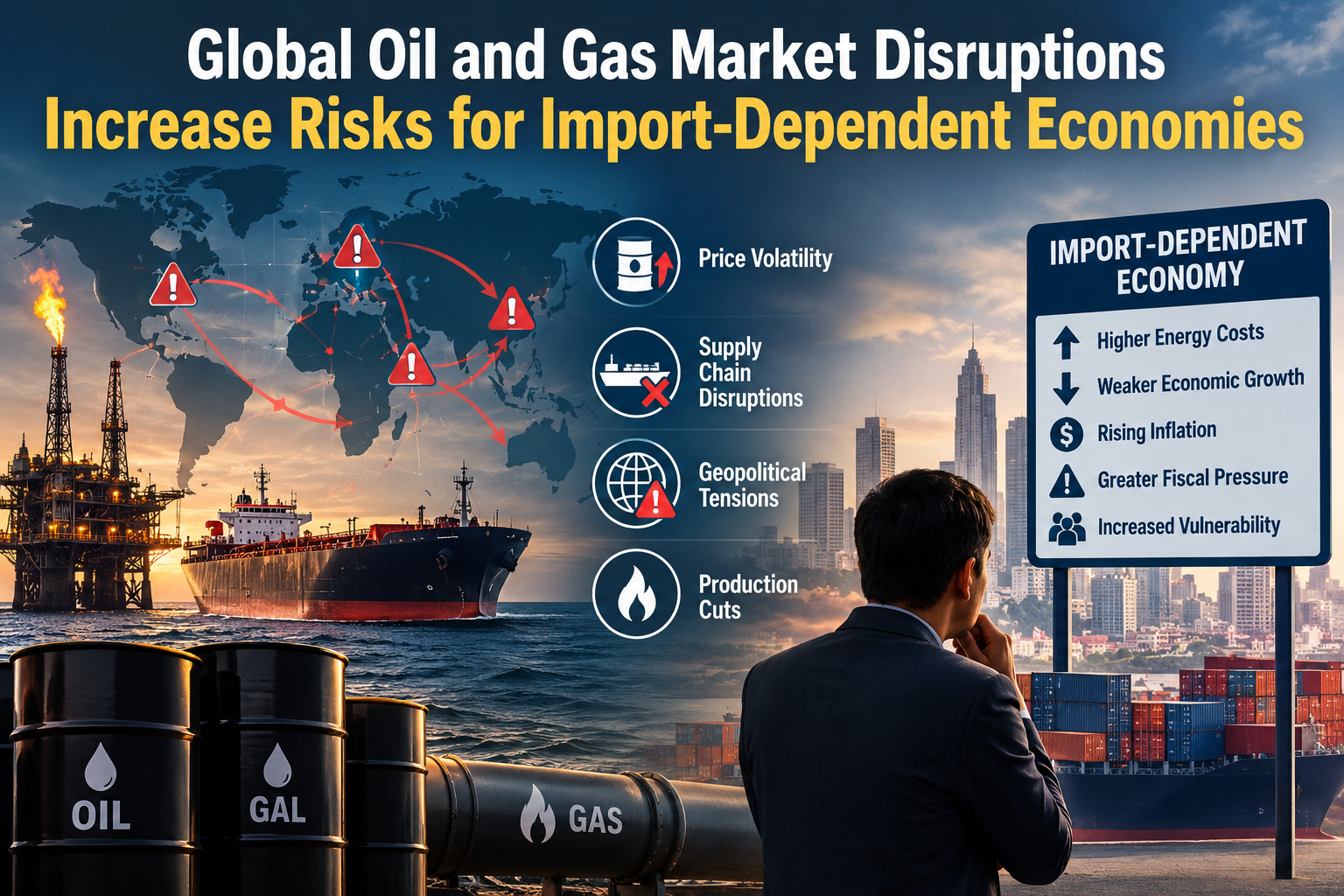
Fertiliser costs are especially important because they influence crop yields and planting decisions. Natural gas is a major input in the production of nitrogen-based fertilisers, meaning that energy-market disruptions can affect agricultural costs even when farms are located far from the source of the original shock.
Higher diesel prices increase the cost of operating tractors, irrigation pumps and harvesting equipment. They also raise expenses associated with transporting crops from farms to storage facilities, processing centres, wholesale markets and retail outlets.
Farmers may respond to rising costs by reducing fertiliser use, switching crops or cultivating less land. Although such adjustments can protect short-term finances, they may also reduce future output and contribute to tighter supplies.
The resulting price increases can spread throughout the food supply chain, affecting processors, distributors, restaurants and retailers before reaching consumers.
Global Trade Disruptions Add to Price Volatility
International trade helps countries manage differences in agricultural production. When domestic harvests fall short, imports can supplement supplies and prevent severe shortages. However, this system depends on reliable shipping, functioning ports and predictable trade policies.
Export restrictions imposed during periods of domestic scarcity can complicate the situation. Governments may seek to protect local consumers by limiting exports of essential food commodities. While such measures can temporarily increase domestic availability, they may reduce supplies in importing countries and intensify international price volatility.
Shipping disruptions, higher freight charges and increased insurance costs can further raise the expense of moving agricultural products across borders. Import-dependent economies are particularly vulnerable because they have fewer immediate alternatives when international supplies become expensive or difficult to obtain.
Currency movements also matter. If a country’s currency weakens against the US dollar, imported food and agricultural inputs priced in dollars can become more expensive even when international commodity prices remain unchanged.
Greater transparency in agricultural markets, diversified import sources and predictable trade rules can help reduce these risks.
Households and Emerging Economies Face the Greatest Pressure
The effects of food inflation are unevenly distributed. Wealthier households may absorb moderate price increases by adjusting discretionary spending, while low-income families often devote a larger share of their budgets to food and other necessities.
When essential food becomes more expensive, households may cut spending on healthcare, education, transport and other important needs. This can weaken consumer demand across the economy and increase financial hardship.
Emerging and developing economies face additional challenges when food imports account for a significant share of domestic consumption. Higher import bills can widen trade deficits, place pressure on foreign-exchange reserves and increase the cost of government food-support programmes.
Governments may introduce subsidies, cash transfers or temporary tax reductions to protect vulnerable households. Such measures can provide relief, but broad and expensive interventions may strain public finances if maintained for too long. Targeted support is generally more sustainable when it reaches households most affected by rising prices.
Central Banks Face a Difficult Policy Balance
Food-price increases complicate the work of central banks because they can raise headline inflation even when domestic demand is not particularly strong.
Monetary policy cannot directly improve rainfall, increase harvests or immediately restore disrupted shipping routes. Higher interest rates may restrain demand and prevent inflation expectations from becoming entrenched, but they cannot resolve the underlying shortage of agricultural goods.
If food inflation persists, however, workers may seek higher wages to compensate for rising living costs. Businesses may also pass higher costs on to consumers, allowing the initial supply shock to spread into broader inflation.
Central banks must therefore distinguish between temporary price movements and more persistent inflationary pressures. Clear communication, careful monitoring of inflation expectations and coordination with well-designed agricultural and fiscal policies can help prevent unnecessary economic disruption.
Building More Resilient Food Systems
Reducing food-price volatility requires investment beyond short-term crisis management. Governments can strengthen agricultural resilience through improved irrigation, climate-adaptive seeds, better weather forecasting, efficient storage and modern transport infrastructure.
Post-harvest losses remain a major concern in many economies. Investment in cold storage, warehouses and rural roads can help preserve food, improve market access and reduce waste between farms and consumers.
Farmers also benefit from access to affordable credit, crop insurance, technical training and reliable market information. These measures can help them manage weather-related risks and make informed decisions about planting and investment.
International cooperation is equally important. Countries can improve food security by maintaining transparent stock information, avoiding unnecessary trade restrictions and supporting the flow of agricultural products during periods of scarcity.
The Worldonomics Times View
Food-price inflation is not simply a matter of rising supermarket bills. It reflects the vulnerability of agricultural systems to climate change, energy-market shocks, trade disruptions and weaknesses in storage and distribution networks.
Policymakers should protect vulnerable households through targeted assistance while avoiding measures that place unsustainable pressure on public finances. Central banks must remain alert to the possibility that food-price shocks could influence broader inflation expectations, even when monetary policy cannot directly address the original supply problem.
Long-term priorities should include climate-resilient farming, improved water management, stronger rural infrastructure, modern storage facilities and diversified agricultural trade. Governments should also encourage responsible investment in technology that improves productivity while protecting natural resources.
Ultimately, stable food prices depend on reliable production, efficient distribution and international cooperation. Strengthening these foundations will help countries manage agricultural shocks, protect household purchasing power and reduce the risk that food shortages become a lasting threat to economic stability.