Democratic victories in both chambers of Congress reshape Washington’s political landscape, prompting investors to reassess US fiscal policy, trade relations, technology regulation and the future direction of global financial markets.
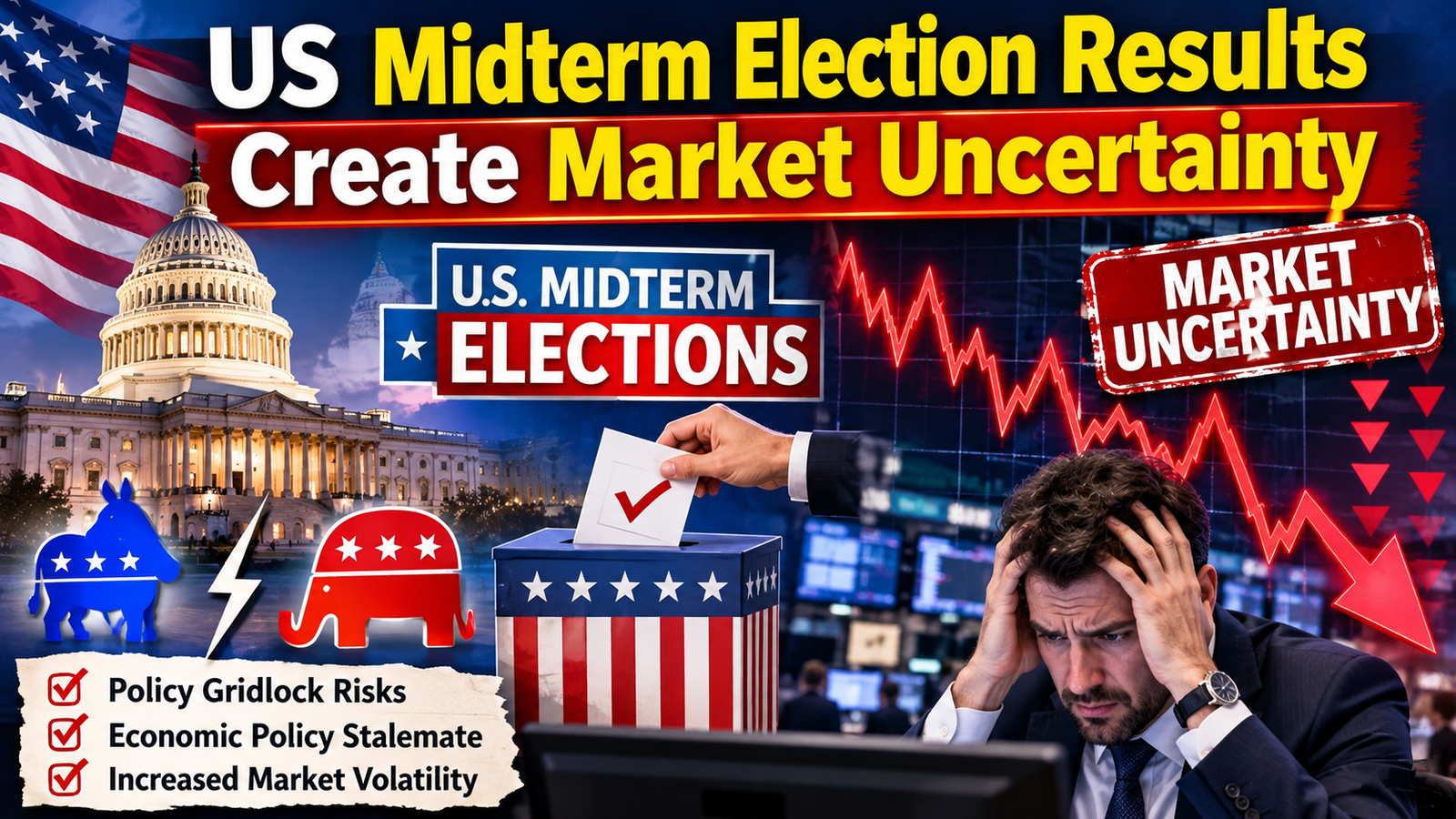
The United States is entering a new phase of political and economic uncertainty following the November 3, 2026, midterm elections. The Democratic Party secured majorities in both the House of Representatives and the Senate, creating a divided government with Republican President Donald Trump continuing in the White House.
The outcome marks a significant political shift and is expected to influence the direction of economic policymaking during the remaining two years of the presidential term. For global investors, businesses and financial institutions, the election results have introduced fresh questions about government spending, taxation, international trade, technology regulation and America’s broader economic strategy.
Financial markets reacted immediately to the results. According to Reuters, initial trading saw US stock futures decline, Treasury yields fall and the US dollar weaken. Although markets subsequently experienced a recovery, volatility returned on November 5, when major US stock indexes recorded significant losses, particularly in technology-related shares.
The changing political environment has therefore become an important factor in determining investor confidence and global market expectations.
A New Political Balance in Washington
The Democratic victory in both congressional chambers represents a major change in the US political landscape.
With Democrats set to control Congress from January 2027, President Trump may encounter greater resistance when attempting to advance major legislative priorities. Government spending proposals, tax-related measures, regulatory reforms and other economic initiatives could face increased scrutiny and political negotiation.
The emergence of divided government does not necessarily mean an immediate reversal of existing economic policies. However, it could slow legislative decision-making and create uncertainty regarding the implementation of future reforms.
Businesses and investors will closely monitor how the administration and Congress manage disagreements over taxation, infrastructure spending, energy policy and international trade.
The possibility of prolonged political negotiations could also affect government funding decisions and discussions surrounding the federal debt ceiling.
Financial Markets React to Political Uncertainty
Financial markets are particularly sensitive to political developments because investment decisions depend heavily on expectations about economic stability and government policy.
Following the Democratic victories, investors initially reassessed their exposure to US equities, government bonds and the dollar.
On November 4, US markets experienced a recovery as investors responded to the removal of immediate election uncertainty. However, the following day’s sharp technology-led sell-off demonstrated that political clarity does not automatically eliminate financial market risks.
According to Associated Press market reporting, the S&P 500 declined 4.4% on November 5, while the Nasdaq Composite fell 5.5%. Concerns surrounding technology valuations and potential regulatory scrutiny contributed to the decline.
The contrasting market movements highlight how quickly investor sentiment can change when political developments interact with existing economic and financial vulnerabilities.
Technology Sector Faces Greater Regulatory Scrutiny
One of the sectors attracting significant investor attention is technology, particularly companies involved in artificial intelligence, cloud computing and large-scale data-centre infrastructure.
The rapid expansion of AI-related investment has become an important contributor to business spending and economic activity in the United States.
However, Democratic lawmakers are expected to increase scrutiny of major technology companies, data-centre development, energy consumption and corporate regulation.
Potential restrictions or additional regulatory requirements could influence investment decisions and the pace of infrastructure expansion.
Investors are therefore evaluating whether changes in the political environment could affect the profitability and long-term growth expectations of major technology companies.
Nevertheless, a complete reversal of the AI investment trend is not inevitable. The sector’s future will also depend on technological demand, productivity improvements, private-sector investment and the availability of energy infrastructure.
Trade Policy and International Business Relations
US trade policy remains another major area of concern for international businesses.
The Trump administration’s approach to tariffs and trade negotiations has already influenced global supply chains, manufacturing costs and international investment strategies.
With Democrats controlling Congress, discussions surrounding trade agreements, import duties and economic relations with major trading partners could become more politically complicated.
Although the president retains considerable executive authority over several aspects of foreign and trade policy, congressional oversight and budgetary decisions could influence the broader policy environment.
For multinational corporations, uncertainty surrounding future trade measures could complicate long-term production planning, sourcing decisions and investment commitments.
Businesses operating across North America, Europe and Asia will need to monitor developments in Washington closely.
Implications for India and Emerging Economies
The political transition in the United States also carries important implications for emerging markets, including India.
The US remains a major destination for Indian exports, a significant source of foreign investment and an important partner in technology, financial services and strategic industries.
Changes in American trade policy, immigration rules, technology regulation and investment priorities could influence Indian businesses operating in international markets.
Indian financial markets may also respond to changes in US Treasury yields, dollar movements and foreign institutional investment flows.
Technology companies, pharmaceutical exporters, manufacturing businesses and firms connected to international supply chains could face both opportunities and challenges.
However, India’s domestic consumption, infrastructure development, manufacturing expansion and growing digital economy provide important sources of economic support.
For emerging economies, maintaining macroeconomic stability and diversifying international trade relationships will remain essential.
What Investors Should Watch Next
The coming months will be important in determining how the new political balance translates into actual economic policies.
Investors will closely monitor congressional budget negotiations, regulatory proposals, corporate taxation, technology-sector oversight and developments surrounding international trade.
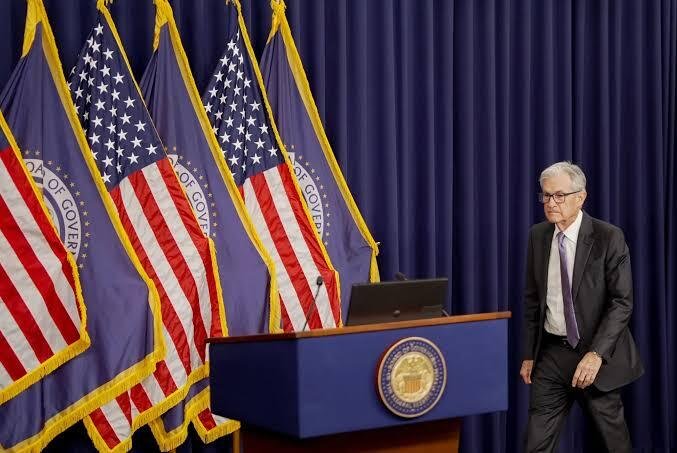
The Federal Reserve’s monetary policy decisions, inflation trends, employment data and corporate earnings will also remain important influences on financial markets.
Political uncertainty may create short-term volatility, but long-term investment decisions will ultimately depend on economic fundamentals, business profitability and the overall direction of US economic growth.
The Worldonomics Times View
The 2026 US midterm election results represent an important turning point for American economic policymaking. The Democratic takeover of both congressional chambers introduces a new political balance that could limit the administration’s legislative flexibility and increase scrutiny of major economic decisions.
In our view, investors should distinguish between political uncertainty and actual economic deterioration. A divided government may slow the introduction of new legislation, but it does not automatically indicate weaker economic fundamentals or an inevitable financial downturn.
Greater congressional oversight could improve transparency and strengthen institutional accountability. At the same time, prolonged political disagreements over budgets, taxation and government funding could create additional uncertainty for businesses and financial markets.
For India and other emerging economies, the changing US political environment reinforces the importance of economic diversification, stronger domestic industries and resilient international trade partnerships.
We believe businesses should avoid making investment decisions based solely on short-term election-related market movements. Instead, they should focus on long-term economic indicators, regulatory developments, technological innovation and changing global demand.
The key message is that political stability and economic predictability are essential foundations of investor confidence. The United States remains one of the world’s most influential economic powers, and decisions taken in Washington will continue to shape international trade, capital flows and financial market sentiment.
Ultimately, the success of the new political environment will depend on whether competing political priorities can be balanced with responsible economic policymaking. For global investors, the priority will remain clear: watch policy developments closely, manage uncertainty carefully and focus on sustainable long-term growth.