Escalating geopolitical tensions, disrupted energy supplies and rising crude oil prices are increasing global inflationary pressures, forcing businesses to reconsider costs and central banks to reassess their monetary policy strategies.
The global economy is facing renewed inflationary challenges as rising oil and energy prices increase production costs, weaken household purchasing power and complicate monetary policy decisions. Persistent geopolitical tensions and disruptions to international energy supplies have pushed commodity prices higher, creating additional pressure on businesses and consumers across major economies.
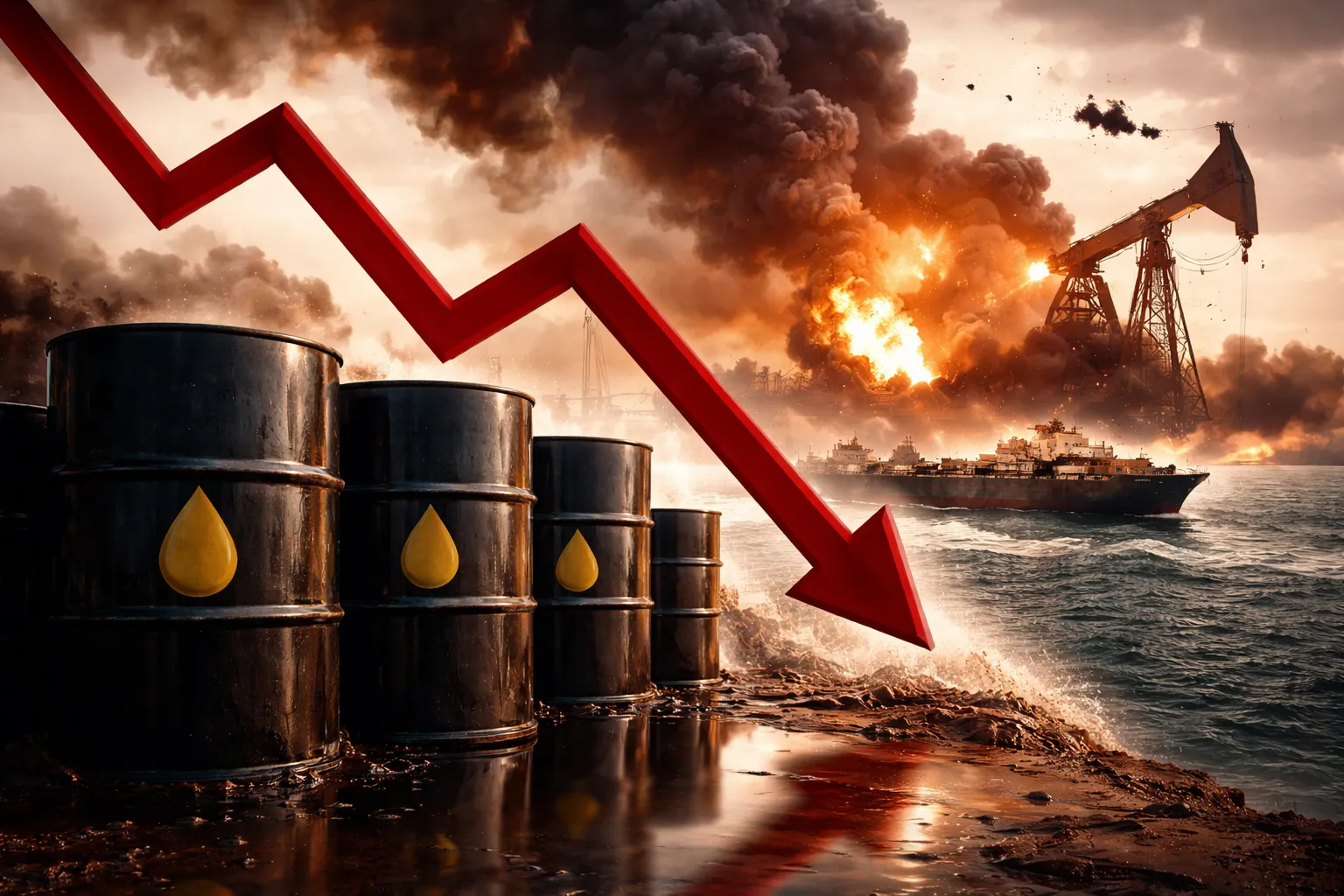
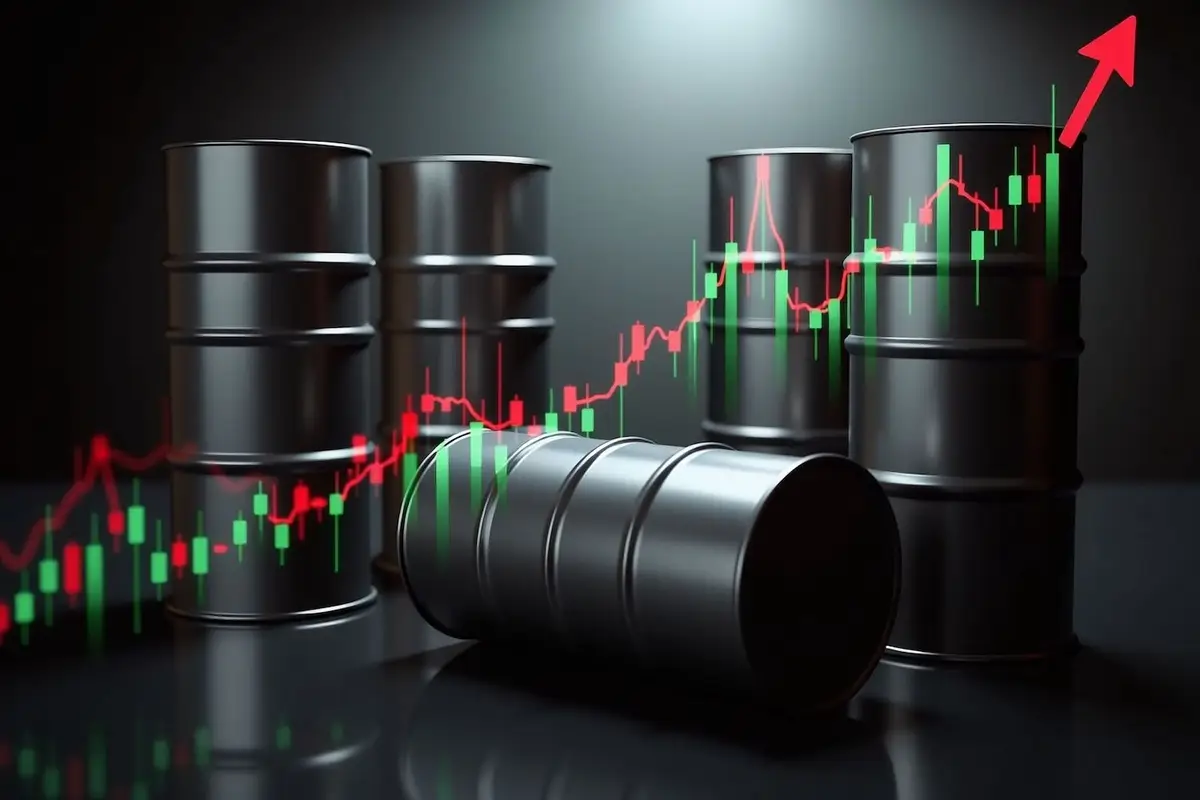
According to the World Bank’s October 2026 Commodity Markets Outlook, global energy prices are projected to increase by 32% in 2026, reversing three consecutive years of declines. Brent crude oil is forecast to average $91 per barrel in 2026, compared with $69 in 2025.
The renewed increase in energy prices highlights the vulnerability of the global economy to supply disruptions and geopolitical developments. While economic activity continues across major markets, higher energy costs are threatening to slow the recovery and make inflation more difficult to control.
Geopolitical Tensions Drive Energy Market Uncertainty
One of the primary factors behind rising energy prices is the ongoing conflict in the Middle East, which has disrupted oil production, transportation and international supply networks.
Concerns surrounding shipping routes, energy infrastructure and the security of supply have increased uncertainty across global commodity markets. The Strait of Hormuz, an important international oil transportation route, remains particularly significant for global energy security.
According to the International Energy Agency’s October 2026 Oil Market Report, global oil inventories have declined considerably, with observed stocks approximately 509 million barrels below pre-conflict levels at the end of September.
The agency also warned that constrained supplies of middle distillates, including diesel, could continue into 2027.
These developments demonstrate that the energy market is facing more than temporary price fluctuations. Continued supply disruptions could maintain upward pressure on crude oil, refined petroleum products and natural gas prices.
Businesses Face Rising Production and Transportation Costs
Higher energy prices are creating significant challenges for businesses across manufacturing, transportation, agriculture and logistics.
Energy is an essential input in almost every major economic sector. When electricity, natural gas, diesel and petroleum prices increase, companies face higher operating expenses.
Manufacturing businesses may experience rising costs for machinery, industrial heating, raw materials and transportation. Airlines face higher aviation fuel expenses, while logistics companies must manage increasing diesel and freight costs.
Agriculture is also vulnerable because fuel, electricity, irrigation and fertiliser production are closely connected to energy markets.
Small and medium-sized enterprises are particularly exposed because they often have limited financial resources to absorb unexpected increases in operating costs.
Companies may respond by raising product prices, reducing profit margins, delaying expansion plans or adjusting production levels.
If these cost increases are passed on to consumers, energy inflation can spread into broader goods and services prices.
Consumers Face Pressure on Household Budgets
For households, rising energy prices translate into higher fuel expenses, electricity bills, transportation costs and potentially more expensive food and essential goods.
Lower-income households are particularly vulnerable because energy and food account for a relatively large proportion of their monthly expenditure.
Higher fuel prices also influence the cost of public transportation, delivery services and everyday consumer products. As businesses pass additional expenses to customers, household purchasing power can weaken.
This creates a difficult economic situation in which families spend more on essential requirements while having less money available for discretionary consumption.
Reduced consumer spending can subsequently affect retail businesses, hospitality, travel and other service industries, creating additional pressure on economic growth.
Central Banks Face a Difficult Inflation Challenge
Rising energy prices have complicated the decisions facing central banks around the world.
Monetary authorities generally use interest rates to control inflation by influencing borrowing, consumption and investment. However, energy-driven inflation is primarily a supply-side problem.
Increasing interest rates cannot directly increase oil production, restore disrupted shipping routes or resolve geopolitical conflicts.
Nevertheless, central banks must prevent temporary energy price increases from becoming persistent inflation through higher wages, broader price increases and changing inflation expectations.
The Bank of England’s November 2026 Monetary Policy Report highlights these concerns. UK consumer price inflation reached 3.5% in September, while the central bank projected that inflation could approach 5% by the middle of 2027 as higher energy costs feed through the economy.
The Bank of England subsequently increased its benchmark interest rate to 4% on November 5, demonstrating the growing difficulty of balancing inflation control with economic growth.
Other central banks are also closely monitoring energy markets, inflation expectations and the potential impact on domestic economic activity.
Emerging Economies Face Greater Vulnerability
Developing economies are particularly exposed to international energy price movements, especially countries that depend heavily on imported crude oil and natural gas.
Higher oil import bills can increase trade deficits, place pressure on foreign exchange reserves and weaken domestic currencies.
India, for example, remains sensitive to fluctuations in international crude oil prices because of its substantial dependence on imported petroleum.
Higher crude prices can influence domestic transportation expenses, manufacturing costs, inflation and the government’s fiscal position.
However, investments in renewable energy, domestic infrastructure, electric mobility and energy efficiency can help reduce long-term dependence on imported fossil fuels.
For emerging economies, strengthening energy security and diversifying supply sources will be essential to maintaining economic stability.
The Road Ahead: Energy Security and Economic Resilience
The future direction of global inflation will depend significantly on how quickly energy supply disruptions ease and whether geopolitical tensions decline.
If oil and gas prices remain elevated, businesses may face prolonged cost pressures, while consumers could experience additional increases in essential expenses.
Governments will need to balance targeted consumer support with fiscal discipline. Investments in renewable energy, electricity infrastructure, storage technologies and alternative fuel sources could reduce exposure to international commodity market volatility.
International cooperation will also remain important in maintaining reliable energy supplies and preventing further disruptions to global trade.
The Worldonomics Times View
The continued rise in global energy prices is a warning that inflation cannot be understood through monetary policy alone. Energy security, geopolitical stability and the resilience of international supply chains are equally important determinants of economic stability.
In our view, the biggest concern is not simply the increase in crude oil prices but the possibility that higher energy costs could become embedded throughout the global economy.
When transportation, electricity, manufacturing and agricultural expenses increase simultaneously, the resulting inflationary pressure can affect almost every household and business.
Central banks must therefore adopt a balanced approach. Aggressive interest rate increases may control broader demand, but they cannot resolve the underlying supply-side problems. Governments must complement monetary policy with practical measures that strengthen domestic energy production, diversify imports and improve infrastructure.
For India and other emerging economies, reducing dependence on imported fossil fuels should become a long-term economic priority. Greater investment in solar power, wind energy, green hydrogen, battery storage and energy-efficient industrial technologies can strengthen national energy security while supporting sustainable development.
We also believe that businesses must prepare for a period of greater energy price volatility by improving operational efficiency, diversifying suppliers and adopting more sustainable production practices.
Our position is clear: energy security is no longer just an environmental objective; it is a fundamental requirement for economic security.
The global economy needs affordable and reliable energy to sustain industrial development, protect household purchasing power and encourage investment. Countries that successfully diversify their energy sources and build resilient supply chains will be better positioned to manage future inflationary shocks.
Ultimately, controlling inflation will require more than adjustments to interest rates. It will demand coordinated economic policies, responsible energy planning and long-term investment in sustainable infrastructure.