China’s producer-price inflation climbed to 5.7% in October, its fastest pace since June 2022. Rising energy, raw-material and industrial input costs are putting fresh pressure on manufacturers, even as weak consumer demand limits the broader pass-through of inflation.
China’s industrial sector is facing a renewed wave of cost pressures after producer-price inflation accelerated sharply in October, highlighting the growing influence of global energy markets and commodity prices on the world’s second-largest economy.
According to data released by China’s National Bureau of Statistics (NBS) on November 9, the Producer Price Index (PPI), which measures prices charged by industrial producers at the factory gate, rose 5.7% year on year in October. This was up from 5.0% in September and represented the fastest annual increase since June 2022. The latest figure also exceeded market expectations.
On a month-on-month basis, producer prices increased by 0.7%, indicating that industrial cost pressures continued to build. Meanwhile, prices paid by industrial producers for purchased inputs rose 7.9% year on year and 1.1% from September, underlining the scale of the pressure facing businesses.
The figures point to an important shift in China’s inflation landscape: after a prolonged period of producer-price weakness, industrial costs are rising rapidly, although the improvement is not yet matched by equally strong consumer demand.
Energy and Raw Materials Drive the Increase
Higher energy prices have been a major contributor to the acceleration. International oil-market volatility and geopolitical tensions in the Middle East have pushed up the cost of fuel and energy-intensive industrial production.
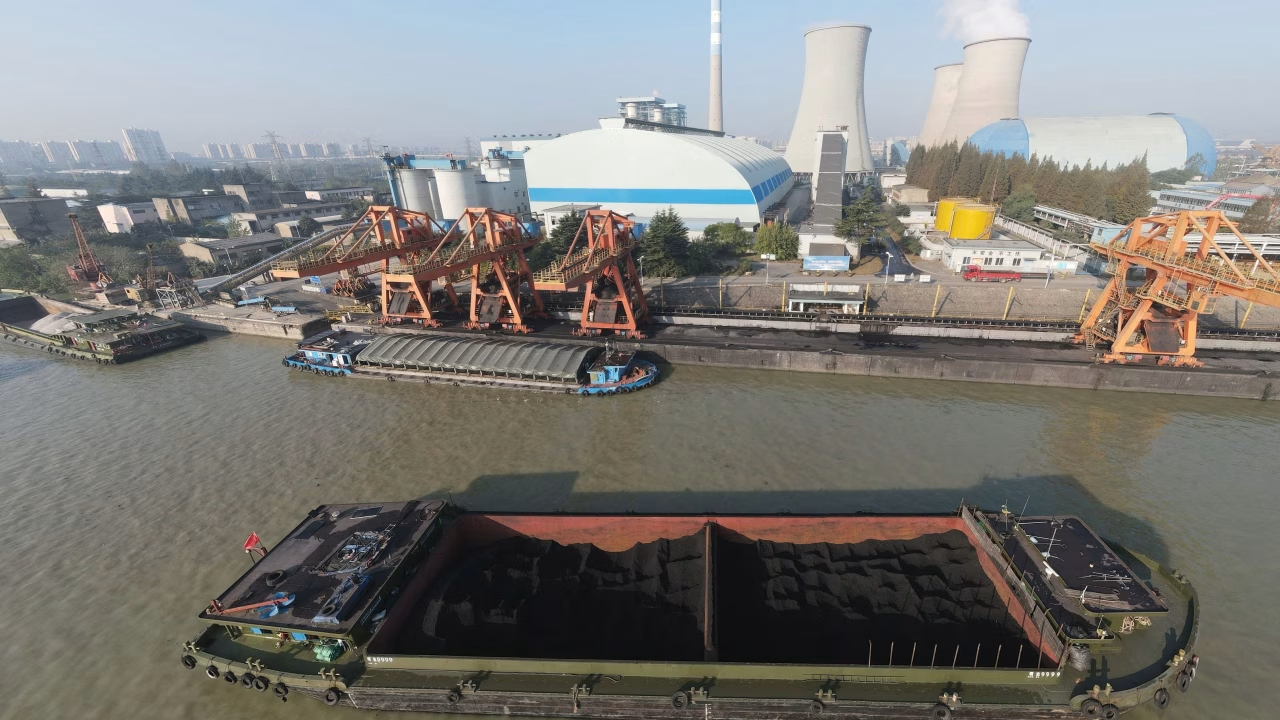
Official data show that prices in coal mining and washing increased 36.6% year on year in October, while oil and natural gas extraction prices rose 35%. Prices in petroleum, coal and other fuel processing increased 29.9%.
The pressure is also visible in industrial input costs. Fuel and power purchase prices rose 18.6% year on year, while chemical raw-material prices increased 16.8%. These increases affect a wide range of industries, including chemicals, transportation, plastics, manufacturing and construction.
Higher costs for metals and other industrial materials are adding to the challenge. Although individual sectors are experiencing different price movements, the overall trend suggests that businesses are paying considerably more for essential production inputs.
The acceleration follows a strong increase in September, when producer prices rose 5.0% annually. The latest figures suggest that the upward momentum has continued rather than being limited to a temporary monthly fluctuation.
Manufacturers Face a Difficult Cost Environment
Rising producer prices can have mixed consequences for industrial companies. Businesses operating in sectors with strong demand may be able to pass higher costs on to customers, protecting their profit margins. However, manufacturers facing intense competition and weak orders may have little room to increase selling prices.
This creates a difficult situation for smaller producers and companies operating in traditional manufacturing industries. Higher spending on fuel, electricity, chemicals and raw materials can reduce profitability, restrict investment and put pressure on cash flow.
China’s industrial economy is also undergoing structural changes. Demand associated with artificial intelligence, advanced manufacturing, electric vehicles and energy infrastructure is creating opportunities for selected industries. However, these areas of growth do not necessarily compensate for weaker conditions across the wider manufacturing sector.
The distinction between rising input costs and stronger underlying demand is therefore important. Producer inflation driven primarily by more expensive commodities does not automatically indicate a broad-based improvement in industrial activity.
Consumer Inflation Remains Relatively Weak
Despite the sharp rise in factory-gate prices, consumer inflation remains comparatively subdued.
China’s Consumer Price Index (CPI) increased by 0.7% year on year in October, slowing from 0.9% in September. Core inflation, which excludes food and energy, also moderated to 0.8% from 1.0%.
The difference between producer and consumer inflation highlights a continuing challenge for China’s economy. Manufacturers are paying more for production inputs, but households are not necessarily spending enough to support widespread increases in retail prices.
This limits the ability of businesses to transfer higher costs to consumers. Companies may instead absorb part of the increase, potentially squeezing margins. If cost pressures persist, the result could be weaker investment, more cautious hiring and additional pressure on already competitive industries.
Reuters reported that analysts expect higher energy costs to remain an inflationary influence in the coming months, although the impact could ease if global supply conditions improve.
Implications for China and the Global Economy
China occupies a central position in global manufacturing and international supply chains. Changes in its industrial price environment can therefore influence production costs, commodity demand and trade prices worldwide.
Higher Chinese producer prices could eventually contribute to increased prices for manufactured goods in international markets, particularly if manufacturers succeed in passing on their additional costs. Importers and businesses dependent on Chinese industrial supplies may need to prepare for a less favourable cost environment.
However, the global impact will depend on how long energy and raw-material prices remain elevated, as well as the strength of demand in China and its major export markets.
For policymakers in Beijing, the latest figures present a delicate balancing act. Rising industrial prices may help ease concerns about prolonged producer-price deflation, but cost-driven inflation is not a substitute for stronger domestic consumption and sustainable business investment.
The Worldonomics Times View
China’s October producer inflation figures should be viewed as both a sign of changing industrial conditions and a warning about the risks of cost-driven economic pressure.
The return of stronger producer-price growth may provide some relief to industries that have struggled with falling selling prices and intense competition. Nevertheless, the rapid increase in energy and raw-material costs raises concerns about manufacturing profitability, particularly among businesses that lack sufficient pricing power.
The more significant issue is the gap between industrial inflation and consumer demand. A sustainable economic recovery requires more than rising factory-gate prices. It requires stronger household spending, healthier business confidence, improved investment and a more balanced relationship between supply and demand.
China’s policymakers should therefore focus on strengthening domestic consumption while helping businesses manage volatile input costs. Targeted support for productive investment, improved household confidence and measures that encourage sustainable industrial competition could provide a stronger foundation for recovery.
For the international economy, China’s inflation figures are an important reminder that geopolitical developments and energy-market disruptions can quickly influence manufacturing costs across borders. The coming months will show whether October marks the beginning of a sustained industrial price recovery or another temporary phase of commodity-driven inflation.
The Worldonomics Times believes that China’s economic resilience will depend not simply on higher industrial prices, but on whether rising production costs are accompanied by stronger domestic demand and sustainable growth.