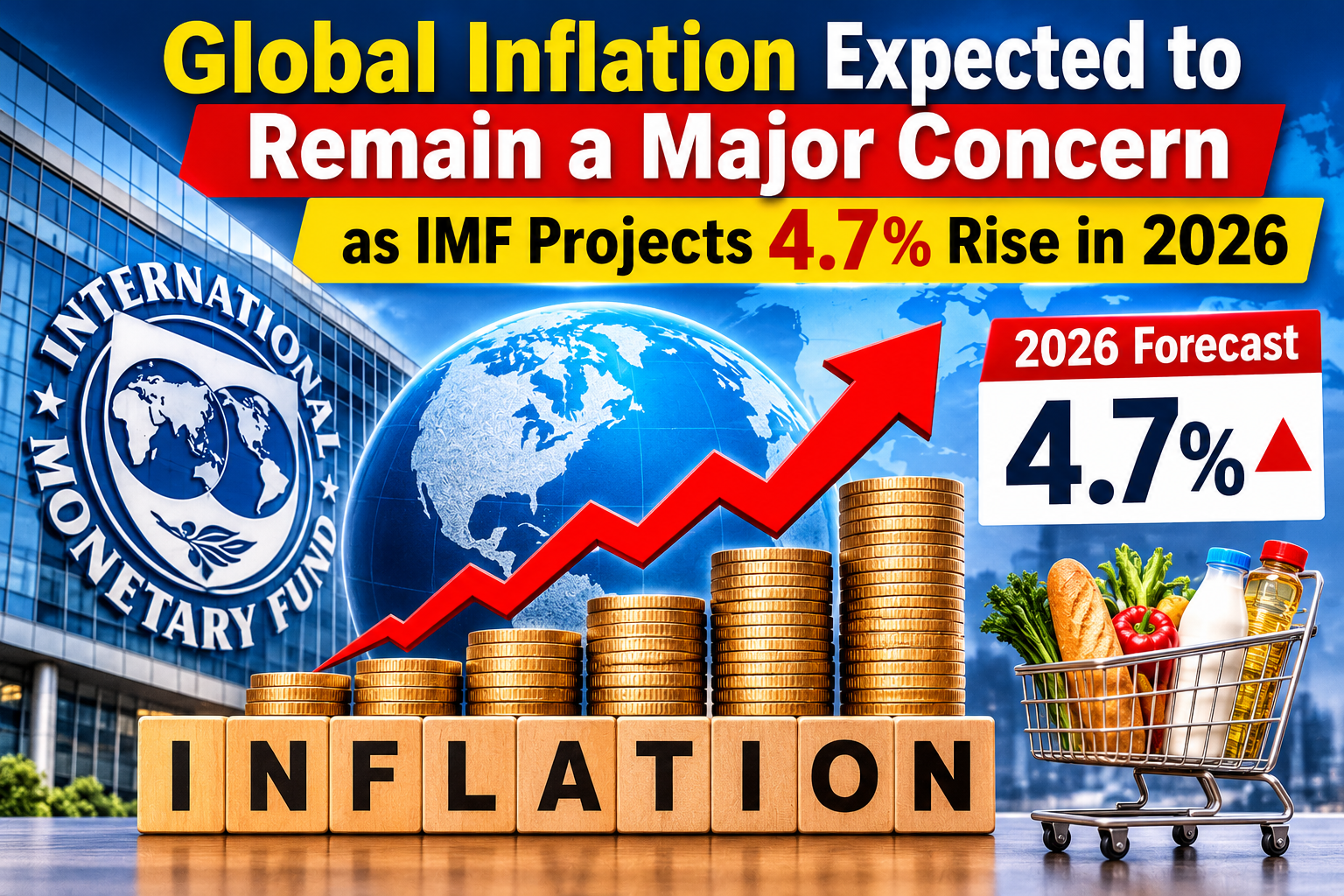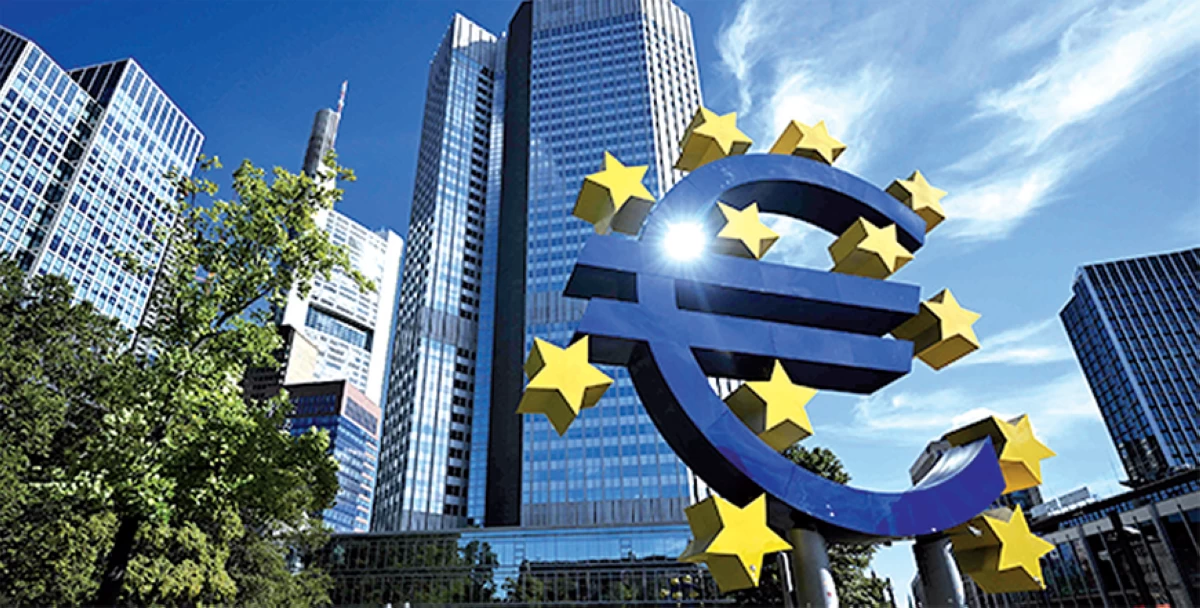
Eurozone inflation accelerated to 4% in October 2026, reaching its highest level in more than three years. Rising energy prices, higher food costs and geopolitical uncertainty are increasing pressure on European households and businesses while creating fresh challenges for the European Central Bank’s monetary policy.
The European economy is facing renewed inflationary pressure as rising energy costs and international instability affect prices across the region. After a period of gradual improvement, inflation has accelerated, raising concerns about the cost of living, consumer purchasing power and the outlook for economic growth.
According to Eurostat’s preliminary estimate released on 4 November 2026, annual inflation in the euro area increased to 4% in October, compared with 3.8% in September. This represents the highest level since September 2023 and is twice the European Central Bank’s (ECB) medium-term inflation target of 2%.
The latest figures highlight the difficulty of maintaining price stability while supporting economic activity in an environment affected by energy-market disruptions, geopolitical tensions and uncertain international trade conditions.
Energy Prices Become the Main Inflation Driver
Energy prices are currently the strongest contributor to rising eurozone inflation.
Eurostat reported that annual energy inflation reached 20.8% in October, compared with 18.9% in September. Energy prices also increased by 1.4% compared with the previous month.
The increase reflects the impact of geopolitical tensions and disruptions affecting international energy markets. Higher oil and natural gas prices have raised costs for electricity generation, transportation and industrial production.
European economies are particularly sensitive to energy-market volatility because many countries depend on imported energy resources. When international prices increase, households face higher utility and fuel bills, while manufacturers must manage additional production expenses.
These pressures can spread throughout the economy as businesses adjust their prices to compensate for higher operating costs.
Food Prices Add to Household Financial Pressure
Food inflation is another concern for European consumers.
Eurostat’s October flash estimate showed that inflation in food, alcohol and tobacco increased to 1.6%, compared with 1.3% in September. Unprocessed food prices recorded particularly strong annual growth of 4.6%.
Rising food costs can have a significant effect on household budgets, particularly for lower-income families that spend a larger share of their earnings on essential goods.
Agricultural production is also exposed to higher fuel, fertiliser, transportation and energy expenses. Weather conditions and international supply-chain disruptions can further influence food availability and prices.
Although overall food inflation remains lower than energy inflation, continued increases could weaken consumer confidence and reduce spending on non-essential goods and services.
Core Inflation Remains Relatively Stable
Despite the increase in headline inflation, underlying price pressures have not accelerated at the same pace.
Eurostat reported that core inflation, which excludes energy, food, alcohol and tobacco, remained unchanged at 2.5% in October.
Services inflation increased slightly to 3.3%, while non-energy industrial goods inflation reached 1.2%.
The difference between headline and core inflation suggests that the latest increase is being driven largely by energy-market developments rather than a broad acceleration across every category.
However, policymakers remain concerned that prolonged increases in energy prices could eventually influence transportation costs, wages, business pricing decisions and inflation expectations.
If these indirect effects become widespread, inflation could remain elevated for longer than anticipated.
European Central Bank Faces Difficult Policy Decisions
The latest inflation figures create additional pressure on the European Central Bank.
The ECB must balance its commitment to price stability against the risk that higher borrowing costs could weaken economic activity.
At its October 2026 policy meeting, the central bank maintained its deposit facility rate at 2.50%. However, the acceleration in inflation has increased expectations of further monetary tightening.
Raising interest rates could help contain inflation expectations and reduce demand-driven price pressures. However, higher borrowing costs may also discourage business investment, increase mortgage expenses and weaken household consumption.
The challenge is particularly complicated because the current inflation increase is largely connected to energy supply costs. Monetary policy cannot directly reduce international oil prices or restore disrupted energy supplies.
The ECB must therefore assess whether the energy shock is temporary or likely to become embedded in broader domestic inflation.
Economic Growth Faces Additional Challenges
Higher inflation can affect the eurozone economy through several channels.
Households may reduce discretionary spending as more income is directed towards electricity, fuel and food. Businesses may postpone expansion plans because of higher production expenses and uncertain consumer demand.
Manufacturing industries, transportation companies and energy-intensive businesses are particularly exposed to rising operating costs.
If central banks respond with additional interest-rate increases, the resulting tightening of financial conditions could further slow investment and economic activity.
European governments also face difficult decisions about providing assistance to households and businesses without creating excessive pressure on public finances.
Investment in renewable energy, electricity infrastructure and diversified energy supplies could help reduce long-term exposure to international price shocks.
The Worldonomics Times View
The Worldonomics Times believes that the latest rise in eurozone inflation highlights the continuing vulnerability of the European economy to external energy and geopolitical shocks.
The increase to 4% is a warning that price stability cannot be taken for granted, even after periods of declining inflation. Although core inflation remains relatively stable, persistent energy-price increases could gradually spread into other sectors and create more lasting economic pressure.
The European Central Bank must adopt a cautious and evidence-based approach. Monetary tightening may be necessary if inflation expectations become entrenched, but policymakers should recognise that excessive interest-rate increases could weaken an already vulnerable economic recovery.
European governments should complement monetary policy with targeted support for vulnerable households, improved energy efficiency and investment in renewable energy infrastructure. Reducing dependence on unstable international energy supplies should remain a long-term strategic priority.
Businesses must also focus on operational efficiency, supply-chain diversification and responsible financial planning to manage rising costs.
Ultimately, Europe’s economic stability will depend on its ability to control inflation while maintaining investment, industrial competitiveness and household purchasing power. The latest inflation figures demonstrate that achieving this balance will remain one of the region’s most important economic challenges.