India’s international trade framework relies heavily on an effective customs duty structure to regulate imports, protect domestic industries and generate government revenue. Among the various components of customs taxation, Basic Customs Duty (BCD) holds a significant position. The rate of BCD applicable to imported goods is primarily determined by their correct classification under the Harmonised System of Nomenclature (HSN) and the Indian Customs Tariff.
For importers, exporters, manufacturers and tax professionals, understanding the relationship between customs classification and BCD is essential for accurate duty assessment, cost management and regulatory compliance.
1. What is Basic Customs Duty (BCD)?
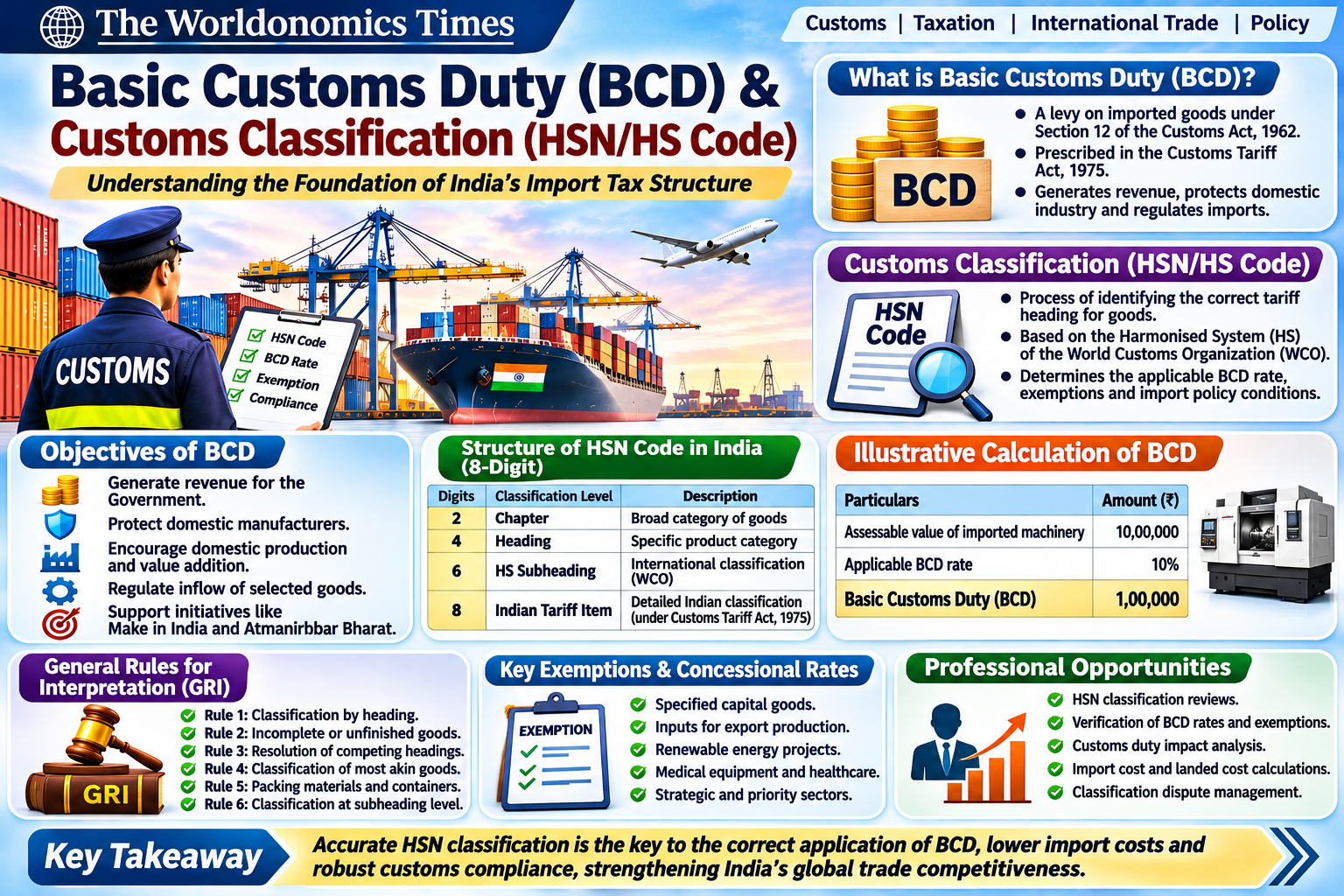
Basic Customs Duty is a levy imposed on goods imported into India under Section 12 of the Customs Act, 1962, read with the Customs Tariff Act, 1975.
The applicable tariff rates are prescribed under the First Schedule to the Customs Tariff Act, 1975. However, the effective rate may be lower than the tariff rate where an exemption or concessional rate is available under the relevant customs notification.
BCD serves several important economic and policy objectives:
- Generates revenue for the Central Government.
- Protects domestic manufacturers against unfair import competition.
- Encourages domestic production and value addition.
- Regulates the inflow of selected imported products.
- Supports the objectives of Make in India and Atmanirbhar Bharat.
The government periodically reviews customs duty rates through Union Budgets and other notifications to address changing economic priorities and international trade requirements.
2. Customs Classification: The Basis for Determining BCD
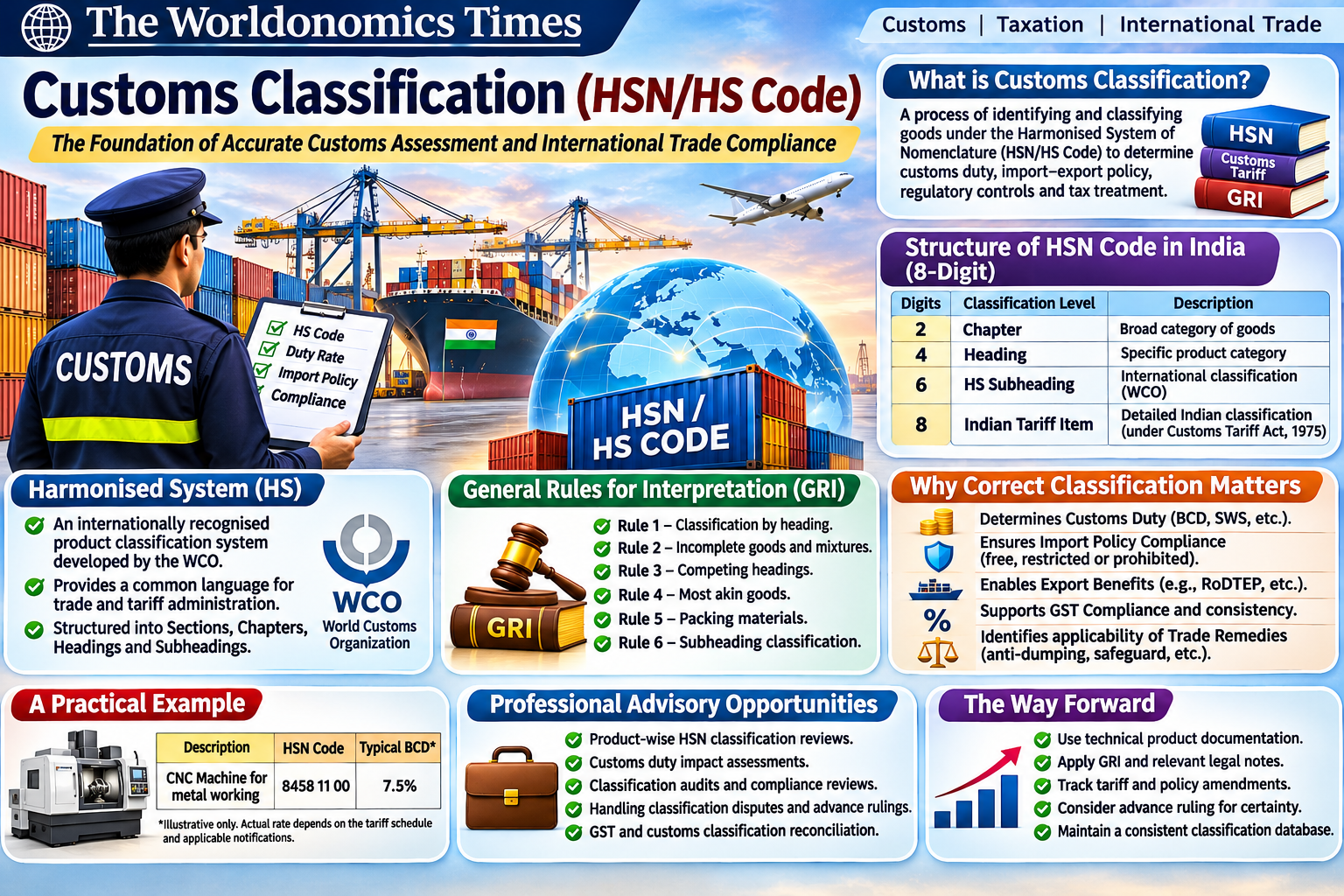
Customs classification is the process of identifying the appropriate tariff heading and subheading for imported goods under the Indian Customs Tariff.
India follows the Harmonised Commodity Description and Coding System developed by the World Customs Organization (WCO). The international HS system provides classification up to six digits, while India extends it to eight digits for detailed national tariff classification.
The eight-digit classification structure is as follows:
| Digits | Classification |
|---|---|
| First two digits | Chapter |
| First four digits | Heading |
| First six digits | HS Subheading |
| Eight digits | Indian Customs Tariff Item |
Correct classification is essential because different tariff items may attract different BCD rates, exemption benefits and import policy conditions.
3. Legal Framework and General Rules of Interpretation
The Customs Tariff Act, 1975, contains the General Rules for Interpretation (GRI), which establish the legal principles for classifying goods.
The principal rules include:
- Rule 1: Classification according to heading descriptions and relevant Section and Chapter Notes.
- Rule 2: Classification of incomplete, unfinished, unassembled goods and certain mixtures.
- Rule 3: Resolution of competing tariff headings using the prescribed principles.
- Rule 4: Classification under the heading most akin to the goods.
- Rule 5: Classification of certain containers and packing materials.
- Rule 6: Classification at the subheading level.
Importers should not select a tariff code merely because it appears on a supplier invoice or commercial catalogue. Product composition, function, technical specifications and applicable legal notes must be examined before determining the correct classification.
4. Calculation of Basic Customs Duty
BCD is generally calculated on the assessable value of imported goods, subject to the applicable tariff structure and notifications.
Illustrative example:
Assume an Indian company imports machinery with the following particulars:
| Particulars | Amount |
|---|---|
| Assessable value | ₹10,00,000 |
| Applicable BCD rate | 10% |
| Basic Customs Duty | ₹1,00,000 |
Therefore:
BCD = ₹10,00,000 × 10% = ₹1,00,000
The above example assumes an ad valorem rate and no exemption or preferential rate.
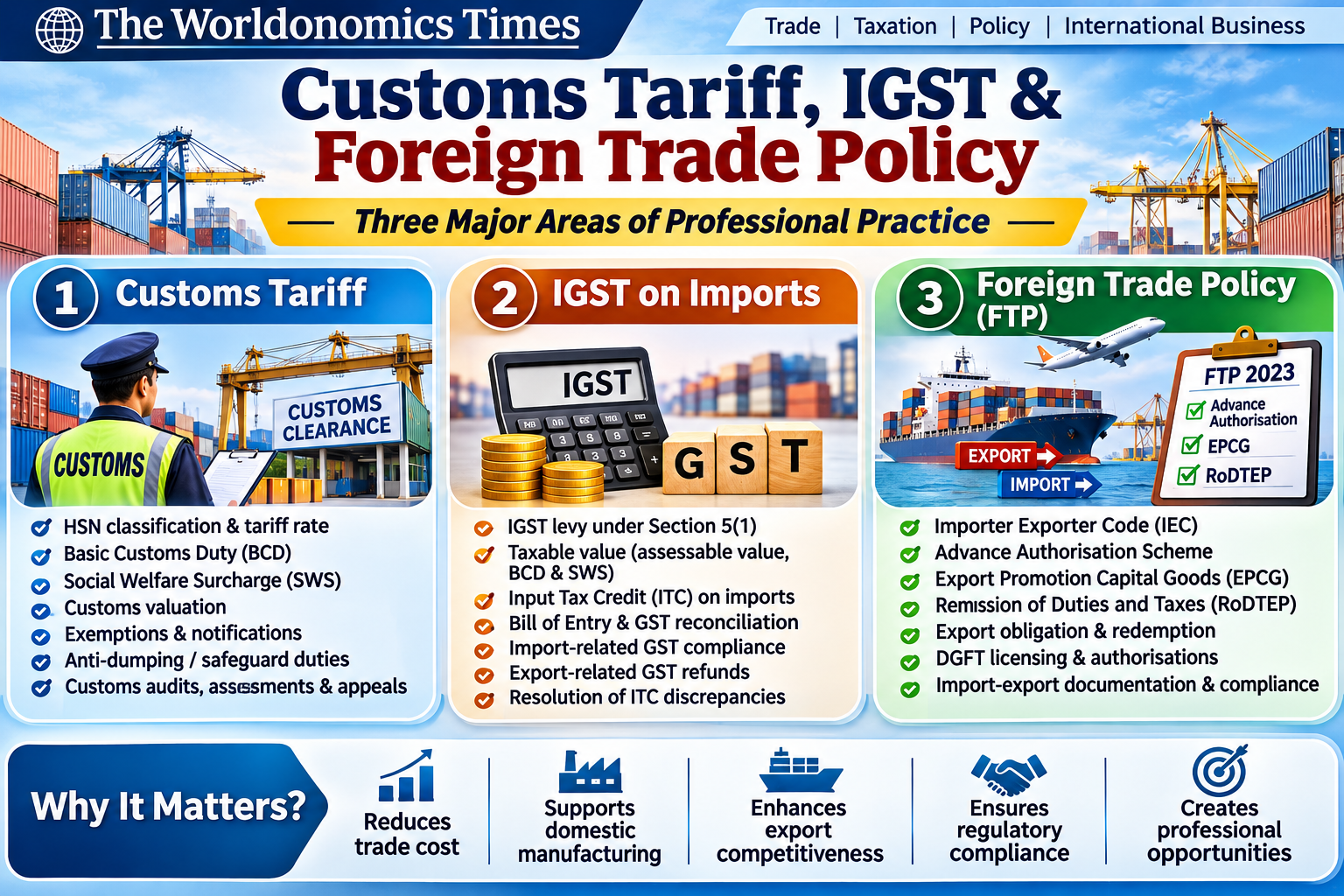
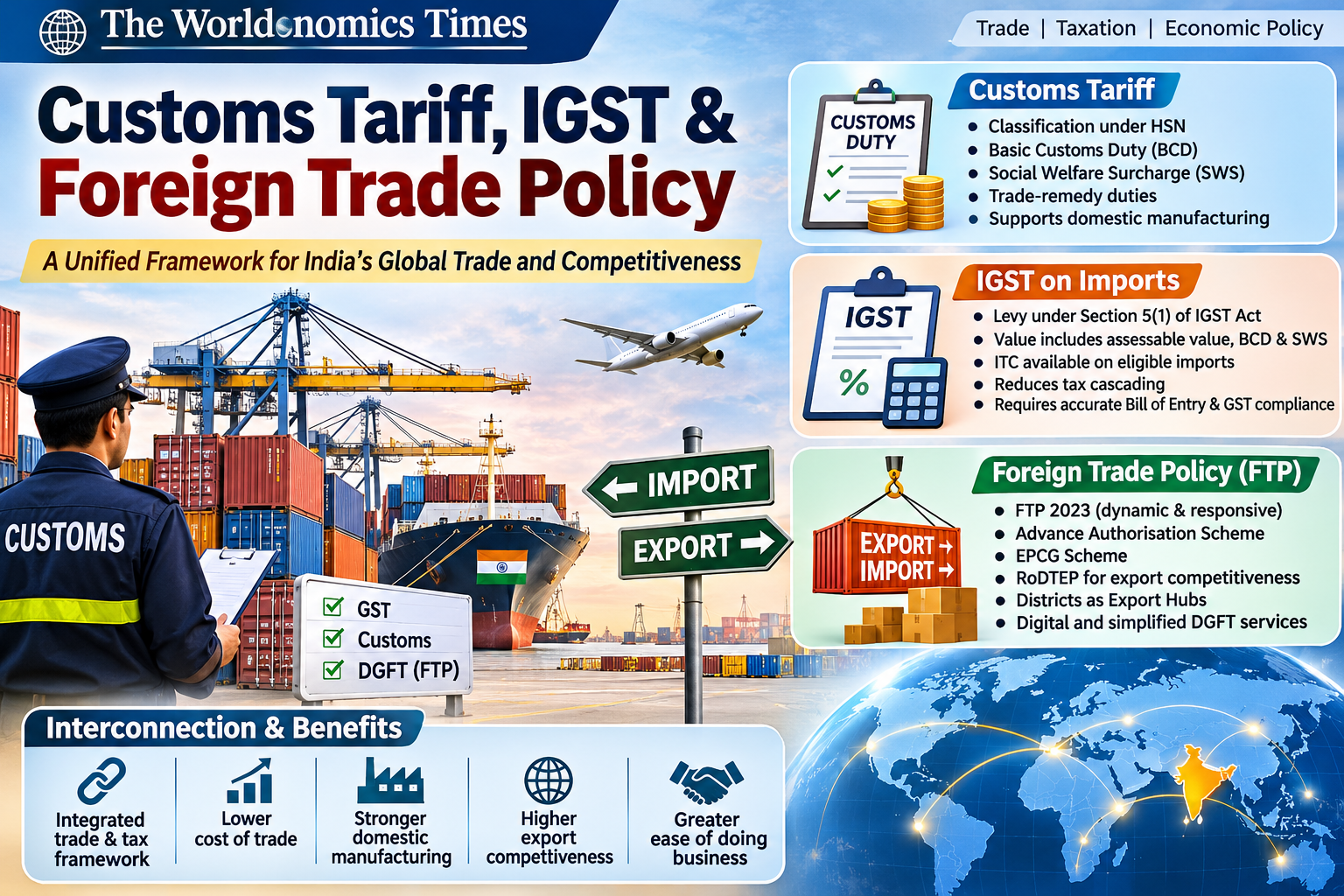
BCD is one component of the overall import tax liability. Other applicable levies may include Social Welfare Surcharge (SWS), Agriculture Infrastructure and Development Cess (AIDC), IGST and trade-remedy duties, depending on the goods and applicable notifications.
5. Importance of BCD Exemptions and Concessional Rates
The Central Government may grant full or partial exemptions from BCD under Section 25 of the Customs Act, 1962, through relevant notifications.
Such exemptions may support:
- Import of specified capital goods.
- Domestic manufacturing and industrial development.
- Renewable energy projects.
- Medical equipment and healthcare infrastructure.
- Specified inputs used in export production.
- Strategic sectors and priority industries.
Importers must carefully examine notification conditions, eligible tariff classifications, country-of-origin requirements and end-use restrictions before claiming any exemption.
An incorrect exemption claim may result in differential duty demands, interest, penalties and litigation.
6. Practical and Professional Implications
The relationship between HSN classification and BCD creates important opportunities for professional advisory services.
Cost Accountants, Chartered Accountants and customs consultants can assist businesses through:
- Product-wise customs classification reviews.
- Verification of applicable BCD rates.
- Customs duty impact analysis.
- Examination of exemption notifications.
- Import cost and landed cost calculations.
- Customs audit and compliance reviews.
- Classification dispute management.
- Assessment of preferential duty benefits under trade agreements.
A systematic review of imported goods can help businesses avoid incorrect duty payments, identify eligible concessions and improve procurement cost efficiency.
7. Challenges and the Way Forward
Frequent tariff amendments, complex product descriptions, technological developments and classification disputes continue to create challenges for importers.
Businesses should maintain updated HSN databases, technical product documentation and notification records. They should also periodically review the classification and duty structure of frequently imported products.
Digital platforms such as ICEGATE provide useful facilities for checking tariff descriptions, applicable duties and import policy information. Professional advice may also be appropriate in cases involving complex classification issues.
Conclusion
Basic Customs Duty and Customs Classification are closely interconnected components of India’s international trade taxation framework. While BCD determines an important part of the import tax burden, correct HSN classification establishes the applicable tariff treatment and regulatory requirements.