By The Worldonomics Times
The global economy is showing signs of continued expansion, supported by improving manufacturing output, resilient services activity and investment in technology. Several major economies have recorded stronger business activity, suggesting that economic momentum remains intact despite inflationary pressures, high energy costs and changing trade conditions. However, the recovery remains uneven, with geopolitical tensions and policy uncertainty continuing to influence business confidence and growth prospects.
Recent economic indicators point to a world economy that is adapting to repeated shocks rather than moving into a uniform recovery. While some countries are benefiting from stronger industrial production and technology-related demand, others continue to face weak consumption, rising costs and external financial pressures.
Manufacturing Activity Supports Global Expansion
Manufacturing has emerged as an important source of support for global economic activity. Purchasing Managers’ Index (PMI) surveys for October 2026 indicate that factory output continued to rise globally, although performance differed considerably between countries and industries.
According to S&P Global, manufacturing growth remained robust, with 20 of the 33 economies tracked reporting higher output in October. Technology-focused Asian economies, northern European manufacturers and the United States benefited from demand linked to artificial intelligence infrastructure, electronics and defence-related investment. India, Thailand and Indonesia were among the stronger-performing manufacturing economies in Asia.
The United States also recorded an improvement in factory production. Manufacturing output increased by 0.3% in October, supported by motor vehicles and industries connected to AI infrastructure. Semiconductor and related electronic-component production rose 2.2% during the month, indicating continued demand for advanced technology products.
However, the expansion is not universal. Some commodity-dependent economies and lower-value manufacturing industries continue to face pressure from energy prices, supply-chain disruptions and trade barriers. This uneven performance highlights the importance of competitiveness, technology investment and reliable access to essential inputs.
Services Sector Provides Additional Momentum
The services sector remains another important pillar of global growth. Financial services, tourism, transportation, information technology, healthcare and business services continue to contribute to economic activity across several regions.
Services businesses have generally benefited from digital adoption, consumer demand and the expansion of technology-related activities. The growing use of artificial intelligence, cloud computing and digital platforms is also creating new opportunities for productivity improvements and investment.
Nevertheless, services activity faces challenges. Higher operating expenses, wage pressures and uncertainty about future demand can affect business expansion and hiring decisions. In economies where households are struggling with higher living costs, discretionary spending on travel, hospitality and other services may also weaken.
The strength of services is therefore important not only for current economic output but also for employment, household incomes and consumer confidence.
Geopolitical Uncertainty Remains a Major Risk
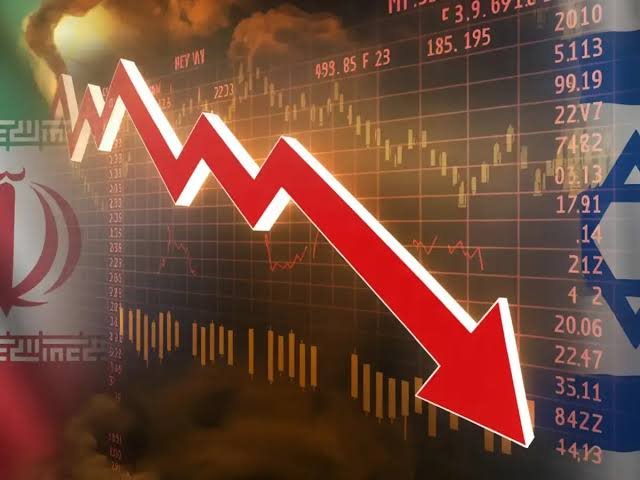
Despite encouraging activity indicators, geopolitical developments continue to create uncertainty for businesses and investors. Conflicts in the Middle East, tensions involving major trading economies and changes in international trade policies can disrupt supply chains, increase transportation costs and affect energy markets.
The International Monetary Fund’s October 2026 World Economic Outlook describes the global economy as resilient but uneven. It projects global growth of 3.1% in 2026 and 3.4% in 2027. The IMF also warns that prolonged geopolitical tensions, higher commodity prices and further trade fragmentation could weaken confidence and reduce investment.
The OECD’s September 2026 Interim Economic Outlook similarly projects global growth of 2.9% in 2026 and 3.0% in 2027. It identifies persistent inflation, energy-market uncertainty and financial vulnerabilities as important risks to the outlook.
These projections underline a central challenge for policymakers: maintaining economic expansion while managing inflation and protecting businesses from external shocks.
Regional Growth Trends Remain Uneven
The United States continues to benefit from investment in technology, manufacturing and AI infrastructure, although higher costs and uncertainty over trade policy remain concerns. Europe has shown resilience in parts of its manufacturing sector, but energy costs and differences in national economic performance continue to influence the region’s outlook.
Asia remains an important centre of global economic activity. Several economies are benefiting from electronics production, technology investment and regional trade. However, differences in domestic demand, export exposure and access to energy mean that growth prospects vary considerably across the region.
China’s economic performance remains particularly important because of its influence on international manufacturing, commodity demand and trade flows. Changes in Chinese industrial activity can affect suppliers and exporters across Asia, Europe and other emerging markets.
India’s Position in the Global Growth Outlook
India is well positioned to benefit from the continued expansion of manufacturing and services. Its large domestic market, digital infrastructure, expanding services industry and growing manufacturing capabilities provide important sources of economic resilience.
October manufacturing PMI trends placed India among the stronger-performing major emerging economies, reflecting continued factory expansion and demand in selected industrial segments.
The services sector also offers opportunities through information technology, financial services, business-process management, tourism and digital commerce. Government initiatives supporting infrastructure, manufacturing, logistics and technology adoption could strengthen India’s role in global supply chains.
However, India is not insulated from international pressures. Higher crude oil prices can increase import costs and inflation, while disruptions to shipping routes and global trade can affect exporters and manufacturers. Maintaining stable inflation, improving logistics and encouraging private investment will remain important for sustaining growth.
The Worldonomics Times View
The global economic outlook presents a combination of opportunity and uncertainty. Expanding manufacturing and services activity suggests that the world economy retains considerable momentum, supported by technology investment, industrial demand and resilient business activity.
However, headline growth figures can conceal significant differences between countries and sectors. Geopolitical tensions, energy-market disruptions, inflation and trade uncertainty could quickly affect business confidence and investment decisions.
Governments and central banks will need to balance growth-supporting policies with price stability and financial discipline. Businesses, meanwhile, will benefit from diversifying supply chains, investing in technology and improving operational efficiency.
The coming months will test whether the current expansion can develop into more balanced and sustainable growth. The global economy has demonstrated resilience, but maintaining that resilience will require international cooperation, predictable economic policies and continued investment in productivity.