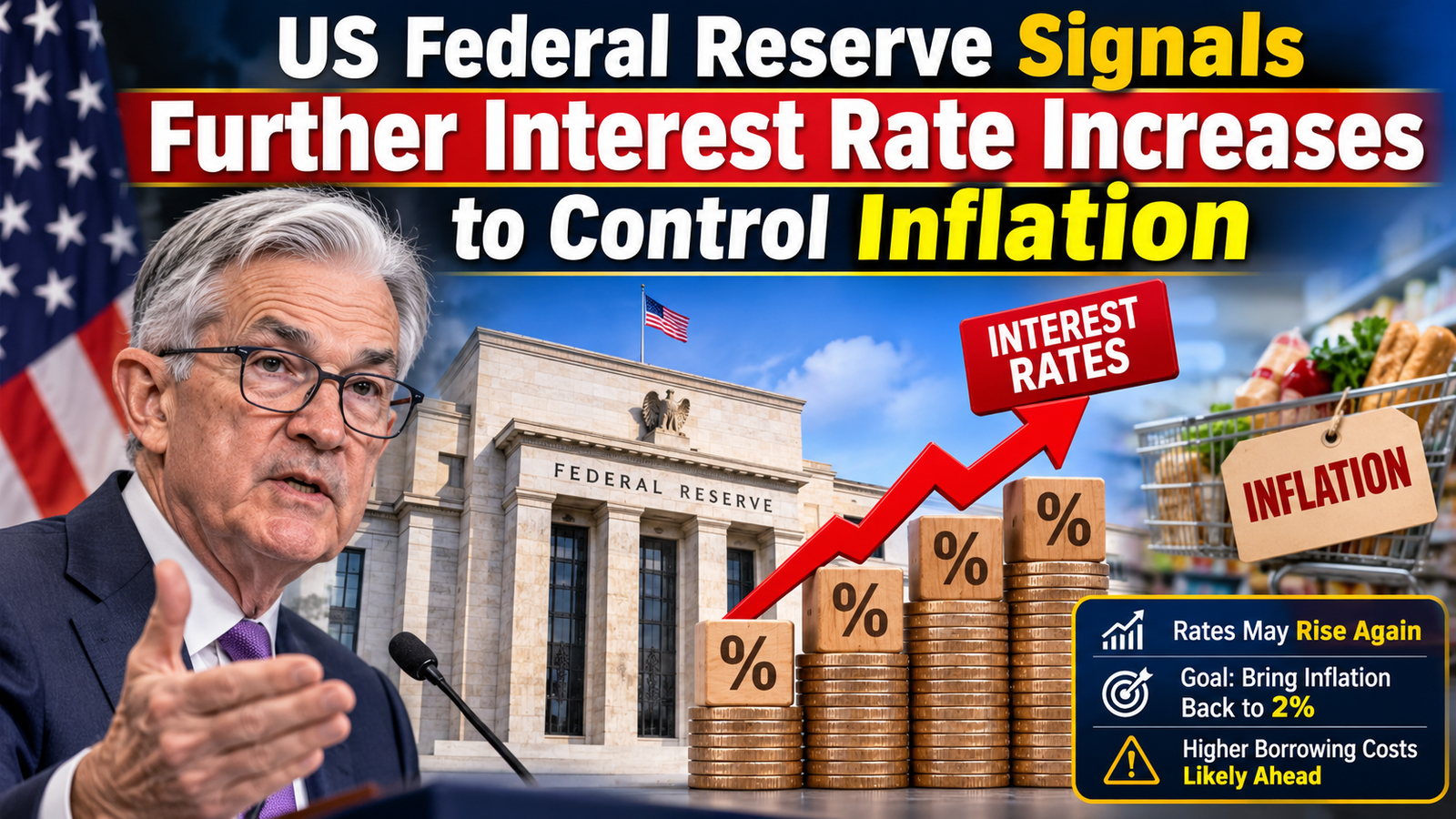
The global banking sector is entering a period of significant transformation as financial institutions respond to changing credit conditions, evolving regulations, technological disruption and heightened economic uncertainty. Banks remain central to the global economy, supporting businesses, financing infrastructure, facilitating international trade and providing essential financial services to households. However, the environment in which they operate is becoming increasingly complex, requiring stronger risk management, greater financial resilience and continuous adaptation.
As economies adjust to changing interest rates, inflation trends and geopolitical developments, banks must balance lending opportunities with the need to maintain healthy balance sheets. Their ability to manage these challenges will play an important role in determining the stability and direction of the global financial system.
Changing Credit Conditions and Lending Activity
Credit conditions remain one of the most important factors shaping the banking industry’s outlook. Interest-rate movements directly influence borrowing costs, loan demand and the profitability of financial institutions. When interest rates remain elevated, households may reduce borrowing for homes and other major purchases, while businesses may postpone expansion plans because of higher financing expenses.
Banks are also becoming more cautious about lending to borrowers facing uncertain economic conditions. Businesses exposed to higher energy costs, international trade disruptions and weaker consumer demand may experience pressure on their cash flows. This can increase the possibility of delayed repayments and loan defaults.
The European Central Bank’s November 2026 Financial Stability Review highlights tighter financing conditions for euro-area companies, with banks reporting increased risk concerns and more restrictive lending standards. Smaller businesses, which often depend heavily on bank financing, may be particularly affected.
At the same time, financial institutions are closely monitoring commercial real estate, corporate debt and household lending portfolios. Refinancing loans at higher interest rates can create additional pressure for borrowers, particularly where property values or business revenues have weakened. These developments make careful credit assessment and early identification of financial stress increasingly important.
Financial Stability and Capital Strength
Despite economic uncertainty, the global banking system has maintained important financial buffers. Strong capital positions and liquidity management have helped many institutions withstand changing market conditions.
According to the Basel Committee’s September 2026 monitoring exercise, the average Liquidity Coverage Ratio for large internationally active banks stood at 136.6%, while the average Net Stable Funding Ratio was 123.3% at the end of 2025. Both measures remained above the minimum regulatory requirement of 100%. These indicators underline the importance of maintaining sufficient liquid assets and stable funding sources.
However, strong sector-wide indicators do not mean every institution is equally protected. Smaller banks, lenders with concentrated loan portfolios and institutions heavily dependent on unstable funding may face greater pressure during periods of market stress.
Banks must therefore continue strengthening capital reserves, monitoring asset quality and conducting stress tests to understand how their balance sheets might respond to severe economic or financial shocks.
Regulatory Developments and Basel III
Banking regulation remains a major influence on the industry’s future. International standards such as Basel III aim to improve the resilience of financial institutions by establishing requirements for capital adequacy, liquidity, leverage and risk management.
Implementation is progressing across major financial markets. The Basel Committee reported in October 2026 that three-quarters of its 27 member jurisdictions had published regulations implementing the full set of Basel III standards. Almost all member jurisdictions had announced implementation by April 2027 or earlier.
These requirements are designed to reduce excessive risk-taking and strengthen confidence in the international banking system. However, banks must also manage the operational and financial costs associated with regulatory compliance. Smaller institutions may find it particularly challenging to invest in reporting systems, risk models and specialised compliance teams.
Regulators are also examining areas where existing frameworks may need updating. At its November 2026 meeting, the Basel Committee discussed interest-rate risk, connections between banks and non-bank financial institutions, and financing linked to data centres and artificial intelligence. It also agreed to consult on targeted updates to liquidity-risk management principles.
Technology, Cybersecurity and Digital Banking
Digital transformation is reshaping how financial institutions operate. Mobile banking, cloud computing, artificial intelligence and automated payment systems are helping banks improve customer experiences, reduce processing times and manage operations more efficiently.
Artificial intelligence is increasingly being used for fraud detection, customer service, credit assessment and risk monitoring. However, greater reliance on technology also creates new vulnerabilities. Cyberattacks, data breaches, digital fraud and disruptions involving external technology providers can affect customer confidence and operational stability.
The Basel Committee has identified information security and dependence on third-party service providers as continuing supervisory priorities. Banks will need to strengthen cybersecurity infrastructure, establish effective incident-response procedures and ensure that critical services can continue during technology disruptions.
Growing Connections with Non-Bank Financial Institutions
Another important development is the increasing relationship between traditional banks and non-bank financial institutions, including private credit funds, investment firms and other financial intermediaries.
These institutions provide alternative sources of financing and investment opportunities. However, their growing connections with banks can create channels through which financial stress spreads across the wider system.
The International Monetary Fund’s October 2026 Global Financial Stability Report highlights concerns surrounding private-credit leverage, liquidity mismatches and potential spillovers to banks. Greater transparency and improved monitoring of interconnected exposures will be essential to limiting these risks.
The Worldonomics Times View
The global banking sector is entering a period in which resilience, adaptability and responsible financial management will be more important than ever. Although many institutions maintain strong capital and liquidity positions, changing credit conditions, geopolitical uncertainty, cybersecurity threats and growing financial interconnections continue to test the industry.
Banks must strike a careful balance between supporting economic growth and protecting their financial stability. Responsible lending, effective risk assessment, technological investment and transparent governance will remain essential priorities.
Regulators, meanwhile, must ensure that financial institutions operate within strong and consistent supervisory frameworks without unnecessarily restricting productive lending and innovation.
Ultimately, the strength of the global banking sector will depend not only on its ability to generate profits, but also on its capacity to maintain public confidence, support businesses and households, and withstand unexpected financial shocks. A stable and forward-looking banking system will remain one of the foundations of sustainable global economic growth.