Introduction: Data Is the New Asset, But Privacy Is the New Responsibility
In today’s digital economy, data has become one of the most valuable assets for businesses. From customer details and banking information to online transactions and employee records, organisations collect and process enormous amounts of personal data every day.
But an important question arises: Who protects this data, and what happens when businesses fail to do so?
India is moving towards a stronger data protection framework through the Digital Personal Data Protection Act, 2023 (DPDP Act) and the Digital Personal Data Protection Rules, 2025.
This development is not merely a legal change. It represents a significant shift in how businesses must approach customer trust, corporate governance and regulatory compliance.
1. Understanding the DPDP Act
The DPDP Act, 2023 establishes a legal framework for processing digital personal data while recognising individuals’ right to protect their personal information.
It introduces important concepts:
- Data Principal: The individual whose personal data is being processed.
- Data Fiduciary: The organisation or person determining the purpose and means of processing personal data.
- Data Processor: An entity processing personal data on behalf of a Data Fiduciary.
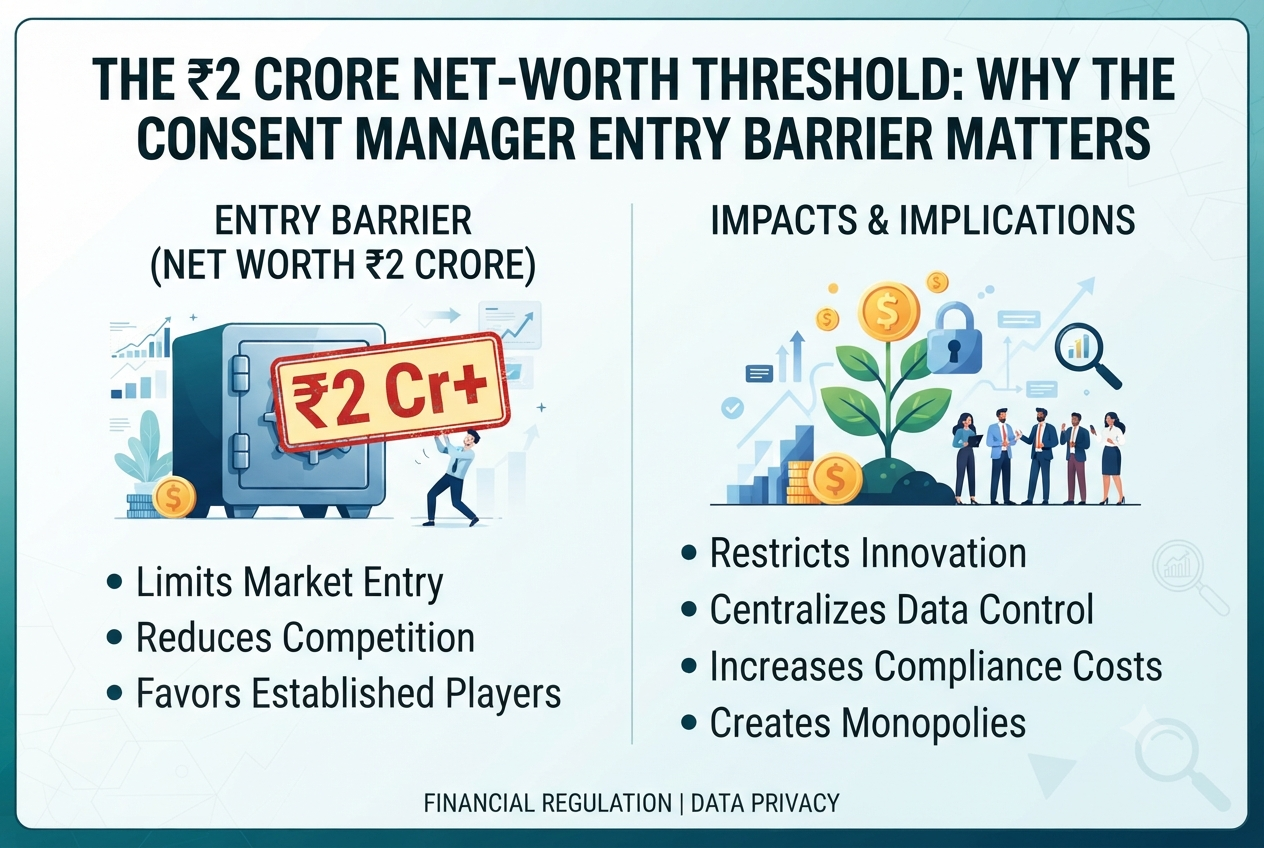
- Consent Manager: An intermediary that enables individuals to manage their consent through an accessible platform.
2. What Makes This Law Important for Businesses?
The framework places greater responsibility on organisations collecting and processing personal data.
Some important requirements include:
- Clear and transparent privacy notices.
- Obtaining valid consent wherever required.
- Implementing reasonable security safeguards.
- Providing mechanisms for individuals to exercise their data rights.
- Reporting personal data breaches as prescribed.
- Establishing appropriate data retention and deletion practices.
Businesses will need to reconsider how they collect, store, share and use customer information.
3. Important Compliance Timeline: What Businesses Should Know
The DPDP framework follows a phased implementation approach.
- 13 November 2025: DPDP Rules, 2025 notified.
- 13 November 2026: Rule 4 concerning registration and obligations of Consent Managers becomes effective.
- 13 May 2027: The major remaining compliance provisions are scheduled to come into force, including requirements relating to notices, consent, security safeguards, breach notifications and individual rights.
Therefore, businesses should use the transition period to prepare rather than wait until the final compliance deadline.
4. Impact on Indian Businesses
The implications extend across industries.
Startups: Must incorporate data protection into their business models and technology platforms.
MSMEs: Need to develop appropriate data management and security practices without treating compliance as an afterthought.
Banking and Financial Services: Must pay particular attention to customer information, digital transactions and third-party data sharing.
E-commerce Companies: Need transparent customer consent mechanisms and responsible handling of personal information.
Corporate Management: Data protection should become an integral part of risk management and governance discussions.
5. The Role of Finance Professionals and Compliance Experts
This legislation also creates an important opportunity for finance and compliance professionals.
Their contribution can extend beyond traditional accounting and taxation to:
- Assessing regulatory compliance costs.
- Identifying financial and operational risks arising from data breaches.
- Reviewing internal control systems.
- Supporting corporate governance and risk management.
- Evaluating third-party service provider compliance.
In the coming years, professionals who understand both financial management and regulatory compliance may bring significant value to organisations.
6. Challenges Ahead
Despite its importance, implementation may not be easy.
Businesses could face challenges involving technology investment, employee awareness, vendor management, data mapping and cybersecurity infrastructure.
For smaller organisations, the cost of establishing appropriate systems may also be a concern.
However, treating data protection as a long-term investment rather than merely a compliance expense can strengthen business sustainability.
Conclusion: Compliance Is No Longer Just About Avoiding Penalties
The DPDP Act marks an important step towards building a more accountable digital economy in India.
In an environment where customer information is constantly being collected and processed, trust can become a significant competitive advantage.
Businesses that proactively embrace data protection will be better positioned to strengthen customer confidence, improve governance and build sustainable digital operations.
The future of business will not be determined only by how effectively organisations use data, but also by how responsibly they protect it.