By The Worldonomics Times
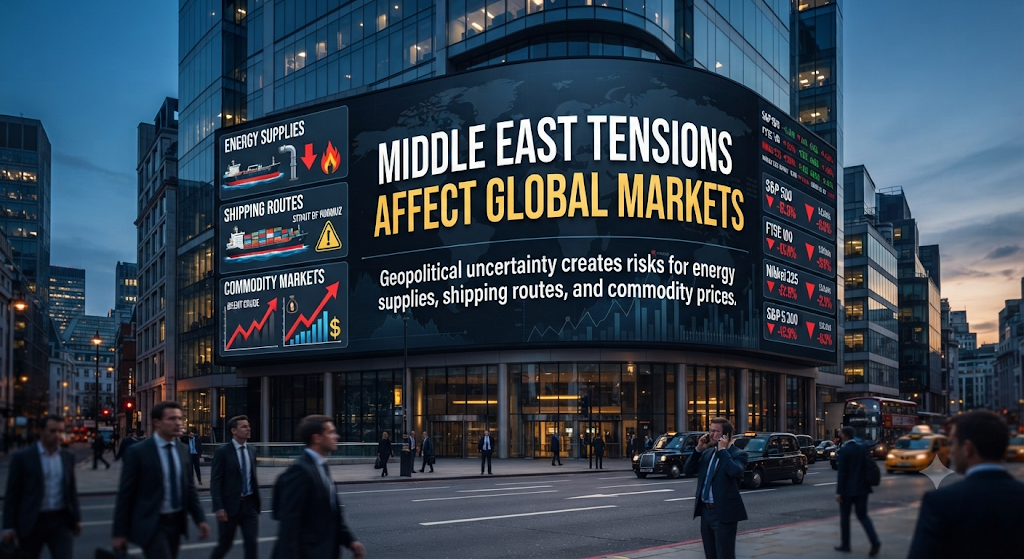
Continuing geopolitical uncertainty in the Middle East is creating risks for energy supplies, shipping routes and international commodity markets. The region is a major source of oil and natural gas and an important link in global maritime trade. Any escalation affecting energy infrastructure or commercial shipping can therefore influence production costs, transportation expenses and financial market confidence worldwide.
The latest developments demonstrate how quickly regional conflict can affect the wider economy. Although some energy exports have recovered, attacks on tankers and infrastructure continue to create uncertainty for traders, shipping companies and governments. The challenge for global markets is to manage these risks while maintaining stable supplies and controlling inflation.
Energy Supplies Remain Vulnerable
The Middle East plays a central role in international energy markets, particularly through oil and liquefied natural gas exports. The Strait of Hormuz is especially important because it connects major Gulf energy producers with international customers. Disruptions to this route can affect the movement of crude oil, petroleum products and natural gas.
The International Energy Agency’s November 2026 Oil Market Report highlights the continuing effects of the conflict on global energy supplies. Although Gulf exports increased during October, they remained below pre-conflict levels. The report noted that Gulf oil exports, excluding Oman, reached 18.4 million barrels per day, approximately 26% below their pre-conflict level.
The IEA also reported that global oil supply increased by 2.3 million barrels per day in October, reaching 105.4 million barrels per day. This recovery has helped ease some immediate supply concerns, but continued attacks on energy infrastructure and tankers remain significant risks.
Shipping Routes Face Growing Uncertainty
The impact of Middle East tensions extends beyond energy production. The region contains several important maritime routes connecting Asia, Europe and other major trading markets.
The Strait of Hormuz and the Bab el-Mandeb Strait are particularly important for international shipping. Disruptions in these waterways can force vessels to change routes, increase journey times and raise fuel consumption. Shipping companies may also face higher insurance premiums when operating in areas considered vulnerable to military activity.
Reuters reported that at least 10 ships were hit during the first 10 days of November, following 37 attacks in October. The incidents have highlighted the continuing security risks faced by commercial vessels, even as diplomatic efforts seek to reduce tensions. The International Maritime Organization has also recorded numerous regional incidents since the conflict escalated.
Longer routes and higher insurance costs can increase the price of imported goods. These additional expenses may eventually be passed on to manufacturers, retailers and consumers.
Oil and Commodity Markets React to Developments
Geopolitical uncertainty often creates volatility in commodity markets because traders must assess the possibility of future supply disruptions. Oil prices can respond rapidly to attacks, diplomatic developments and changes in shipping activity.
However, the relationship between regional tensions and oil prices is not always straightforward. On November 17, Reuters reported that Brent crude was trading around $92.61 per barrel, while US West Texas Intermediate stood near $85.73. Expectations of stronger supply and a possible global surplus helped offset concerns about tanker attacks and regional security.
The IEA’s November assessment also indicated that oil prices had fallen considerably from their early-October peak as Gulf exports recovered. Nevertheless, refined petroleum products remain under pressure. Diesel prices in particular have stayed significantly above pre-conflict levels, reflecting supply constraints and elevated transportation costs.
Other commodities may also be affected. Fertilisers, petrochemical feedstocks and industrial raw materials depend on energy supplies and international transportation networks. Higher energy costs can increase agricultural production expenses, manufacturing costs and the prices of essential consumer products.
Inflation and Business Costs Come Under Pressure
Higher energy and transportation costs can create inflationary pressure across the global economy. Fuel is a major input for aviation, road transport, shipping, agriculture and manufacturing. When prices increase, businesses may face higher operating expenses and reduced profit margins.
Airlines and logistics companies can be particularly exposed because fuel represents a significant part of their operating costs. Manufacturers may also experience higher electricity, heating and raw-material expenses.
For consumers, the consequences can include more expensive transportation, food and household products. Lower-income households are often more vulnerable because essential goods and energy account for a larger share of their spending.
Central banks must also monitor these developments. A sustained increase in energy prices could make inflation more difficult to control, potentially delaying interest-rate reductions or requiring policymakers to maintain restrictive monetary conditions.
Implications for Global Trade and Investment
Uncertainty in the Middle East can influence international investment decisions. Companies operating across several countries may reconsider supply-chain arrangements, shipping contracts and inventory requirements to reduce exposure to regional disruptions.
Higher insurance costs and unpredictable delivery schedules can discourage investment in sectors dependent on international logistics. Financial markets may also become more cautious when geopolitical risks increase, affecting currencies, government bonds and equity prices.
The International Monetary Fund’s October 2026 World Economic Outlook examined how geopolitical developments have influenced energy prices and commodity markets. Its analysis highlighted the significant disruption caused by restrictions on shipments through the Strait of Hormuz and the continuing pressure on refined petroleum product markets.
These developments demonstrate that geopolitical risk is not limited to the countries directly involved. It can affect trade, investment and economic confidence across multiple regions.
Implications for India
India is particularly exposed to developments in the Middle East because it depends heavily on imported crude oil and maintains extensive trade, energy and commercial relationships with the region.
Higher international oil prices can increase India’s import expenditure, place pressure on the current account and contribute to domestic inflation. Increased freight and insurance costs can also affect Indian exporters and importers, particularly businesses transporting goods through vulnerable maritime routes.
Sectors such as aviation, chemicals, fertilisers, manufacturing and logistics may face higher costs if energy and transportation disruptions continue. Consumers could experience indirect effects through fuel-related expenses and the prices of essential products.
India can reduce some of these vulnerabilities by diversifying energy suppliers, strengthening strategic petroleum reserves, expanding renewable energy capacity and improving supply-chain resilience. Maintaining strong diplomatic and commercial relationships across the region is also important for protecting trade and energy security.
The Worldonomics Times View
Middle East tensions remain a significant risk to global economic stability because the region is central to energy production and international shipping. Even when oil supplies begin to recover, uncertainty surrounding maritime security and infrastructure can keep transportation costs elevated and create volatility in commodity markets.
Governments and businesses should avoid treating temporary improvements in energy flows as a guarantee of lasting stability. Diversified energy sources, reliable shipping arrangements, strategic reserves and stronger international cooperation are essential for managing future disruptions.
For India, reducing dependence on imported energy and strengthening alternative supply routes should remain important economic priorities. Investment in renewable energy, efficient logistics and domestic manufacturing can help limit exposure to external shocks.
Ultimately, the economic consequences of Middle East tensions will depend on the duration and intensity of regional instability. A sustained diplomatic effort to protect commercial shipping and energy infrastructure would benefit not only the countries directly involved but also the wider global economy.