Higher oil and natural gas prices are increasing production, transportation and household expenses across international markets. With geopolitical tensions disrupting energy supplies and global inventories under pressure, the latest price surge is threatening to complicate inflation control and slow the pace of economic recovery.
The global economy is facing renewed pressure as rising energy prices increase the cost of doing business across industries and countries. Oil and natural gas remain essential inputs for manufacturing, transportation, electricity generation and agriculture. Consequently, sustained increases in their prices can spread throughout the economy, affecting businesses, consumers and governments.
The latest energy-market developments have been shaped by geopolitical tensions in the Middle East, disruptions to shipping routes and concerns about the availability of fuel supplies. Although some oil exports have recovered, the restoration of normal market conditions remains fragile.
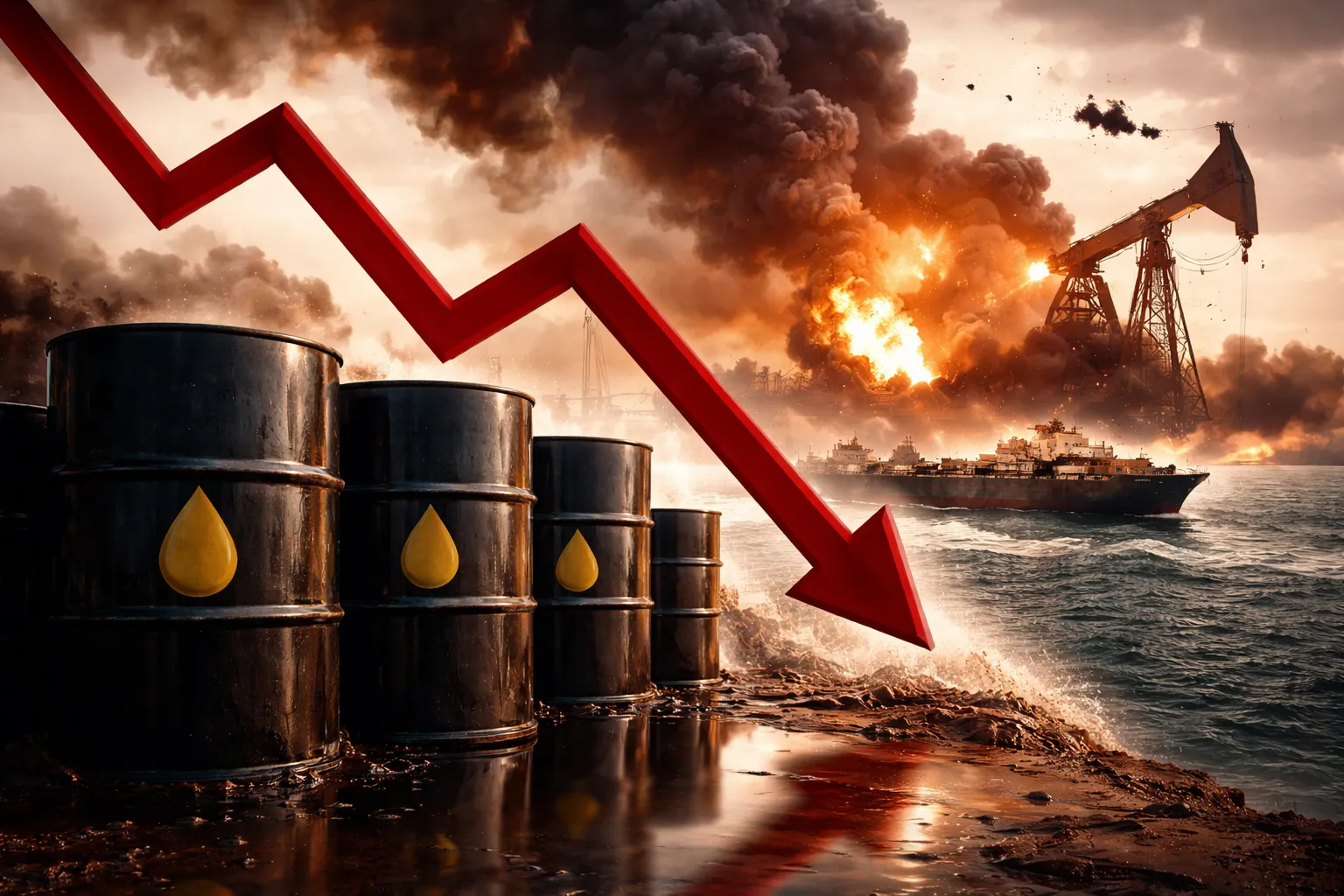
The World Bank’s October 2026 Commodity Markets Outlook projects that global energy prices will rise by 32% during 2026, reversing three years of declines. Brent crude is forecast to average $91 per barrel this year, compared with $69 in 2025. The institution expects prices to moderate in 2027, although further geopolitical disruptions could change that outlook.
These developments highlight how energy security has become a central factor in determining the strength of the global economic recovery.
Geopolitical Tensions Keep Energy Markets Under Pressure
The Middle East remains a major source of uncertainty for international energy markets. Conflict-related disruptions have affected oil production, shipping activity and the movement of liquefied natural gas (LNG).
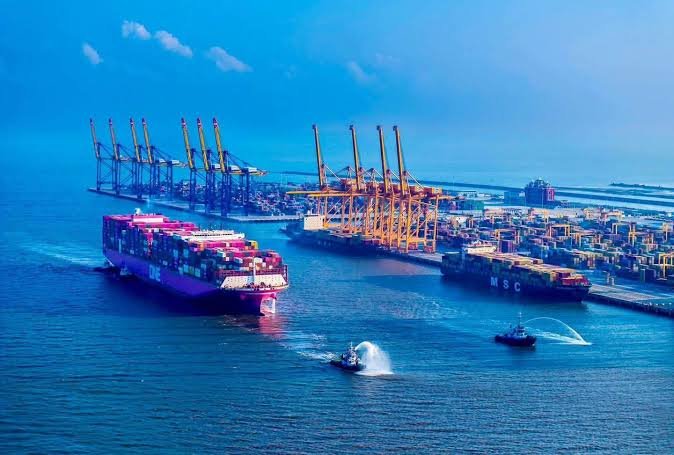
The Strait of Hormuz is particularly important because it is a critical route for global oil and gas shipments. Any restriction on shipping through this corridor can affect supplies to major energy-importing economies, especially in Asia.
According to the International Energy Agency’s 2026 Global Gas Security Review, disruptions to LNG flows through the Strait of Hormuz have pushed Asian spot LNG and European gas prices to their highest levels since the 2022–23 energy crisis. Between March and October, average European spot prices rose almost 70% year on year, while Asian spot LNG prices increased nearly 80%.
The consequences extend beyond the immediate region. Higher shipping costs, insurance premiums and longer delivery routes increase the final price paid by importers, adding further pressure to international energy markets.
Manufacturing and Transportation Face Higher Costs
Energy is a fundamental component of industrial production. Manufacturers depend on electricity, natural gas and petroleum-based fuels to operate machinery, process materials and transport finished goods.
When energy prices rise, companies face higher operating expenses. Industries such as steel, cement, chemicals, fertilisers, aviation and shipping are particularly exposed because of their substantial energy requirements.
Transportation costs are also increasing. Airlines face higher jet-fuel expenses, shipping companies pay more for fuel and logistics providers must manage rising operating costs. These increases can eventually be passed on to consumers through higher prices for imported goods, food products and everyday essentials.
Smaller businesses may be especially vulnerable because they often have limited financial resources and less bargaining power. Unlike large corporations, they may struggle to absorb additional costs or secure long-term energy contracts at favourable prices.
The result can be reduced profit margins, delayed investment and slower hiring, weakening the wider economic recovery.
Inflation and Household Purchasing Power
Higher energy prices create a difficult challenge for central banks and policymakers. Fuel and electricity costs directly influence household budgets, while indirectly affecting the prices of food, manufactured goods and services.
When businesses pass higher production and transportation expenses to customers, inflationary pressure can spread across the economy. Households then face higher costs for commuting, heating, electricity and essential purchases.
Lower-income families are particularly exposed because energy and food account for a larger proportion of their spending. As living costs rise, households may reduce discretionary purchases, affecting retail businesses and overall consumer demand.
Central banks must also consider whether energy-driven inflation will become persistent. Cutting interest rates too quickly could allow broader price pressures to strengthen, while keeping borrowing costs high for too long could weaken investment and economic activity.
This creates a difficult policy balance between controlling inflation and supporting growth.
Emerging Economies Face Greater Vulnerability
Energy-importing developing economies are particularly sensitive to international price increases. Countries that depend heavily on imported crude oil, natural gas and refined petroleum products must spend more foreign currency to secure essential supplies.
Higher import bills can widen trade deficits, put pressure on exchange rates and reduce foreign-exchange reserves. Governments may also face difficult decisions over fuel subsidies, taxation and public spending.
India and several Asian economies are exposed to these risks because of their reliance on imported energy. Higher oil prices can increase transportation and manufacturing expenses, while expensive natural gas can affect electricity generation and fertiliser production.
For countries already managing high public debt and currency volatility, another energy-price shock could complicate economic planning and limit resources available for infrastructure and social development.
The Outlook: Energy Security Becomes a Growth Priority
Despite current supply concerns, the longer-term outlook remains uncertain. The International Energy Agency’s October Oil Market Report highlights the scale of disruption to global oil supply and demand during 2026. It also points to the possibility of a fragile recovery in supply as geopolitical risks and shipping disruptions continue.
The World Bank expects energy prices to ease in 2027 under its baseline outlook, assuming major conflicts do not intensify. However, depleted inventories and damage to energy infrastructure leave markets vulnerable to further shocks.
Governments are increasingly recognising the importance of diversifying energy supplies, expanding strategic reserves and investing in renewable energy. Improvements in electricity grids, battery storage and energy efficiency can also reduce exposure to imported fossil fuels over time.
The Worldonomics Times View
Rising energy prices are not simply a problem for the oil and gas industry. They represent a wider economic challenge that affects manufacturing competitiveness, international trade, household purchasing power and financial stability.
The present situation demonstrates how quickly geopolitical tensions can translate into higher costs for businesses and consumers around the world. Even countries geographically distant from conflict zones can experience the consequences through fuel imports, shipping expenses and inflation.
Governments should avoid relying exclusively on short-term subsidies or emergency price controls. While temporary assistance may be necessary to protect vulnerable households and essential industries, long-term resilience requires diversified energy supplies, stronger infrastructure and more efficient consumption.
Investment in renewable energy, storage technology and modern electricity networks should be treated as an economic priority rather than only an environmental objective. At the same time, conventional energy supply chains must remain sufficiently reliable during the transition.
Central banks and governments also need coordinated policies to prevent temporary energy shocks from becoming prolonged inflationary pressures.
The Worldonomics Times believes that sustainable global recovery depends on affordable, reliable and secure energy. Unless countries strengthen their energy resilience and reduce their exposure to supply disruptions, rising oil and gas costs will remain a serious obstacle to stable economic growth.