27 October 2026 | The Worldonomics Times
Global Inflation Faces Renewed Pressure
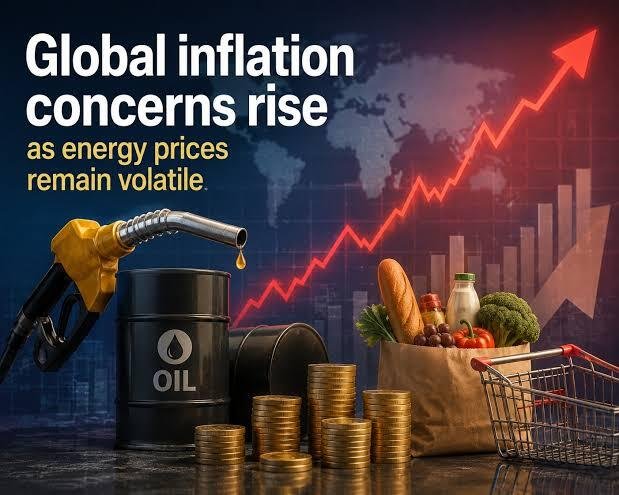
Rising energy prices are intensifying concerns over global inflation, with economists warning that elevated price pressures could persist into 2027 as higher oil and energy costs spread throughout the world economy. The latest developments are creating fresh challenges for policymakers, particularly central banks that have been working to bring inflation under control while supporting economic growth.
The increase in energy costs represents a significant risk to the global economic outlook. Oil is a fundamental input for transportation, manufacturing, agriculture and international trade. When prices rise sharply, the effects extend well beyond fuel bills, influencing production costs, consumer prices and business investment decisions.
The renewed inflation concerns come at a difficult time for the global economy, which continues to navigate geopolitical uncertainty, trade tensions and uneven economic growth. If elevated energy prices persist, households could face higher living expenses, businesses could experience shrinking profit margins, and central banks may find it more difficult to determine the appropriate course of monetary policy.
How Higher Oil Prices Spread Through the Economy
Energy prices influence inflation through both direct and indirect channels. The direct impact is visible when petrol, diesel, natural gas and electricity become more expensive. These increases immediately affect household budgets and raise operating costs for businesses that rely heavily on energy.
The indirect effects can be more widespread. Transport companies may increase freight charges as fuel expenses rise. Manufacturers may pass higher electricity and production costs on to customers, while agricultural producers may face increased expenses for machinery, irrigation, fertilisers and transportation.
These cost increases can gradually spread across supply chains, raising the prices of food, consumer goods and services. Even companies that do not use large amounts of energy directly may face higher costs through their suppliers and logistics partners.
The scale of the inflationary impact will depend on how long energy prices remain elevated, how quickly businesses pass costs on to consumers and whether workers seek higher wages to compensate for declining purchasing power.
If these effects become persistent, an initial oil price shock could develop into broader inflationary pressure across the economy.
Central Banks Face Difficult Policy Decisions
The rise in energy prices complicates the task of central banks, whose primary objectives generally include maintaining price stability and, depending on their mandates, supporting employment and economic activity.
When inflation rises, central banks may keep interest rates higher for longer or delay anticipated rate cuts. Higher borrowing costs can help moderate demand by making loans more expensive for households and businesses. However, monetary policy cannot directly increase oil supplies or resolve geopolitical disruptions affecting energy markets.
This creates a difficult policy dilemma. Tightening monetary conditions too aggressively could weaken investment, reduce consumer spending and slow employment growth. On the other hand, easing policy too quickly could allow inflationary pressures to become entrenched if energy costs continue rising and spread into wages and other prices.
Policymakers must therefore distinguish between temporary increases in energy prices and a more persistent rise in underlying inflation. Inflation expectations, wage developments, services prices and broader economic activity will be important indicators in determining their next steps.
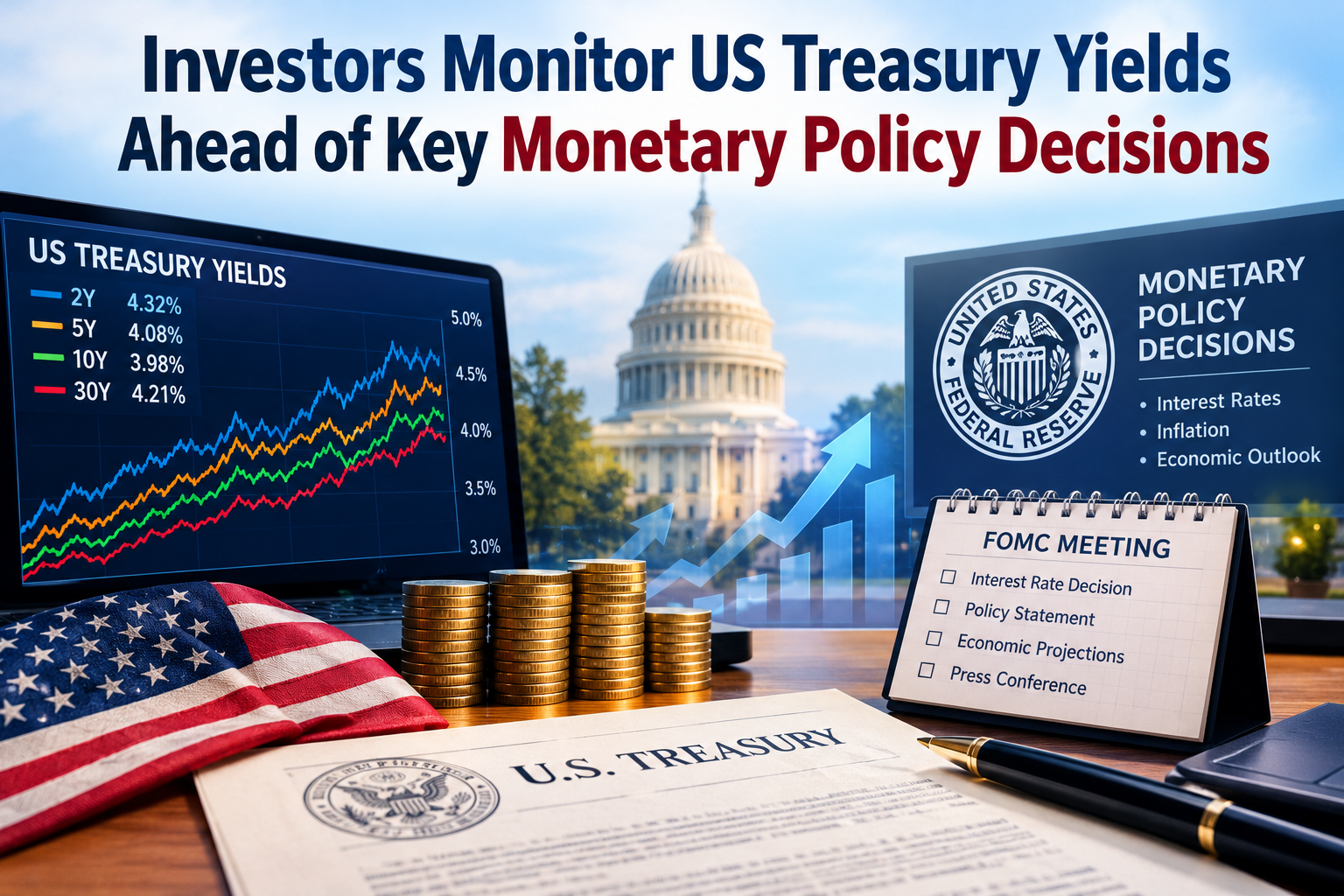
Financial markets will also closely monitor central bank communications, as changes in expectations about interest rates can influence bond yields, currencies and investment flows.
Households and Businesses Under Pressure
For households, rising energy prices can reduce disposable income, leaving less money available for housing, healthcare, education and discretionary spending. Lower-income families are often particularly vulnerable because energy and food account for a larger share of their budgets.
The impact can be especially severe in economies that depend heavily on imported oil and gas. Higher import bills may place pressure on foreign exchange reserves, weaken currencies and increase the cost of other imported goods.
Businesses face a similar challenge. Companies may have to absorb higher input costs, accept lower profit margins or raise selling prices. Small and medium-sized enterprises can be particularly exposed because they often have limited bargaining power, fewer financial reserves and less flexibility to secure long-term energy contracts.
If consumers reduce spending in response to higher living costs, businesses could experience weaker demand at the same time that their operating expenses increase. This combination may slow economic activity and create additional pressure on employment.
Emerging Economies Face Additional Risks
Developing and emerging economies could experience disproportionate effects from a sustained increase in oil prices. Countries that depend on imported energy may face deteriorating trade balances as more foreign currency is required to purchase essential supplies.
Governments may come under pressure to introduce fuel subsidies, reduce taxes or provide financial assistance to vulnerable households. While such measures can offer short-term relief, broad and prolonged subsidies may increase fiscal costs and divert resources from infrastructure, healthcare and education.
Currency depreciation can intensify the problem by making imported energy even more expensive in domestic currency. In countries with substantial foreign-currency debt, tighter global financial conditions could create additional difficulties.
Diversifying energy sources, improving efficiency and strengthening domestic energy infrastructure can help reduce exposure to international price shocks. Targeted support for vulnerable households may also provide relief without placing excessive pressure on public finances.
The Road Ahead: Energy Security and Economic Stability
The duration of the current inflationary pressure will depend on developments in global oil markets, geopolitical conditions, supply availability and the strength of demand. A sustained easing in energy prices could relieve some cost pressures, while prolonged disruptions could keep inflation elevated and delay monetary easing.
Governments can help strengthen resilience by investing in renewable energy, modernising electricity grids, improving storage capacity and encouraging energy efficiency. A more diversified energy mix can reduce dependence on individual suppliers and improve protection against future price shocks.
Businesses, meanwhile, may need to reassess supply chains, improve energy management and prepare for continued volatility in operating costs. Households can also benefit from greater energy efficiency, although the scope for adjustment varies considerably across income groups and countries.
Ultimately, policymakers will need to balance inflation control with the risk of weakening economic growth. Clear communication, credible monetary policy and carefully targeted fiscal measures will be essential to managing the uncertainty.
As the world moves towards 2027, the energy price shock serves as a reminder that inflation is shaped not only by domestic demand and interest rates but also by geopolitical developments and global supply conditions. The challenge for governments and central banks will be to prevent temporary external pressures from turning into a prolonged cost-of-living crisis.
The Worldonomics Times View
The Worldonomics Times believes that rising energy prices represent more than a temporary increase in fuel costs; they are a test of global economic resilience and the effectiveness of inflation-management policies. If energy prices remain elevated, the consequences could extend into 2027, affecting household purchasing power, business competitiveness and the pace of economic recovery.
Central banks must remain vigilant without responding mechanically to every increase in oil prices. Interest-rate decisions should consider whether inflation is spreading beyond energy markets and becoming embedded in wages, services and consumer expectations. At the same time, governments should avoid excessive reliance on broad fuel subsidies that may provide immediate relief but create long-term fiscal challenges.
A sustainable response requires a combination of targeted household support, responsible fiscal management, diversified energy supplies and greater investment in renewable energy and efficiency. International cooperation will also be important in reducing supply disruptions and strengthening the stability of global energy markets.
In our view, the ultimate objective should be to protect consumers while preserving economic growth. The current situation highlights the importance of building economies that can withstand external shocks without sacrificing price stability or long-term development. As the world approaches 2027, preparedness, policy discipline and energy diversification will be critical to keeping inflation under control and sustaining economic confidence.