By Worldonomics Times | Global Economy
October 27, 2026
Introduction
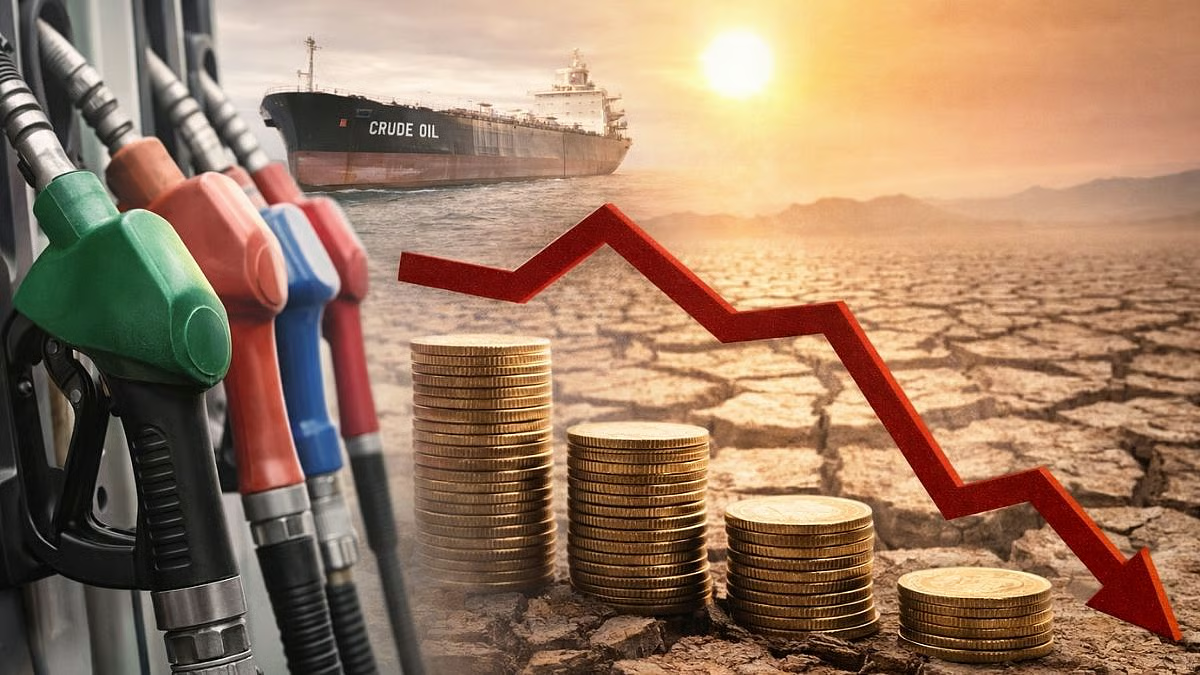
Rising energy prices are emerging as a major challenge for the global economy, putting renewed pressure on inflation, household budgets, industrial production and international trade. Higher oil and natural gas prices are increasing transportation and manufacturing costs, forcing businesses and governments to reassess their economic strategies.
According to the Organisation for Economic Co-operation and Development (OECD), renewed disruptions to energy production and exports in the Gulf region have contributed to higher energy prices and increased inflationary pressures. Its September 2026 economic outlook highlights how the duration of these disruptions could significantly influence global growth in the months ahead.
The challenge is particularly serious for countries that depend heavily on imported energy, where rising costs can weaken economic activity and place additional pressure on public finances.
Geopolitical Tensions Drive Energy Market Uncertainty
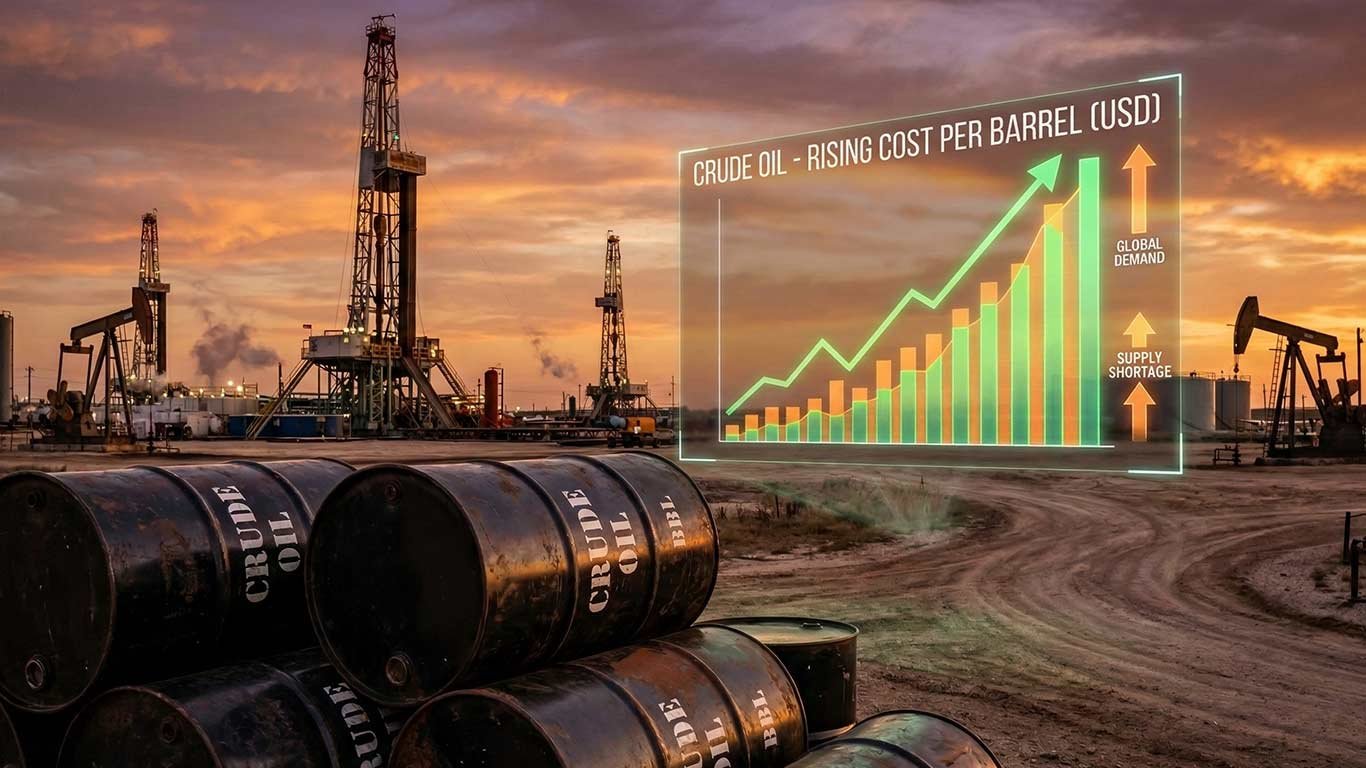
Geopolitical tensions remain a key factor behind volatility in international energy markets. Disruptions to oil production, export infrastructure and shipping routes can reduce the availability of essential supplies, pushing prices higher even when global demand begins to weaken.
The International Energy Agency’s October 2026 Oil Market Report noted that renewed hostilities in the Middle East had threatened the recovery of oil supplies and increased uncertainty across international markets. The agency also highlighted pressure on diesel availability and declining global oil inventories.
These developments demonstrate how regional conflicts can have consequences far beyond the countries directly involved. Because energy markets are internationally connected, disruptions in one region can affect fuel prices, shipping costs and industrial output worldwide.
Inflation and the Rising Cost of Living
Higher energy prices can feed directly into consumer inflation. When petrol, diesel, electricity and natural gas become more expensive, households face higher utility bills and transportation expenses. Businesses also encounter increased costs for manufacturing, packaging, storage and distribution.
Companies often pass at least part of these additional expenses on to consumers through higher prices. As a result, the effects of an energy shock can spread from fuel markets to food, consumer goods and essential services.
For households, particularly those with lower incomes, the impact can be substantial. A larger share of monthly earnings may have to be spent on basic necessities, leaving less money for education, healthcare, savings and discretionary purchases.
The International Monetary Fund’s October 2026 World Economic Outlook projects global headline inflation at 4.7% in 2026, before easing to 4.1% in 2027. These projections reflect a challenging global environment in which energy costs and other economic risks remain important factors.
Pressure on Businesses and Economic Growth
Energy-intensive industries, including manufacturing, aviation, shipping, chemicals and agriculture, are particularly vulnerable to rising fuel and electricity costs. Higher operating expenses can reduce profit margins, delay investment decisions and weaken business confidence.
Small and medium-sized enterprises may face additional difficulties because they often have less financial flexibility to absorb sudden cost increases. Transport operators and logistics companies may also introduce higher charges, increasing the cost of moving goods across domestic and international markets.
These pressures can slow production and reduce consumer demand. If businesses cut investment or postpone expansion, employment opportunities and economic growth may also suffer.
The OECD’s September outlook projected global GDP growth of 2.9% in 2026 and 3.0% in 2027. It warned that sustained energy disruptions, higher prices and tighter financial conditions could weaken the outlook further.
Challenges for Governments and Central Banks
Rising energy prices create a difficult policy dilemma. Central banks must prevent temporary price increases from becoming persistent inflation, while avoiding unnecessarily restrictive policies that could further weaken economic growth.
Higher interest rates may help contain inflation expectations, but they can also make borrowing more expensive for households and businesses. This can discourage investment, housing purchases and consumer spending.
Governments face a similar balancing act. Fuel subsidies, targeted cash transfers and temporary assistance for vulnerable households can provide relief. However, broad and prolonged subsidies may strain public budgets and weaken incentives to conserve energy.
Policymakers therefore need to design support measures carefully, directing assistance towards households and businesses most affected while maintaining fiscal sustainability.
The Importance of Energy Diversification
The current situation reinforces the need for countries to diversify their energy sources and reduce excessive dependence on imported fossil fuels.
Investment in solar and wind power, energy storage, electricity grids, nuclear energy where appropriate, and energy-efficiency improvements can strengthen long-term resilience. Diversifying suppliers and maintaining strategic energy reserves can also help countries manage temporary supply disruptions.
Although the transition to cleaner energy requires substantial investment, it can reduce exposure to international fuel-price volatility and create opportunities in emerging industries. Governments and businesses must balance these long-term objectives with the immediate need to maintain affordable and reliable energy supplies.
The Worldonomics Times View
Rising energy prices highlight the urgent need for a more resilient and diversified global energy system. While geopolitical tensions and supply disruptions may remain beyond the immediate control of many governments, their economic consequences can be reduced through strategic planning, responsible policymaking and international cooperation.
For policymakers, the priority must be to control inflation without slowing economic growth, protect vulnerable households and support businesses facing rising operating costs. At the same time, greater investment in renewable energy, energy efficiency and diversified supply chains can help economies reduce their exposure to future price shocks.
The Worldonomics Times believes that long-term economic stability will depend on how effectively countries balance immediate energy needs with sustainable development. Building reliable, affordable and diversified energy systems is no longer simply an environmental objective; it is an essential component of global economic security.
As the world navigates continued market uncertainty, coordinated action and forward-looking economic policies will be critical to protecting livelihoods, maintaining business confidence and strengthening the foundations of sustainable global growth.