By The Worldonomis Times Editorial Desk
The global economy continues to navigate a complex economic environment as policymakers, investors and businesses closely monitor growth prospects, inflationary pressures and changing financial conditions. While several major economies are demonstrating resilience, concerns surrounding geopolitical tensions, trade uncertainties, borrowing costs and uneven consumer demand continue to influence the global economic outlook.
The International Monetary Fund (IMF), World Bank and other international financial institutions have highlighted the challenges facing the global economy, particularly as countries attempt to balance economic expansion with price stability. Although inflation has moderated in several markets compared with its previous peaks, the pace of improvement remains uneven. At the same time, differences in monetary policies, industrial performance and consumer spending are creating varied growth patterns across regions.
As 2026 progresses, financial markets are increasingly focused on central bank decisions, commodity prices, international trade developments and corporate earnings to assess the direction of the global economy.
Global Economic Growth Faces Uneven Momentum
Economic growth across major economies remains mixed, reflecting differences in domestic demand, investment activity and government policies. The United States continues to benefit from consumer spending, technological investment and a relatively adaptable business environment. However, higher financing costs and uncertainty surrounding trade policies remain potential obstacles to stronger economic expansion.
European economies are experiencing a more complicated recovery, with industrial production, energy costs and consumer confidence influencing economic performance. Germany, France and other major economies are attempting to strengthen manufacturing competitiveness while investing in digital infrastructure and clean energy.
Meanwhile, several emerging economies are demonstrating growth potential through expanding domestic markets, infrastructure development and increasing industrial activity. India, in particular, continues to attract attention as a major growth market due to its consumption-driven economy, expanding services sector and infrastructure investments.
China’s economic outlook remains closely linked to domestic consumption, property market conditions, manufacturing performance and international trade. Its efforts to strengthen domestic demand and maintain industrial competitiveness will have significant implications for global economic activity.
Inflation Remains a Major Concern for Policymakers
Although inflation has eased from the exceptionally high levels experienced in previous years in several economies, maintaining price stability remains a central challenge for policymakers.
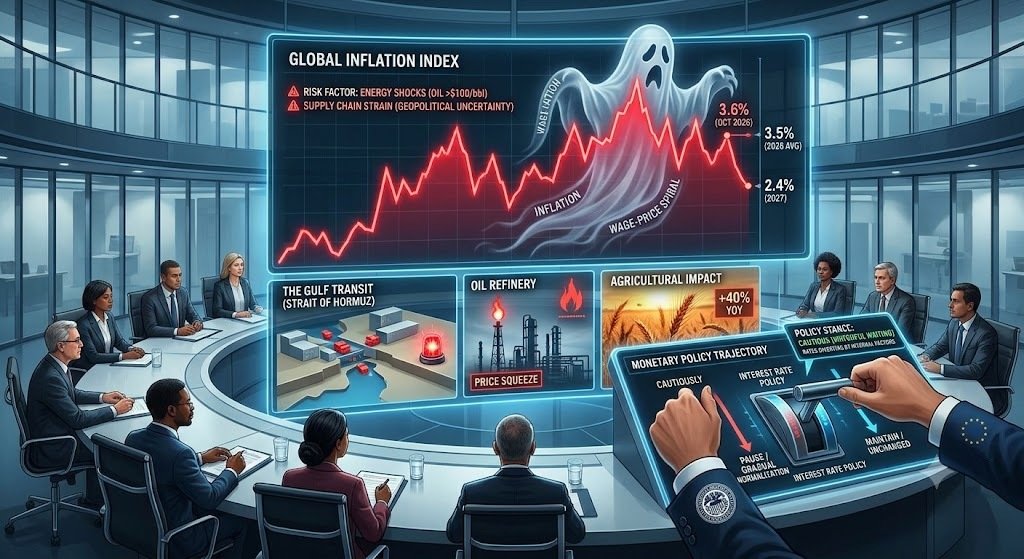
Rising costs associated with housing, food, transportation and essential services continue to influence household budgets. Energy market volatility and geopolitical developments also have the potential to increase production and transportation expenses, creating additional inflationary pressure.
Central banks are therefore approaching monetary policy decisions cautiously. While some economies may consider interest rate reductions if inflation continues to moderate, others may maintain relatively restrictive monetary conditions until price stability becomes more sustainable.
The challenge for policymakers is to prevent inflation from becoming persistent without unnecessarily weakening employment, investment and consumer demand.
Central Bank Policies Influence Global Financial Markets
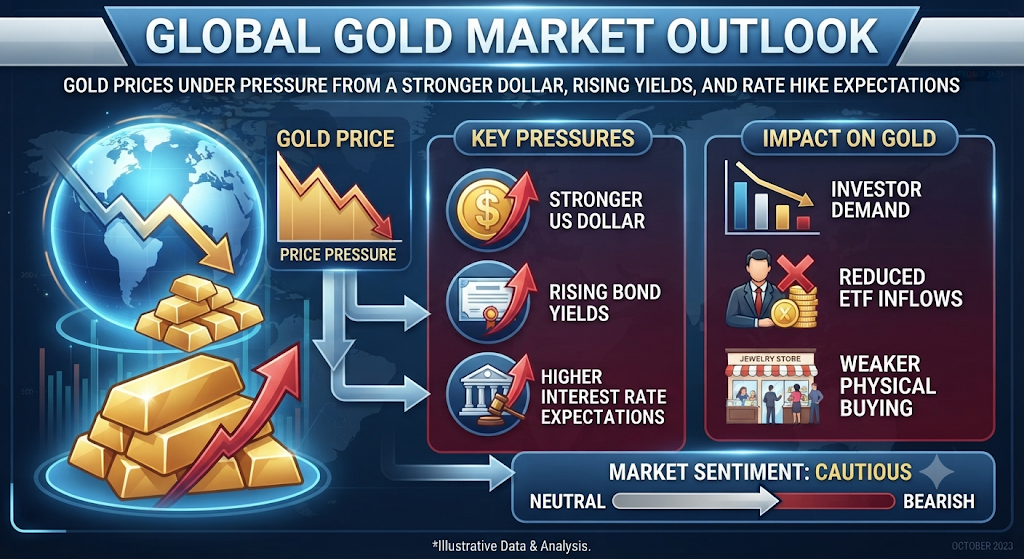
Monetary policy remains one of the most closely watched factors influencing international financial markets. Decisions by the US Federal Reserve, European Central Bank, Bank of England and Reserve Bank of India affect borrowing costs, currency movements, bond yields and investment sentiment.
Higher interest rates generally increase financing expenses for businesses and households, potentially slowing consumption and capital expenditure. Conversely, lower borrowing costs can encourage investment and stimulate economic activity, although premature monetary easing may create renewed inflationary risks.
Investors are consequently paying close attention to inflation reports, employment figures, economic growth estimates and central bank communications.
Financial markets are also responding to differences in monetary policy between countries. Such differences can influence capital flows, exchange rates and the attractiveness of international investment destinations.
International Trade and Geopolitical Risks Create Uncertainty
International trade remains an important driver of global economic activity, but geopolitical tensions and changing trade policies are creating additional uncertainty for businesses.
Tariffs, export restrictions, supply chain disruptions and regional conflicts can affect manufacturing costs, commodity prices and international investment decisions. Businesses that depend on global supply networks are increasingly evaluating alternative sourcing arrangements and diversifying their operations to reduce exposure to external disruptions.
The changing global trade environment is also encouraging countries to strengthen domestic manufacturing capabilities and develop strategic partnerships.
For emerging economies, these developments create both opportunities and risks. Countries capable of offering competitive production costs, reliable infrastructure and stable regulatory environments may attract investment as multinational companies reconsider their supply chain strategies.
Commodity Prices and Energy Markets Remain Important
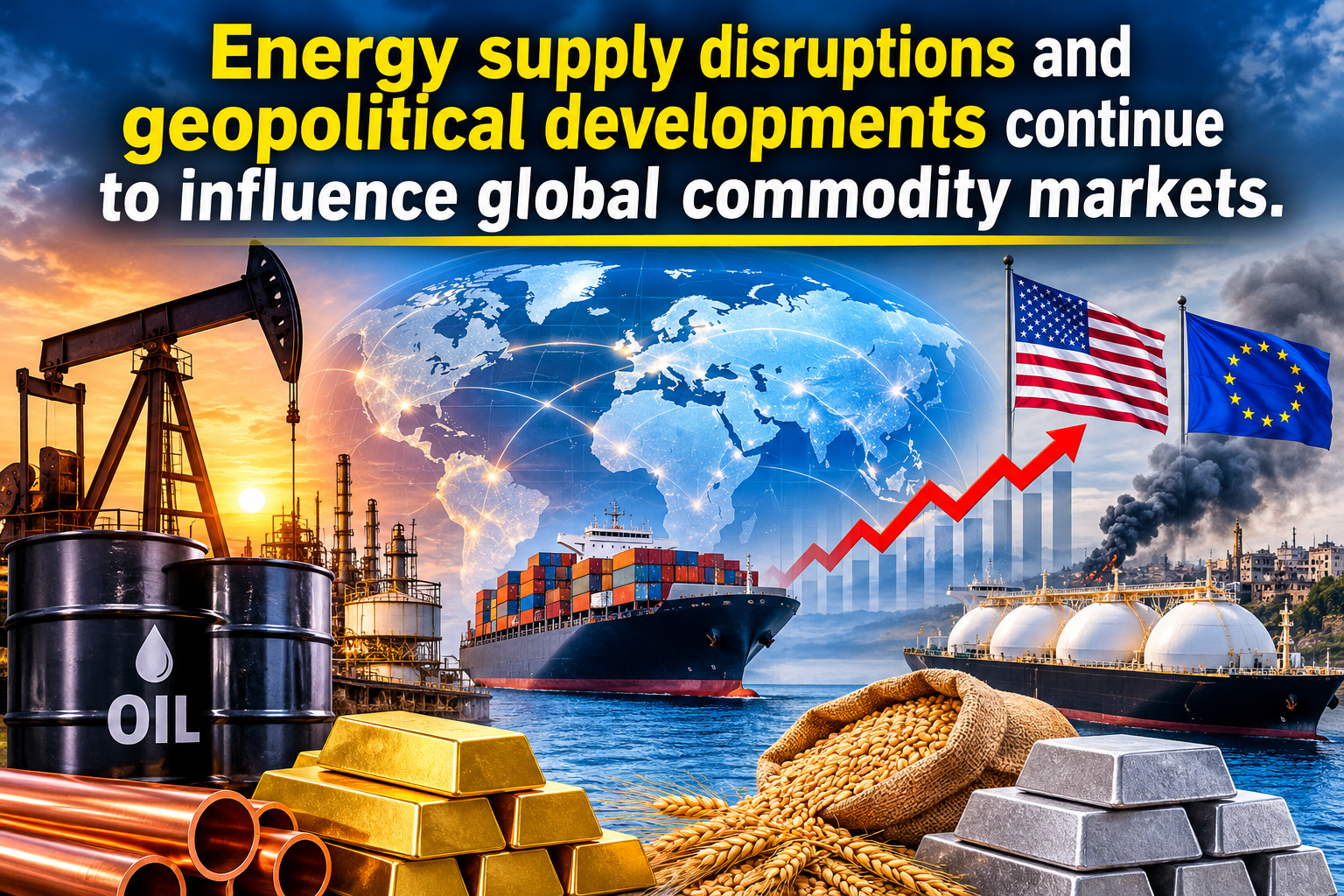
Energy and commodity prices continue to play a significant role in determining inflation and economic growth.
Oil and natural gas prices influence transportation, manufacturing and electricity generation costs. Meanwhile, fluctuations in agricultural commodities and industrial metals can affect food security, infrastructure spending and production expenses.
Renewable energy investment is gradually transforming the global energy landscape, but many economies remain exposed to fluctuations in traditional energy markets.
For developing countries that rely heavily on imported energy, higher international prices can increase inflation, widen trade deficits and place pressure on national currencies.
Consequently, energy diversification, improved infrastructure and efficient resource management remain important components of long-term economic stability.
Business Investment and Consumer Confidence Under Watch
Corporate investment and household spending are two important indicators of future economic performance. Businesses are increasingly assessing the impact of borrowing costs, technological developments and changing consumer preferences before committing to large-scale expansion.
Artificial intelligence, digital infrastructure, automation and renewable energy are emerging as important areas of investment. Companies that successfully adopt new technologies may improve productivity and strengthen their competitive positions.
However, uncertainty surrounding demand and financing conditions may encourage some businesses to postpone expansion plans.
Consumer confidence also remains important. When households face higher living expenses and financial uncertainty, discretionary spending may weaken, affecting retail, hospitality, real estate and other consumer-oriented industries.
Emerging Economies Offer Opportunities Amid Uncertainty
Despite global economic challenges, emerging markets continue to present attractive opportunities for international investors.
India, Indonesia, Vietnam and several other developing economies are benefiting from expanding consumer markets, infrastructure investment and growing participation in global manufacturing networks.
India’s economic prospects are supported by domestic consumption, digital transformation, public infrastructure spending and the expansion of financial services. Nevertheless, maintaining employment growth, controlling inflation and strengthening private investment will remain essential.
For investors, emerging markets offer the potential for higher long-term growth, although currency fluctuations, regulatory changes and geopolitical risks require careful assessment.
The Worldonomis Times View
The Worldonomis Times believes that the mixed global economic outlook reflects an important transition in the international economic system. While inflation management remains a priority, policymakers must also address the broader challenges of productivity, employment, investment and sustainable development.
The global economy cannot rely exclusively on monetary policy to achieve long-term stability. Governments must strengthen infrastructure, encourage innovation, improve workforce capabilities and create business environments that support productive investment.
Central banks, meanwhile, must maintain a balanced approach that recognises the relationship between inflation, economic growth and financial stability. Decisions based on reliable economic data rather than short-term market sentiment will be particularly important.
Emerging economies should focus on strengthening domestic industries, diversifying trade relationships and improving access to investment capital. At the same time, international cooperation will remain essential for addressing geopolitical risks, energy security and global financial vulnerabilities.
Ultimately, the world economy is unlikely to follow a uniform growth trajectory. Some countries may experience stronger expansion, while others face slower growth and persistent inflationary pressures. The ability to adapt to these changing conditions will determine which economies remain resilient.
For investors and businesses, the coming months will require careful evaluation of economic indicators, policy developments and international market conditions. In an increasingly interconnected world, sustainable growth will depend on balancing financial discipline with innovation, investment and long-term economic planning.