Middle East Conflicts Disrupt Energy Supplies, Fuel Inflation and Increase Costs for Businesses and Households Worldwide
By The Worldonomics Times Desk
October 27, 2026
Rising oil prices are placing renewed pressure on the global economy as geopolitical tensions in the Middle East disrupt energy supplies, increase transportation costs and intensify inflationary concerns. The latest developments in international energy markets have raised concerns among governments, businesses and consumers, with the possibility of prolonged supply disruptions threatening economic growth across several regions.
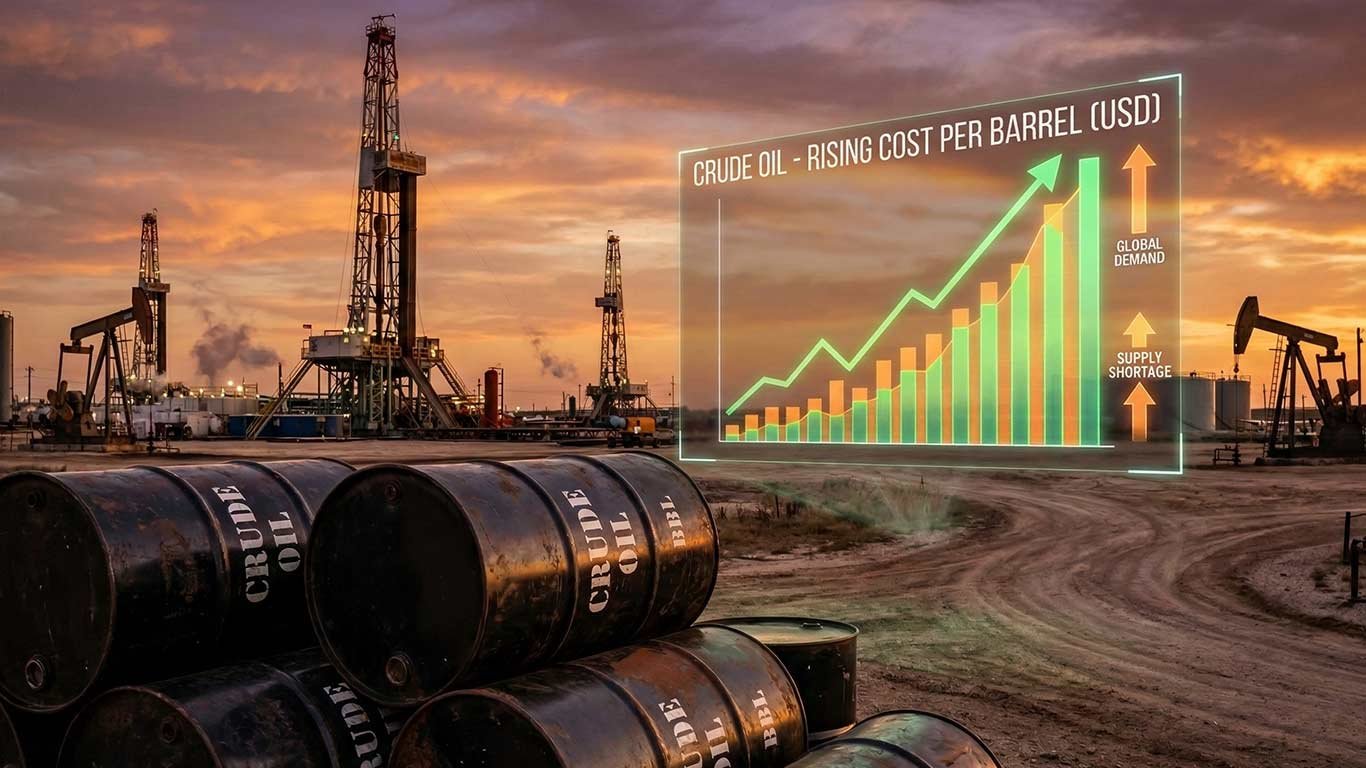
According to the International Energy Agency’s (IEA) October 2026 Oil Market Report, Brent crude futures rose approximately 13% from the beginning of September to around $107 per barrel. Prices for some physical crude oil grades climbed even higher, reflecting the strain on supply chains, tanker movements and energy infrastructure. The agency has warned that renewed attacks on regional energy facilities and shipping routes could undermine the recovery in oil exports.
The surge highlights the vulnerability of the global economy to energy market disruptions. Oil remains a critical input for transportation, manufacturing, agriculture and international trade. When prices rise sharply, the effects extend well beyond petrol stations, influencing the cost of everyday goods, industrial production and household budgets.
Middle East Tensions Disrupt Energy Markets
The Middle East occupies a central position in global energy markets, making regional instability a significant concern for oil-importing and oil-exporting countries alike. Conflict-related disruptions to production, refining and maritime transportation have created uncertainty over the availability and movement of energy supplies.
The Strait of Hormuz is particularly important because it serves as a major transit route for oil and other energy products. Any prolonged restriction of shipping through this corridor can affect global supply, increase transportation expenses and force energy companies to seek alternative routes.
Although oil exports from Gulf producers recovered significantly in September, the IEA has cautioned that renewed security concerns could interrupt further progress. Refinery bottlenecks and higher tanker rates are also contributing to elevated costs across the energy supply chain.
These developments demonstrate that restoring oil production alone may not be sufficient to stabilise markets. Reliable shipping routes, functioning refineries and secure infrastructure are equally important for ensuring that energy reaches consumers efficiently.
Inflationary Pressures Increase
One of the most immediate consequences of rising oil prices is higher inflation. When fuel becomes more expensive, transportation companies face increased operating expenses, manufacturers pay more to move raw materials, and retailers encounter higher distribution costs.
Businesses may absorb some of these expenses, but prolonged increases often lead to higher prices for consumers. Food, clothing, packaging materials and other essential products can become more expensive as fuel and logistics costs spread throughout supply chains.
The Organisation for Economic Co-operation and Development (OECD), in its September 2026 Economic Outlook, warned that renewed energy price pressures could keep inflation elevated for longer and weaken household purchasing power.
Higher inflation also complicates decisions by central banks. Policymakers may need to maintain restrictive interest rates or reconsider expected rate reductions if energy costs begin influencing broader prices. Higher borrowing costs can then discourage business investment, reduce consumer spending and slow economic activity.
Households and Businesses Face Growing Costs
The impact of expensive oil is felt differently across households and industries, but the pressure can be widespread.
For households, higher fuel and energy bills leave less money available for housing, education, healthcare and discretionary purchases. Lower-income families are particularly vulnerable because essential expenses account for a larger proportion of their budgets.
Businesses face similar challenges. Airlines, shipping companies, road transport operators and energy-intensive manufacturers are especially exposed to fuel price volatility. Small and medium-sized enterprises may struggle to absorb additional costs or pass them on to customers without losing sales.
Agriculture is also affected through the cost of diesel-powered machinery, transportation and petroleum-based inputs. If energy-related expenses remain elevated, food prices could face additional upward pressure, creating further difficulties for consumers.
Emerging Economies Face Greater Risks
Countries that depend heavily on imported oil are particularly exposed to prolonged price increases. Higher import bills can widen trade deficits, weaken currencies and increase pressure on foreign exchange reserves.
India and several other Asian economies are closely connected to international energy markets because of their reliance on imported crude oil. A sustained increase in prices can raise domestic fuel costs, increase industrial expenses and complicate efforts to maintain price stability.
For developing economies, the challenge is often more difficult because governments have limited fiscal resources to protect households and businesses. Fuel subsidies and other relief measures may provide short-term support, but they can also increase public expenditure and reduce funding available for infrastructure and social programmes.
Global Growth Outlook Faces Uncertainty
Higher oil prices threaten to slow global economic growth by increasing production costs and reducing the purchasing power of consumers. If households spend more on energy, they may cut back on other goods and services. Businesses facing weaker demand and higher operating expenses may postpone expansion plans or reduce hiring.
The OECD has identified persistent disruptions to Middle East energy exports as a significant downside risk to the global outlook. The longer supply constraints continue, the greater the potential damage to growth, trade and investor confidence.
Nevertheless, the scale of the economic impact will depend on how quickly supplies recover, whether alternative sources can compensate for shortages and how effectively governments respond.
The Worldonomics Times View
Stabilising oil markets will require secure shipping routes, reliable energy infrastructure and efforts to reduce geopolitical tensions. Governments can also strengthen energy security by diversifying suppliers, improving strategic reserves and accelerating investment in renewable energy and energy efficiency.
For businesses, better supply-chain planning and improved energy efficiency can help reduce exposure to sudden price changes. Targeted government assistance may provide temporary relief to vulnerable households and smaller firms without placing excessive pressure on public finances.
Ultimately, rising oil prices are more than an energy market concern; they are a test of global economic resilience. If disruptions persist, inflation could remain elevated while growth weakens. A sustained recovery in energy supplies, supported by greater international cooperation, will be essential to restoring market stability and protecting economic progress worldwide.