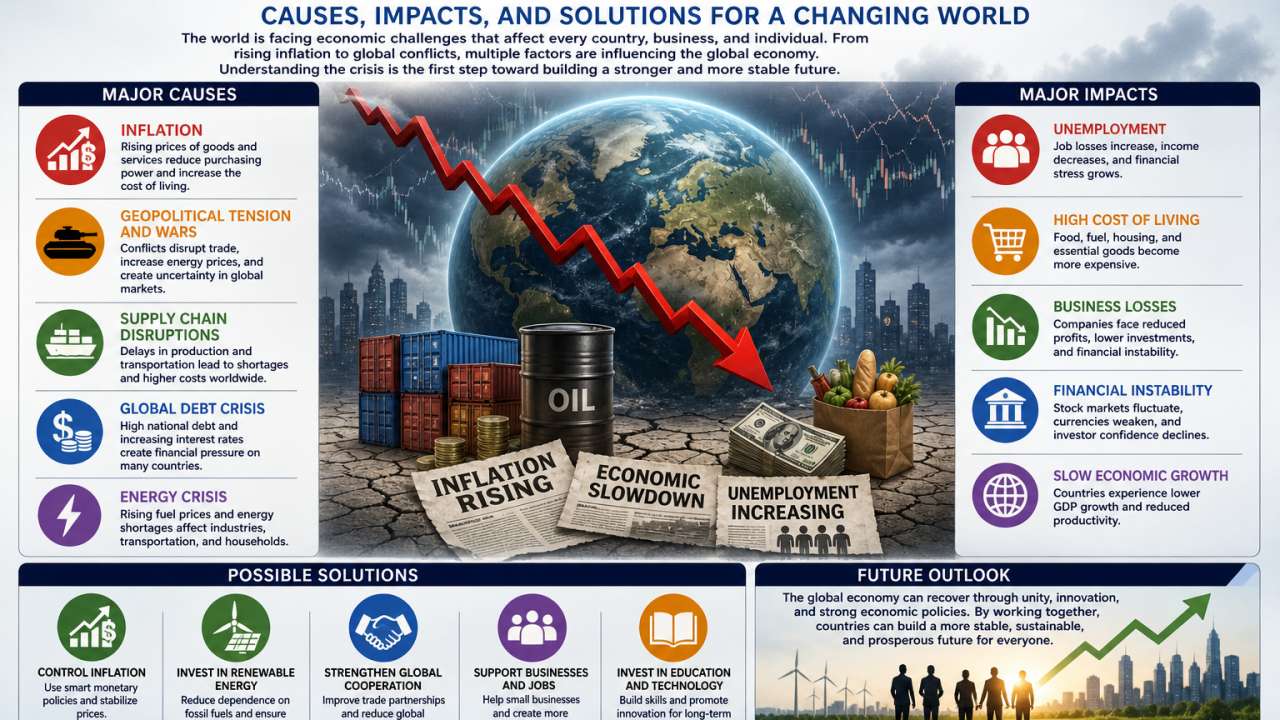
he International Monetary Fund’s growth outlook highlights the resilience of the global economy while cautioning that geopolitical conflicts, trade tensions and financial vulnerabilities could undermine recovery.
Global Economy Faces a Cautious Growth Outlook
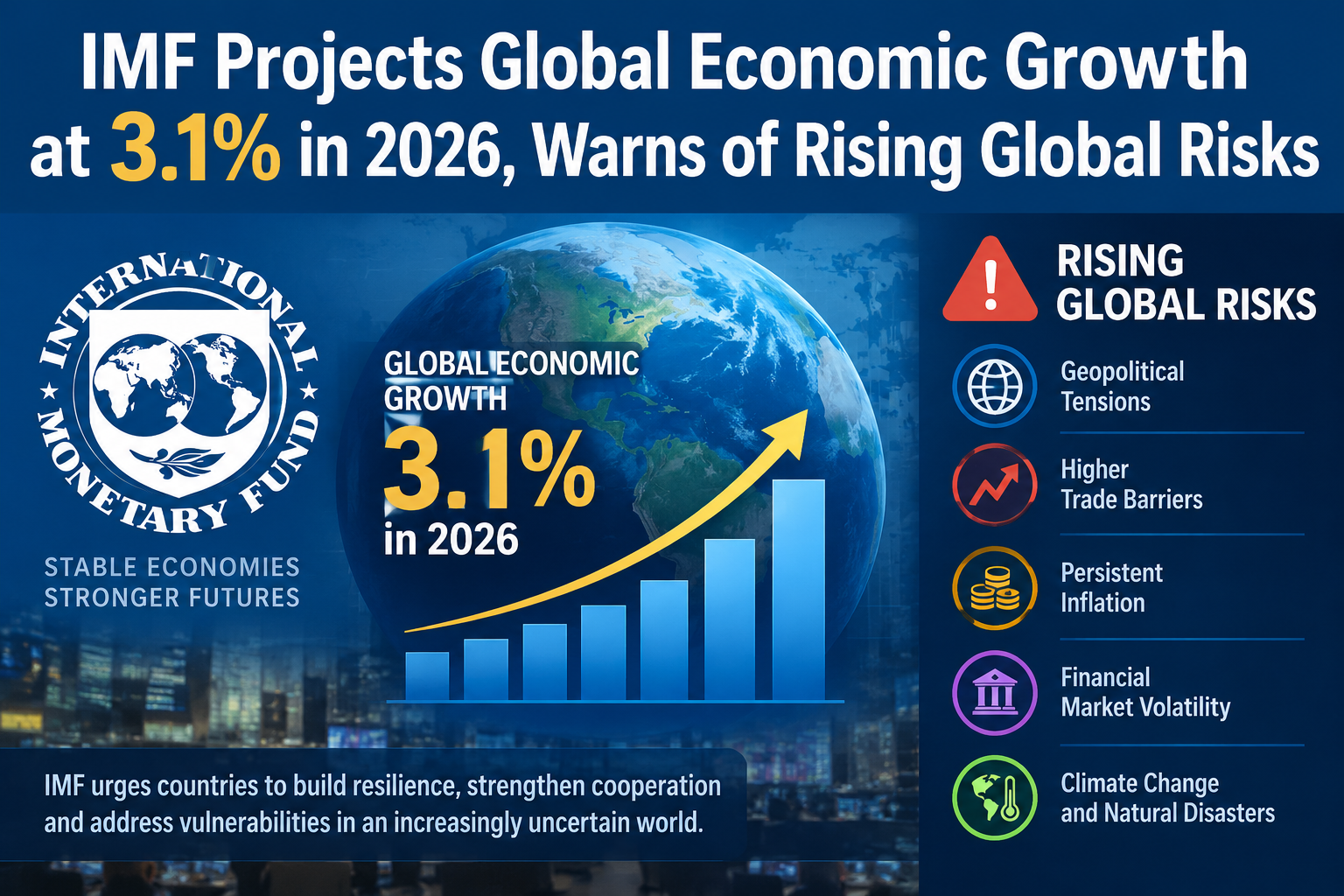
The global economy is expected to expand by 3.1% in 2026 and 3.4% in 2027, according to the International Monetary Fund (IMF) forecast outlined in the latest outlook. While the projections indicate continued economic expansion, they also underline the uncertainty surrounding the world’s recovery as governments, businesses and financial markets navigate geopolitical tensions, trade disruptions and emerging economic risks.
The forecast presents a mixed picture for the global economy. On one hand, economic activity continues to demonstrate resilience despite a challenging international environment. On the other, growth remains vulnerable to sudden shocks that could affect investment, international commerce, consumer confidence and financial stability.
For policymakers, the central challenge will be to sustain economic momentum while preparing for risks that could slow growth across advanced and emerging economies.
Geopolitical Conflicts Remain a Major Concern
Geopolitical instability is among the most significant threats to the global economic outlook. Conflicts and heightened international tensions can disrupt energy supplies, increase transportation costs and create uncertainty for businesses operating across borders.
Energy-importing economies are particularly vulnerable to sharp increases in oil and gas prices. Higher energy costs can raise production expenses, push up inflation and reduce household purchasing power. If businesses pass these costs on to consumers, inflationary pressures may persist, complicating the task of central banks seeking to maintain price stability.
Geopolitical uncertainty can also discourage investment. Companies may delay expansion plans, reconsider supply-chain arrangements or postpone major projects when future operating conditions become difficult to predict.
The effects are rarely confined to the countries directly involved in a conflict. Through trade, commodity markets and financial connections, disruptions in one region can spread quickly to the wider global economy.
Trade Tensions Could Weigh on International Commerce
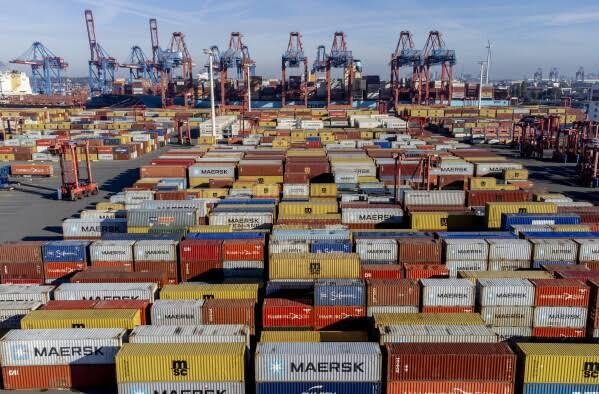
Trade policy represents another important source of uncertainty. Tariffs, export restrictions and retaliatory measures can increase costs for manufacturers and weaken the efficiency of global supply chains.
International trade has long supported economic development by allowing countries to specialise, access larger markets and obtain essential raw materials and technologies. However, rising trade barriers can interrupt these benefits, particularly for businesses that depend on imported components or international distribution networks.
Smaller economies and developing countries may face additional difficulties because they often have fewer resources to absorb higher import costs or redirect exports to alternative markets.
Persistent trade tensions could also affect business confidence and investment decisions. Companies facing uncertainty over tariffs and market access may delay hiring, reduce capital expenditure or shift production to other locations. Such adjustments can create short-term costs even when they are intended to improve long-term supply-chain resilience.
Greater policy predictability, constructive negotiations and cooperation between trading partners would therefore help reduce uncertainty and support sustainable economic expansion.
Financial Risks Could Complicate Recovery
The IMF’s warning also draws attention to vulnerabilities in the international financial system. High borrowing costs, elevated debt burdens, volatile asset prices and sudden changes in investor sentiment can create challenges for governments, companies and households.
Countries with substantial public debt may have less room to increase spending when economic conditions deteriorate. Meanwhile, businesses facing expensive credit may postpone investment, limiting productivity improvements and employment creation.
Financial markets can also react sharply to unexpected developments. A sudden reassessment of economic prospects or monetary policy may trigger capital outflows from vulnerable emerging markets, placing pressure on exchange rates and increasing the cost of servicing foreign-currency debt.
Although financial markets can support growth by directing capital towards productive activities, excessive risk-taking and weak financial oversight can amplify economic shocks.
Maintaining effective regulation, transparent financial institutions and credible economic policies will be important to reduce these vulnerabilities.
Implications for Emerging Economies
For emerging and developing economies, the global growth outlook presents both opportunities and challenges. Continued expansion in international demand could support exports, industrial production, tourism and employment. However, these benefits will depend on domestic economic conditions and the ability of individual countries to manage external shocks.
Economies that rely heavily on commodity exports may experience fluctuating revenues as global prices change. Countries dependent on imported energy, food or industrial inputs could face renewed inflationary pressures if international prices rise.
Access to affordable financing will also remain essential. Governments need resources to invest in infrastructure, education, healthcare, technology and climate resilience, but debt pressures can restrict their ability to undertake these investments.
Strengthening domestic demand, diversifying exports, improving productivity and expanding workforce skills can help emerging economies become more resilient to global uncertainty.
Policy Priorities for Sustainable Growth
The projected expansion of the global economy will require coordinated and credible policy responses. Governments must balance the need to support economic activity with the importance of maintaining fiscal sustainability and price stability.
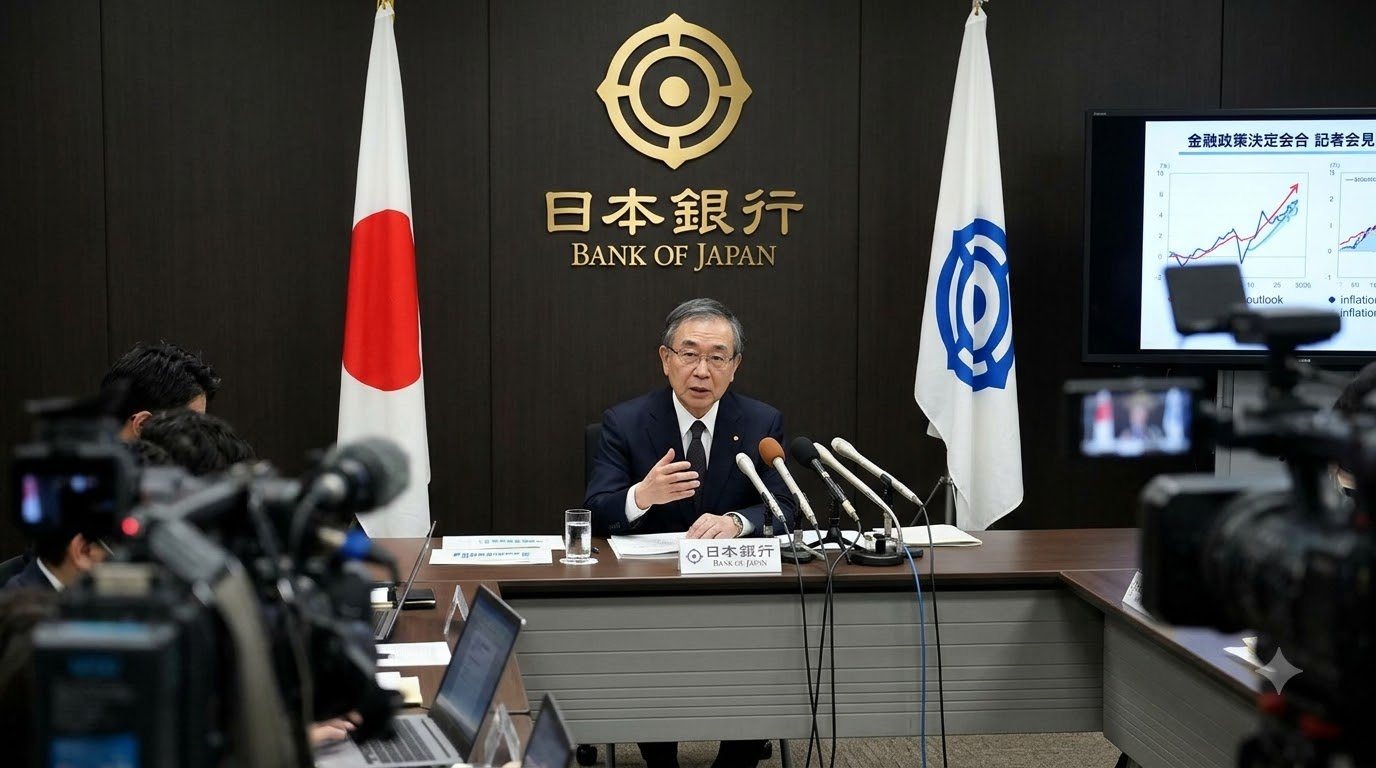
Central banks will need to assess inflation trends, labour-market conditions and financial risks carefully when making monetary policy decisions. Premature easing could allow inflation to rise again, while excessively restrictive policies could weaken investment and employment.
Fiscal policy should focus on protecting vulnerable households and supporting productive investment without creating unsustainable debt burdens. Structural reforms that improve competition, strengthen institutions and encourage innovation can also raise long-term growth potential.
International cooperation remains equally important. Dialogue on trade, coordinated responses to financial stress and efforts to maintain reliable supply chains can help limit the cross-border effects of economic disruptions.
The Worldonomics Times View
The Worldonomics Times believes that the IMF’s global growth projections highlight the need for a balanced approach to economic development, international cooperation and financial stability. While projected growth of 3.1% in 2026 and 3.4% in 2027 signals continued economic activity, the outlook also serves as a reminder that growth cannot be taken for granted in an increasingly uncertain world.
Governments must prioritise policies that encourage investment, strengthen domestic industries, support job creation and improve productivity. At the same time, countries should avoid unnecessary trade disputes and work towards constructive international partnerships that benefit businesses and consumers alike.
Emerging economies, in particular, need to build resilience by diversifying their economies, strengthening public finances and investing in infrastructure, education and technology. Such measures can help them withstand external shocks while creating opportunities for sustainable development.
In our view, the real measure of economic progress is not simply the rate of GDP growth, but whether that growth translates into better livelihoods, greater employment opportunities and improved living standards. As the global economy moves through 2026 and beyond, responsible policymaking and international collaboration will be essential to turn cautious optimism into durable, inclusive prosperity.
Conclusion: Resilience Will Depend on Policy Choices
The IMF’s projected global growth of 3.1% in 2026 and 3.4% in 2027 offers a cautiously encouraging picture of the world economy. However, these figures should not be interpreted as a guarantee of uninterrupted recovery.
Geopolitical conflicts, trade tensions and financial vulnerabilities could weaken economic performance if they intensify or remain unresolved. At the same time, sound policymaking, stronger international cooperation and sustained investment in productivity can help economies navigate uncertainty.
For businesses, investors and governments, the message is clear: resilience and adaptability will be essential in the years ahead. The global economy may continue to grow, but the strength and sustainability of that growth will depend on how effectively countries manage risks, preserve stability and create conditions for broad-based economic opportunity.