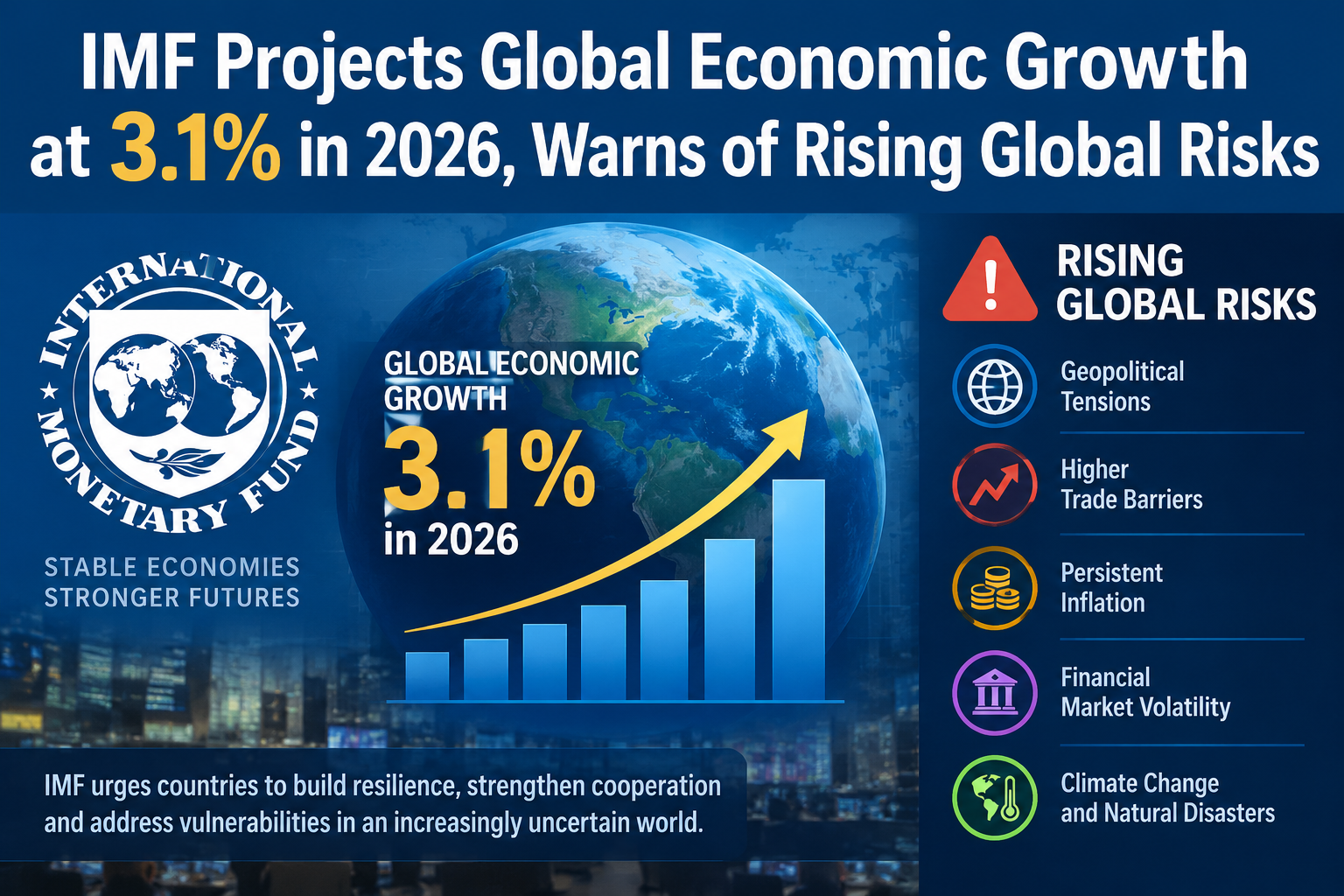
Rising public debt and escalating geopolitical tensions in the Middle East are shaping the global economic outlook, raising concerns over energy prices, inflation, borrowing costs and the ability of governments to respond to future shocks.
The Worldonomics Times | 28 October 2026
Global Economic Concerns Intensify
Global debt and the continuing conflict in the Middle East have emerged as major concerns for policymakers, investors and business leaders. While governments are attempting to support economic growth and maintain financial stability, rising debt-servicing costs and geopolitical uncertainty are narrowing their options.
The two issues are closely connected. Conflict in the Middle East can disrupt energy supplies, increase transportation costs and create volatility in financial markets. These developments can push inflation higher and weaken economic growth. At the same time, governments already carrying substantial debt may have limited fiscal capacity to protect households and businesses from rising costs.
The result is a complicated economic environment in which policymakers must balance inflation control, financial stability, national security and the need to sustain employment and investment.
Rising Global Debt Limits Government Flexibility
Public debt has become a central issue in economic policy discussions as governments face growing financing requirements. Spending pressures related to infrastructure, defence, healthcare, social protection and ageing populations are competing with the need to maintain sustainable public finances.
Higher interest rates have made the situation more difficult. As governments refinance maturing debt and issue new bonds, they may have to pay more to attract investors. Consequently, a larger share of public revenue can be directed towards interest payments rather than productive investment and essential services.
The implications extend beyond government budgets. When borrowing costs rise, businesses may delay expansion plans, while households can face more expensive mortgages and other loans. Reduced investment and consumption can weaken economic activity, making it harder for governments to increase revenue and manage their debt burdens.
High debt does not automatically lead to a crisis. Countries with credible institutions, strong revenue systems and manageable repayment schedules can sustain significant borrowing. However, persistent deficits combined with higher financing costs can leave governments more vulnerable to sudden changes in investor confidence.
Middle East Conflict Creates Fresh Economic Risks
The Middle East occupies a strategically important position in global energy markets and international shipping. Any escalation of conflict in the region can therefore have consequences far beyond the countries directly involved.
Disruptions to oil and natural gas supplies can push energy prices higher, increasing costs for transport, electricity, manufacturing and agriculture. Even when physical supplies remain available, uncertainty over shipping routes and future production can cause businesses and investors to demand additional protection against risk.
The Strait of Hormuz is particularly important because it serves as a major route for international oil and gas shipments. Serious disruption in or around the strait could affect energy supplies and freight movements, with consequences for both energy-importing and energy-exporting economies.
Higher energy prices can also affect food production. Farmers rely on fuel, fertilisers and transportation, while food processors and retailers face increased distribution expenses. These additional costs may eventually reach consumers, adding to inflationary pressure.
The severity of the economic impact will depend on the duration and geographical spread of the conflict, the extent of supply disruption and the ability of global markets to adjust.
Inflation Complicates Monetary Policy
One of the main economic risks arising from geopolitical tensions is renewed inflation. If energy and transportation costs rise sharply, headline inflation can increase even when consumer demand is weakening.
Central banks then face a difficult choice. Maintaining restrictive monetary policy may help prevent inflation expectations from becoming entrenched, but higher interest rates can also increase borrowing costs and slow economic growth. Cutting rates to support demand may provide relief to borrowers, yet it could be difficult if energy-related price pressures remain persistent.
The challenge is particularly significant for economies that are highly dependent on imported fuel. A weaker domestic currency can make oil, gas and other essential imports more expensive, adding another layer of inflationary pressure.
Central banks must therefore distinguish between temporary price increases and more persistent inflation. Clear communication and careful monitoring of wages, inflation expectations and underlying price trends will be essential to avoid unnecessary policy mistakes.
Financial Markets React to Uncertainty
Global financial markets are sensitive to both debt sustainability and geopolitical risk. During periods of uncertainty, investors may move towards assets considered safer, increasing demand for certain government securities while reducing exposure to riskier investments.
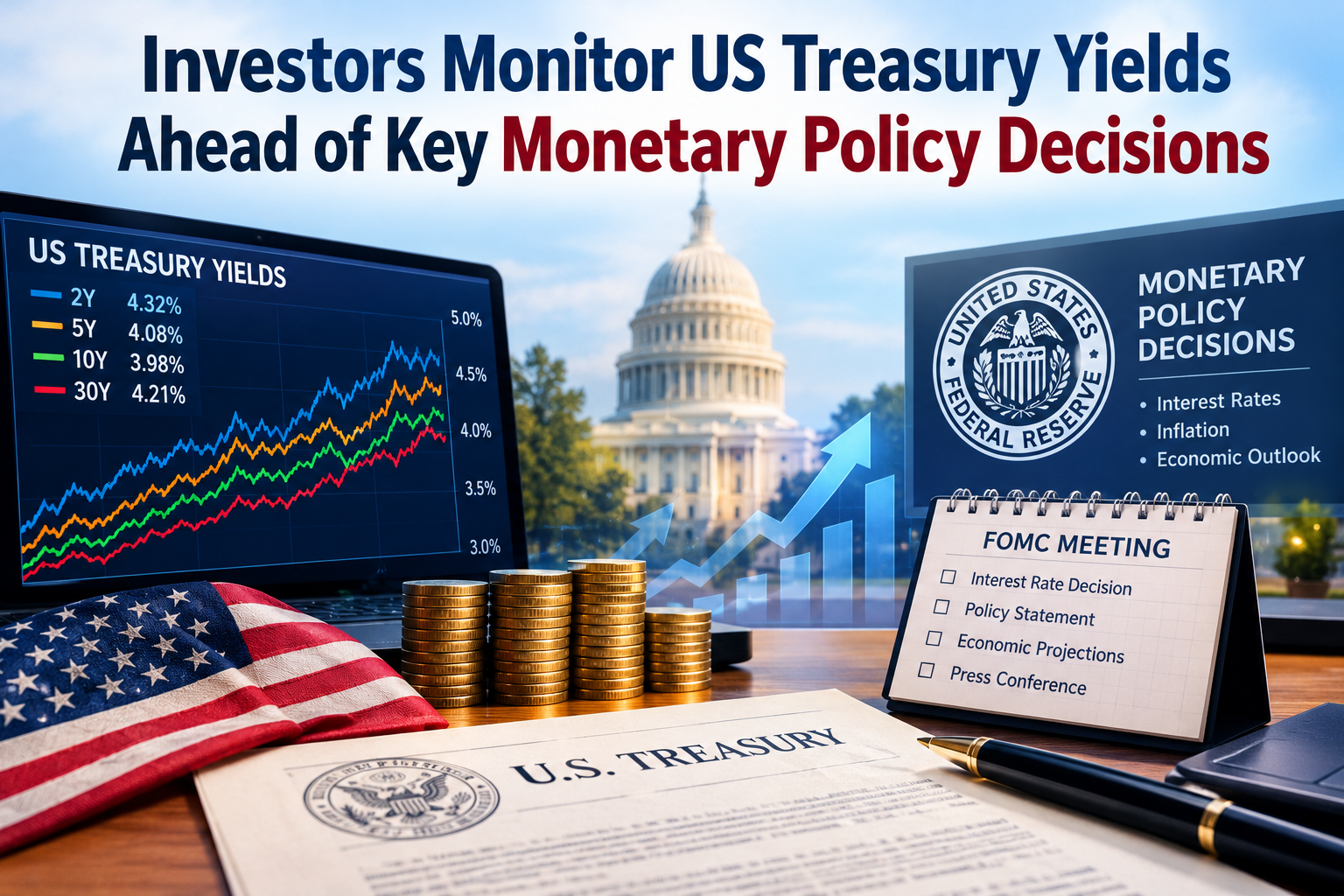
However, the response is not always straightforward. Concerns about government borrowing, inflation and future interest rates can also push sovereign bond yields higher. This raises financing costs and may increase market volatility.
Equity markets can face pressure as investors reassess corporate earnings, energy expenses and future demand. Airlines, transport companies and energy-intensive manufacturers may be particularly exposed to rising fuel costs, while energy producers can benefit from higher commodity prices, depending on their location and operating conditions.
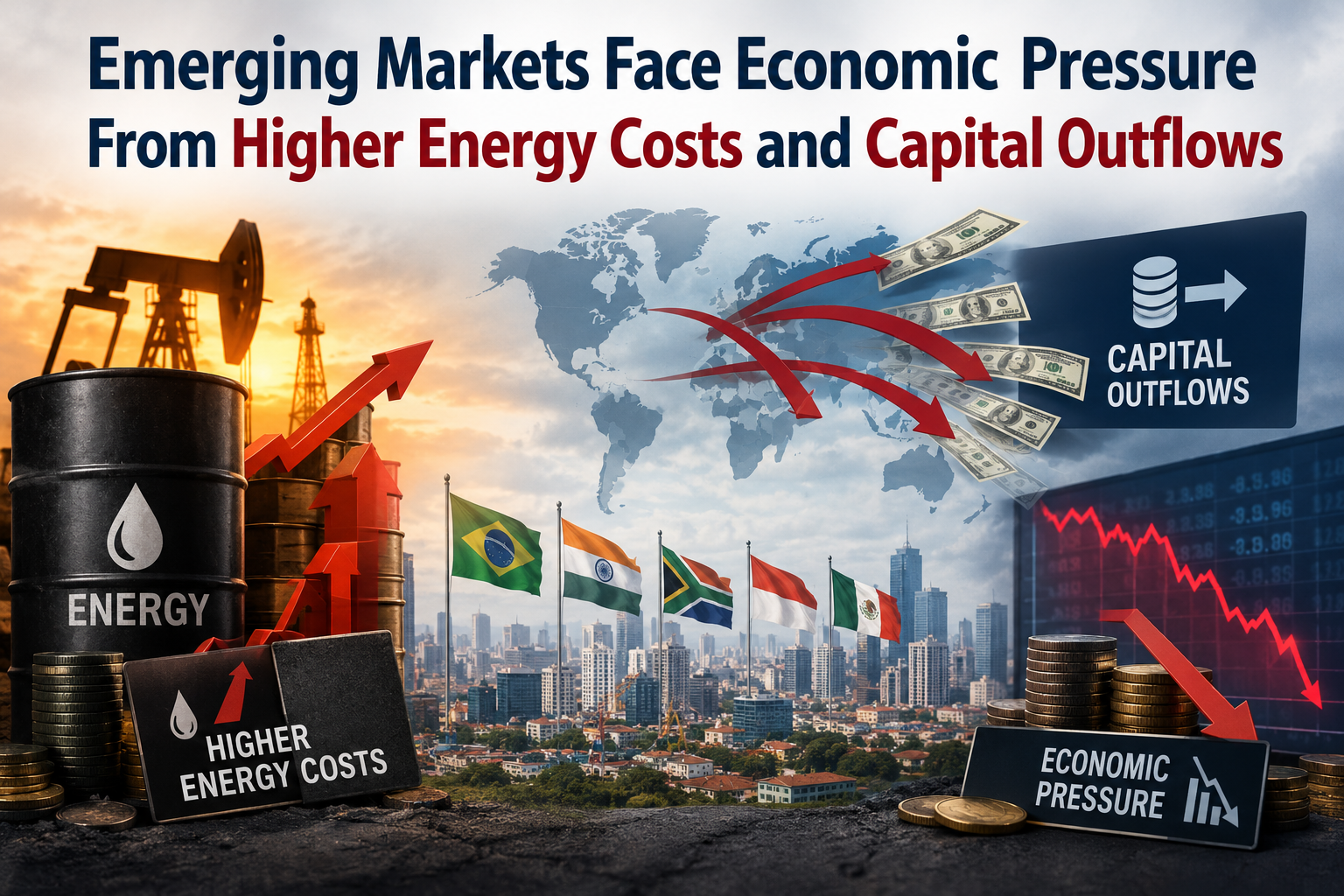
Emerging economies face additional risks if international investors withdraw capital or their currencies weaken. Countries with substantial foreign-currency debt may find repayments more expensive, while those dependent on imported energy can experience pressure on trade balances and public finances.
Developing Economies Face Uneven Consequences
The combination of global debt and Middle East instability is especially challenging for developing economies. Many have significant requirements for infrastructure, education, healthcare and employment creation, but limited access to affordable financing.
Higher global interest rates can make external borrowing more expensive, while energy-price increases raise import bills. Governments may consequently have less room to fund development programmes or provide assistance to vulnerable households.
Nevertheless, the effects differ across countries. Energy exporters may receive higher revenues, while economies with diversified energy supplies, stronger foreign-exchange reserves and prudent fiscal policies may be better positioned to absorb shocks.
Regional cooperation, diversified import sources and investment in domestic renewable energy can reduce exposure to external disruptions over time.
The Worldonomics Times View
Global debt and the Middle East conflict illustrate how fiscal vulnerabilities and geopolitical risks can reinforce each other. A prolonged conflict could raise energy prices and inflation, while high borrowing costs could make it more difficult for governments to protect their economies from the resulting disruption.
Governments should strengthen medium-term fiscal planning, improve the efficiency of public expenditure and direct borrowing towards investments that support productivity and resilience. At the same time, targeted assistance can help vulnerable households manage increases in essential living costs without creating unsustainable spending commitments.
International cooperation remains equally important. Diplomatic efforts to reduce conflict, protect critical shipping routes and maintain predictable energy supplies can help limit economic damage. Countries should also accelerate energy diversification and strengthen supply chains to reduce dependence on vulnerable routes and markets.
Ultimately, sustainable public finances and geopolitical stability are essential foundations for durable economic growth. Neither challenge can be addressed in isolation. By combining responsible debt management with cooperation, resilience and investment in productive capacity, governments can improve their ability to navigate uncertainty and protect long-term economic development.