By The Worldonomics Times
Category: Global Economy | November 2026
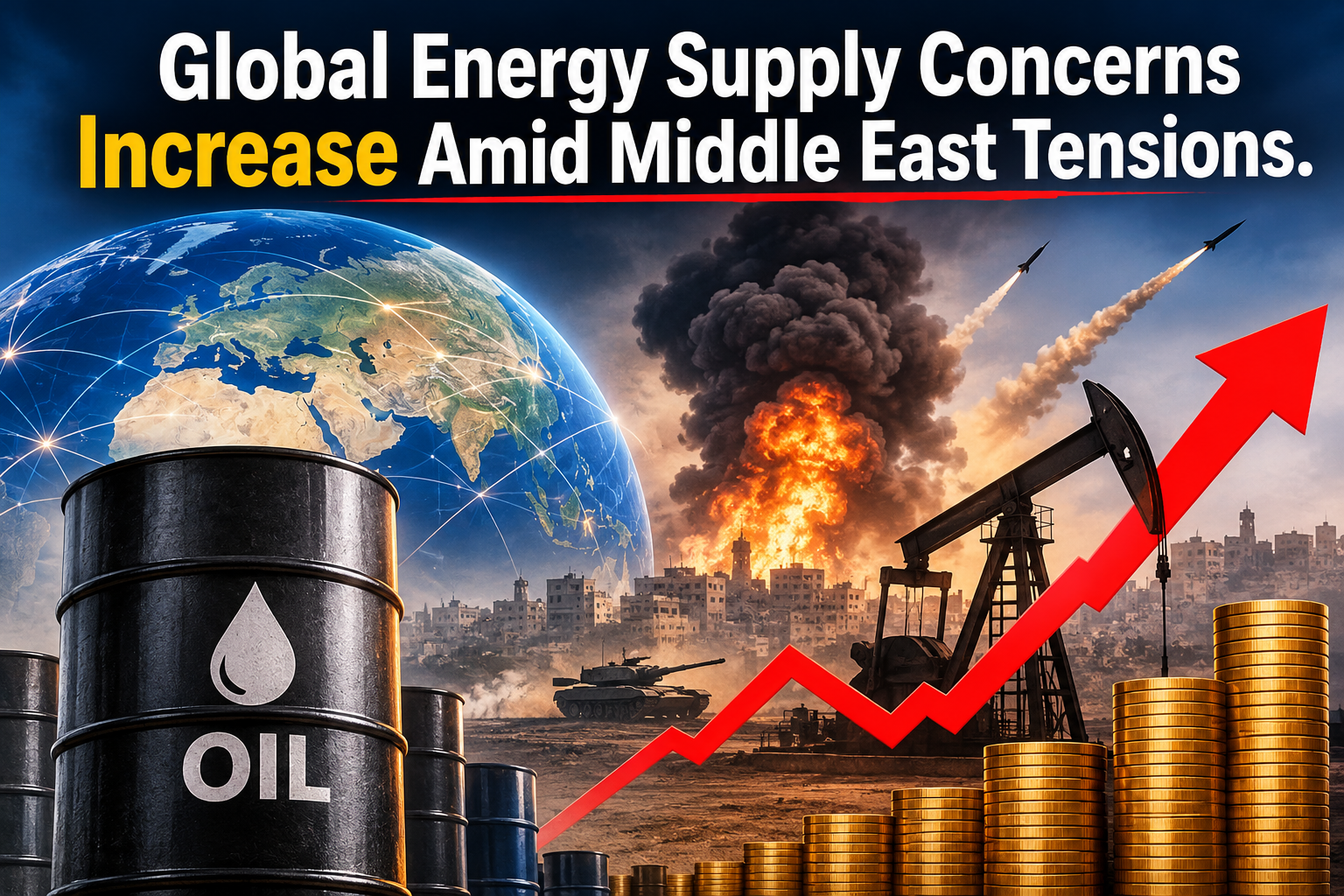
Global energy markets are facing renewed uncertainty as geopolitical tensions in the Middle East raise concerns about the stability of international oil and natural gas supplies. The region remains one of the world’s most important energy-producing areas, making developments there particularly significant for global markets, governments and businesses.
The Middle East plays a crucial role in supplying crude oil and natural gas to international markets. Any disruption to production facilities, transportation routes or export infrastructure can influence energy prices and create uncertainty across the global economy. As geopolitical risks continue to attract international attention, countries are increasingly focusing on energy security, supply chain resilience and alternative sources of energy.
Middle East Remains Central to Global Energy Security
The Middle East has considerable influence over global energy supply because of its major oil and gas reserves and strategic transportation routes. Countries including Saudi Arabia, the United Arab Emirates, Iraq, Iran and Qatar are important participants in international energy markets.
One of the most strategically significant routes is the Strait of Hormuz, through which a substantial share of internationally traded petroleum passes. Any disruption to shipping activity in this narrow waterway could affect oil transportation and increase concerns among energy-importing nations.
Geopolitical tensions, military developments and diplomatic disagreements can also influence investor confidence and the expectations of energy traders. Even when physical supplies remain available, uncertainty surrounding future deliveries can contribute to price volatility in international markets.
Oil and Natural Gas Markets Face Uncertainty
International oil markets are particularly sensitive to geopolitical developments in major producing regions. Concerns about possible supply disruptions can influence crude oil prices, transportation costs and purchasing decisions.
Natural gas markets are also exposed to regional instability. Qatar is a major exporter of liquefied natural gas (LNG), supplying energy to several countries across Asia and Europe. Any disruption to LNG production or transportation could affect international buyers, particularly economies that depend heavily on imported natural gas.
Energy-importing nations are therefore monitoring developments closely and evaluating their strategic reserves, alternative suppliers and long-term energy procurement arrangements.
Rising Energy Costs Could Affect the Global Economy
Energy prices have a direct impact on several sectors, including manufacturing, transportation, agriculture and logistics. When oil and natural gas prices increase, businesses may face higher operating expenses, which can eventually affect consumer prices.
Airlines, shipping companies and road transportation operators are particularly sensitive to changes in fuel costs. Similarly, energy-intensive industries such as steel, cement, chemicals and fertilisers can experience significant financial pressure when energy expenses rise.
Higher energy costs may also contribute to inflation, reducing household purchasing power and creating additional challenges for central banks. Developing economies that rely heavily on imported fuel can face increased pressure on foreign exchange reserves, trade balances and government budgets.
Asia and Europe Assess Energy Security Risks
Asian economies are among the major importers of Middle Eastern energy. Countries such as China, India, Japan and South Korea depend on international oil and gas supplies to support their industrial activities and domestic consumption.
Any prolonged disruption in regional energy transportation could therefore create challenges for manufacturing, electricity generation and economic growth across Asia.
European countries are also continuing to focus on energy diversification following previous disruptions in international energy markets. Governments and energy companies are exploring alternative suppliers, expanding LNG infrastructure and increasing investment in renewable energy projects.
Diversification has become an important part of national energy planning, helping countries reduce their exposure to disruptions in any single region.
Renewable Energy Gains Strategic Importance
The uncertainty surrounding conventional energy supplies is strengthening the importance of renewable energy in long-term economic planning.
Solar, wind, hydropower and other renewable technologies offer opportunities to diversify national energy systems and reduce dependence on imported fossil fuels. Several governments are investing in clean energy infrastructure, battery storage and electricity grid modernisation.
However, the transition to renewable energy requires substantial investment, advanced technology and reliable infrastructure. Conventional fuels will continue to play an important role in many economies during the transition period.
Experts increasingly emphasise the need for a balanced energy strategy that combines reliable traditional supplies with the gradual expansion of cleaner energy sources.
Governments and Businesses Strengthen Preparedness
Governments are focusing on strategic petroleum reserves, diversified import arrangements and stronger energy infrastructure to manage potential supply disruptions.
Businesses are also reassessing their energy procurement strategies. Some companies are entering longer-term supply agreements, improving energy efficiency and exploring alternative fuels to reduce their exposure to market volatility.
International cooperation remains essential in maintaining stable energy markets. Transparent communication, secure shipping routes and diplomatic engagement can help reduce uncertainty and support international energy trade.
The Worldonomics Times View
At The Worldonomics Times, we believe that the latest energy security concerns highlight a fundamental challenge facing the global economy: the need for reliable, affordable and sustainable energy supplies.
Geopolitical tensions demonstrate how dependent international markets remain on a limited number of strategic energy-producing regions and transportation routes. Countries must therefore move towards greater energy diversification rather than relying excessively on a single source or supplier.
Governments should prioritise strategic reserves, modern infrastructure, regional energy partnerships and investment in renewable technologies. At the same time, diplomatic dialogue and international cooperation should remain central to protecting critical energy transportation networks.
We believe that energy security is not simply an issue for oil-producing or importing countries; it is a shared global economic responsibility. A stable and diversified energy system will be essential for protecting industries, supporting employment and maintaining sustainable economic growth.
Conclusion
Global energy supply concerns amid Middle East tensions underline the close relationship between geopolitics and economic stability. Any disruption to major production or transportation networks can have consequences for energy prices, international trade, inflation and industrial activity.
Although countries are increasingly investing in renewable energy and alternative suppliers, conventional energy sources remain important to the global economy. Strengthening supply chain resilience, maintaining strategic reserves and encouraging international cooperation will be crucial in managing future uncertainties.
The ability of governments and businesses to adapt to changing energy conditions will play a significant role in determining the stability of global markets in the coming years.
The Worldonomics Times
Beyond Headlines, Understanding the World Economy.