By The Worldonomics Times
Category: Global Economy & Cost of Living | November 2026
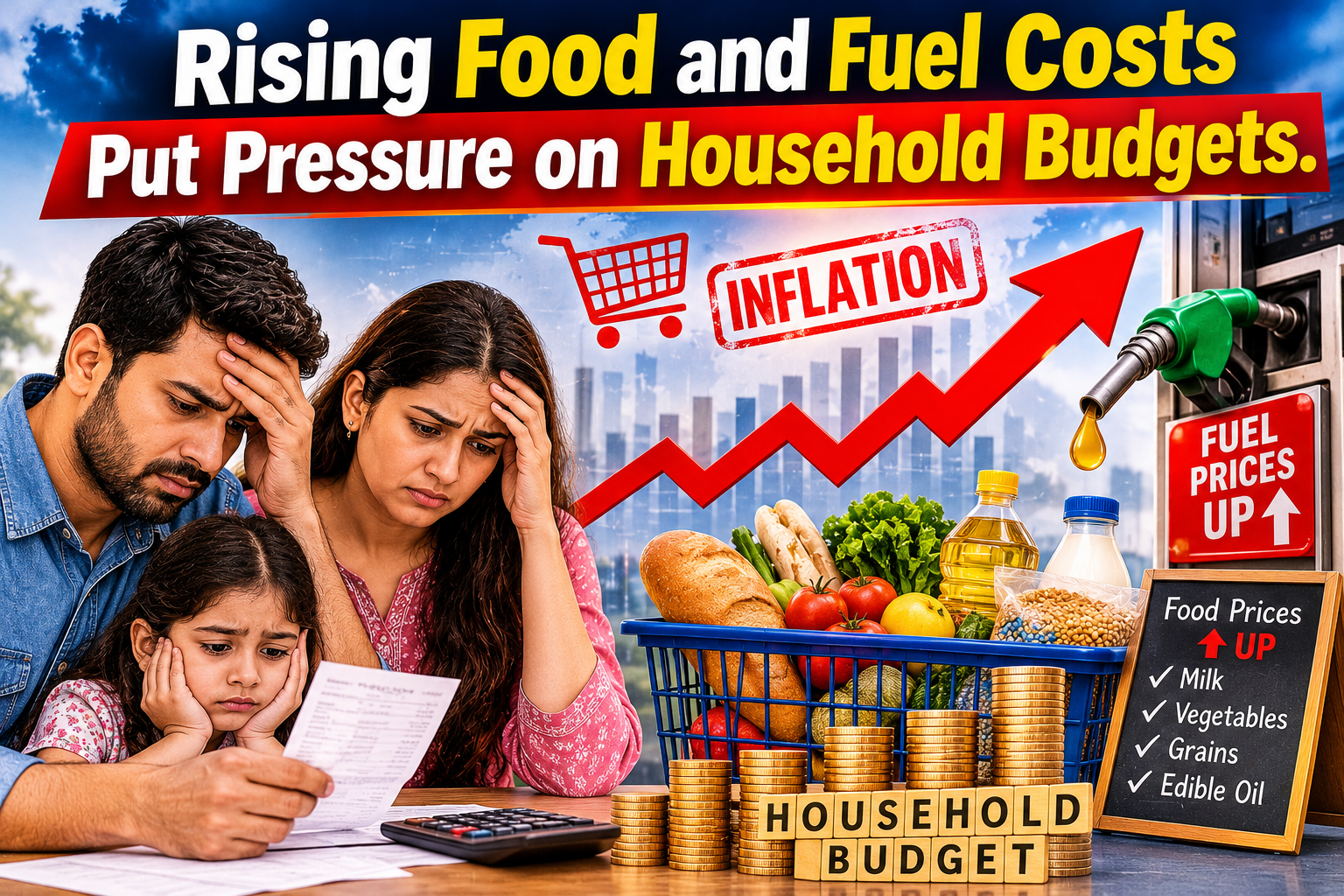
Rising food and fuel prices are creating increasing financial pressure on households across the world, as inflation, supply chain disruptions and changing global energy markets affect the cost of everyday living. From groceries and transportation to electricity and essential services, families in several economies are facing challenges in managing their monthly expenses.
The rising cost of essential commodities has become an important economic concern for governments, businesses and consumers. While some countries have experienced improvements in inflation compared with previous periods, the affordability of food, fuel and housing continues to influence household financial stability.
The situation is particularly challenging for low- and middle-income families, which generally spend a larger proportion of their income on essential goods and services. As living costs increase, households may have less money available for savings, education, healthcare and other important expenses.
Food Prices Continue to Affect Household Spending
Food inflation remains a significant concern in many parts of the world. Prices of essential commodities such as wheat, rice, cooking oil, vegetables, dairy products and meat can be influenced by agricultural production, transportation expenses, weather conditions and international commodity markets.
Climate-related disruptions, including droughts, floods and changing rainfall patterns, can affect agricultural output and create uncertainty in food supply. In addition, higher fertiliser, fuel and electricity costs can increase the expenses associated with farming, food processing and distribution.
When production and transportation costs rise, businesses may pass a portion of these expenses on to consumers. This can make everyday grocery shopping increasingly expensive, particularly for households with limited financial flexibility.
Developing economies are especially vulnerable when food prices rise because essential food products account for a significant share of household expenditure.
Rising Fuel Costs Increase Transportation Expenses
Fuel prices play an important role in determining the overall cost of living. Higher petrol, diesel and natural gas prices can affect transportation, logistics, manufacturing and electricity generation.
For individuals who depend on private vehicles or public transportation, increasing fuel expenses can reduce the amount of money available for other household needs.
Businesses also face additional costs when fuel prices increase. Transport companies, delivery services, airlines and agricultural businesses depend heavily on fuel for their operations.
Higher logistics expenses can eventually influence the prices of food, clothing, construction materials and other consumer products. This creates a wider economic impact, extending beyond the energy sector.
International energy markets, geopolitical developments and changes in global oil production can all influence fuel prices, making energy affordability an important concern for importing and exporting countries.
Inflation Reduces Household Purchasing Power
Persistent inflation can gradually reduce the purchasing power of household incomes. When prices increase faster than wages, consumers may find it difficult to maintain their existing standard of living.
Families may respond by reducing discretionary spending, choosing less expensive products or postponing major purchases. Expenses related to entertainment, travel, restaurants and consumer electronics may receive lower priority as households focus on essential needs.
For lower-income families, even relatively small increases in food and fuel prices can create considerable financial difficulties.
Central banks use monetary policy tools, including interest rates, to manage inflation. However, controlling inflation while maintaining employment and economic growth remains a complex challenge.
Impact on Developing and Emerging Economies
Developing economies often face additional difficulties when international food and energy prices increase. Countries that depend heavily on imported petroleum, fertilisers or food products may experience pressure on their trade balances and foreign exchange reserves.
Currency depreciation can make imported commodities more expensive, further increasing domestic inflation.
In India, household budgets are influenced by prices of essential food products, cooking gas, transportation and electricity. Rural households may also experience the effects of changing agricultural input costs, while urban families face expenses related to commuting, housing and daily consumption.
Similar challenges are being experienced across parts of Africa, Southeast Asia and Latin America, where household income levels and access to social protection vary considerably.
Businesses and Consumers Adjust to Changing Costs
Rising household expenses are also influencing business strategies. Retailers, restaurants, manufacturers and transportation companies are reviewing pricing structures and operational expenses to manage changing costs.
Some businesses are introducing affordable product alternatives, improving supply chain efficiency and reducing unnecessary expenditure to retain customers.
Consumers, meanwhile, are becoming more conscious of spending decisions. Household budgeting, bulk purchasing, energy conservation and comparing product prices are becoming increasingly important strategies for managing everyday expenses.
However, individual budgeting alone cannot resolve broader inflationary pressures. Long-term affordability also depends on stable supply chains, efficient markets and effective economic policies.
Government Measures and Economic Policy Responses
Governments have several policy options to address rising living costs. These include strengthening food distribution systems, improving agricultural productivity, investing in transportation infrastructure and supporting vulnerable households.
Targeted financial assistance, food security programmes and improvements in public transportation can help reduce the impact of higher essential expenses.
Investment in renewable energy and domestic energy infrastructure can also improve long-term energy security and reduce dependence on volatile international fuel markets.
At the same time, policymakers must carefully balance short-term consumer support with responsible public spending and long-term economic sustainability.
The Worldonomics Times View
At The Worldonomics Times, we believe that rising food and fuel costs represent more than an inflation-related challenge; they are directly connected to household financial security, economic equality and overall living standards.
Economic growth must translate into meaningful improvements in the everyday lives of people. When essential expenses increase faster than household incomes, the benefits of economic development may not reach every section of society equally.
Governments should prioritise food security, affordable transportation, efficient energy systems and targeted support for financially vulnerable households. Strengthening agricultural infrastructure, improving storage facilities and reducing unnecessary supply chain costs can also contribute to greater price stability.
We believe that long-term solutions must focus on improving domestic production, encouraging renewable energy investment and creating better employment and income opportunities.
The Worldonomics Times believes that an economy can achieve sustainable progress only when essential goods and services remain accessible and affordable for its people.
Conclusion
Rising food and fuel costs continue to place pressure on household budgets and influence consumer spending across the global economy. Inflation, agricultural challenges, energy market uncertainty and transportation expenses are contributing to the growing cost of everyday living.
Although governments and businesses are taking steps to manage these challenges, improving affordability requires coordinated action, stronger infrastructure and sustainable economic policies.
Ensuring access to affordable food, reliable energy and essential services will remain central to protecting household financial stability and supporting inclusive economic growth.