By The Worldonomics Times
Category: Global Economy & International Trade | November 2026
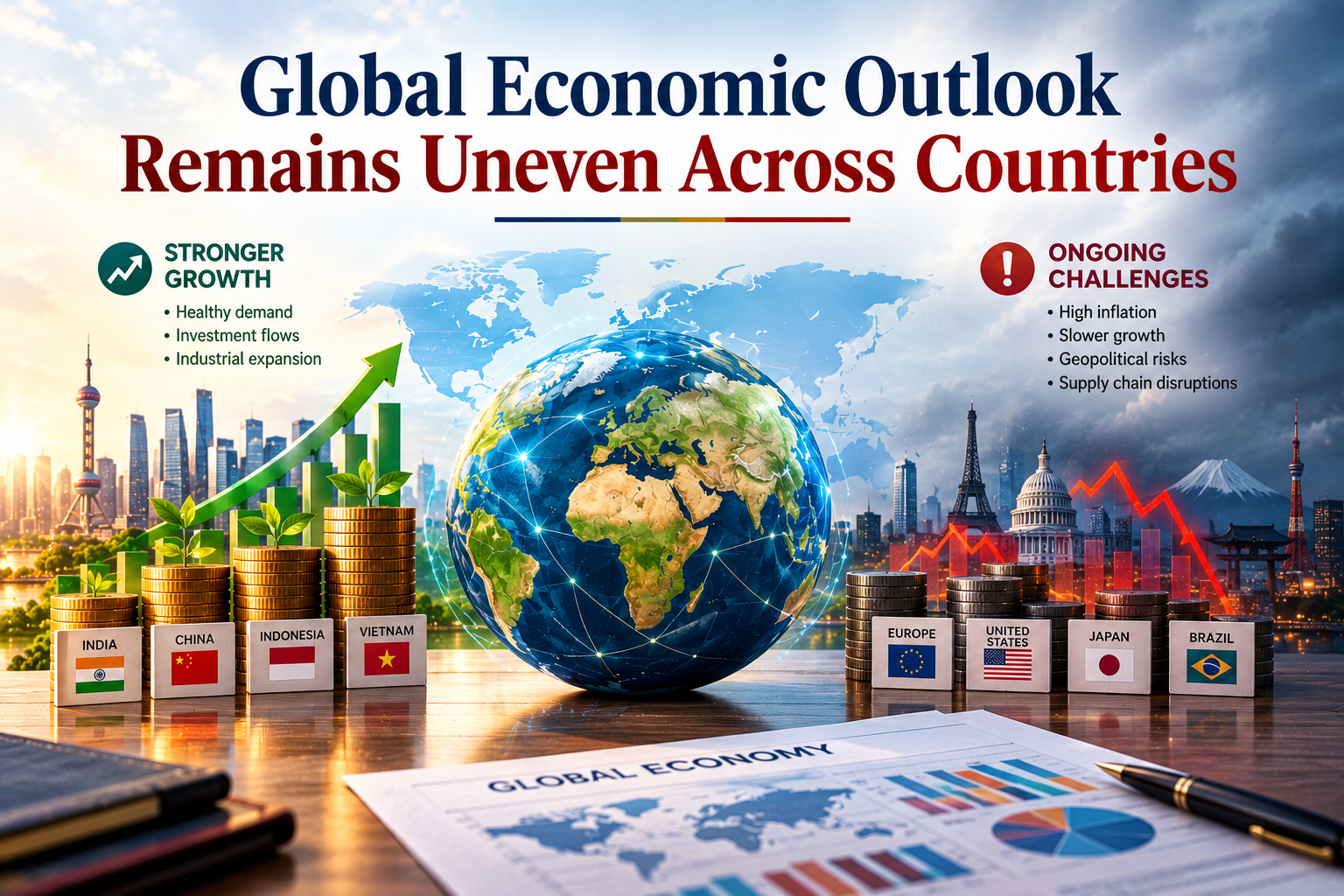
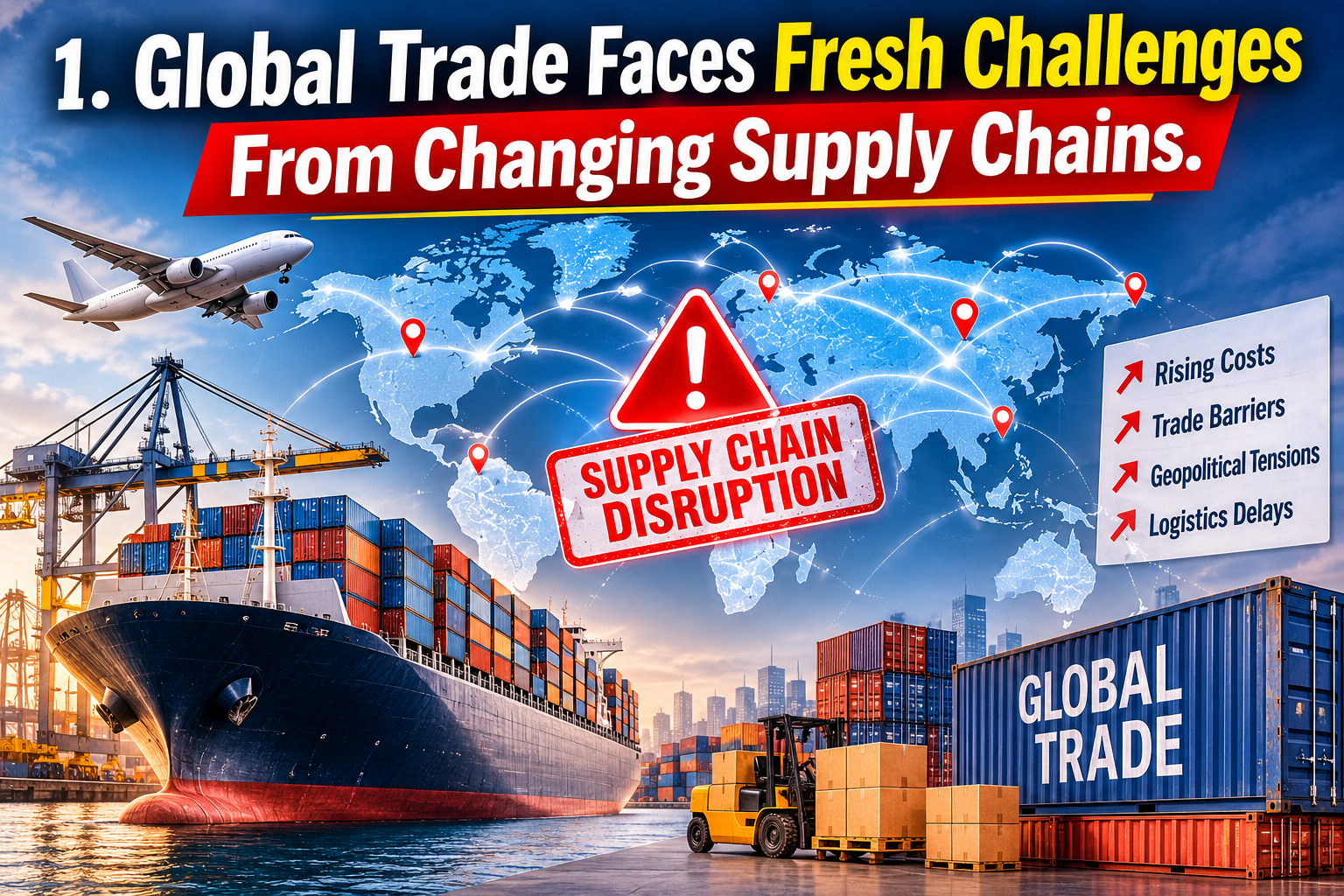
Global trade is undergoing a significant transformation as businesses and governments adapt to changing supply chains, geopolitical tensions, evolving trade policies and shifting economic priorities. International commerce, which has long depended on interconnected manufacturing and transportation networks, is facing increasing pressure to become more flexible, diversified and resilient.
From manufacturing and electronics to agriculture, pharmaceuticals and automotive industries, companies worldwide are reassessing how they source raw materials, manufacture products and deliver goods to international markets. These developments are reshaping global trade relationships and creating both opportunities and challenges for developed and emerging economies.
As international markets become increasingly interconnected, disruptions in one region can have consequences across multiple industries and countries. Businesses are therefore placing greater importance on supply chain security, operational efficiency and long-term strategic planning.
Geopolitical Tensions Reshape International Trade
Geopolitical developments have become a major influence on global supply chain decisions. International conflicts, diplomatic disagreements, economic sanctions and changing trade regulations can affect the movement of goods and essential materials across borders.
Companies that previously depended on a limited number of suppliers are increasingly exploring alternative sourcing locations. This strategy helps reduce exposure to regional disruptions and provides greater flexibility during periods of uncertainty.
Trade restrictions and tariffs are also influencing business decisions. Manufacturers and exporters must increasingly consider changing regulations, customs requirements and international trade agreements when planning their operations.
As a result, global businesses are moving towards more diversified supply networks rather than relying entirely on traditional production centres.
Rising Logistics and Transportation Costs
Transportation remains a critical component of international trade. Shipping, aviation, road freight and railway networks connect manufacturers with consumers across different continents.
However, disruptions to important shipping routes, higher fuel prices, port congestion and increased insurance expenses can raise the cost of transporting goods.
The maritime industry is particularly important because a significant proportion of international merchandise trade moves through ocean shipping. Delays at major ports or disruptions along strategic waterways can affect delivery schedules and increase operating costs for businesses.
These challenges are encouraging companies to reconsider transportation routes, improve inventory management and explore alternative logistics arrangements.
Manufacturing Companies Diversify Production Locations
One of the most significant changes in global supply chains is the growing interest in manufacturing diversification.
For many years, businesses concentrated production in locations that offered competitive labour costs, established industrial infrastructure and access to large supplier networks. However, recent disruptions have highlighted the risks associated with excessive dependence on individual countries or regions.
Companies are increasingly exploring strategies such as nearshoring, reshoring and friendshoring.
Nearshoring involves moving production closer to major consumer markets, while reshoring brings manufacturing activities back to a company’s home country. Friendshoring focuses on sourcing and production partnerships with countries considered reliable trade partners.
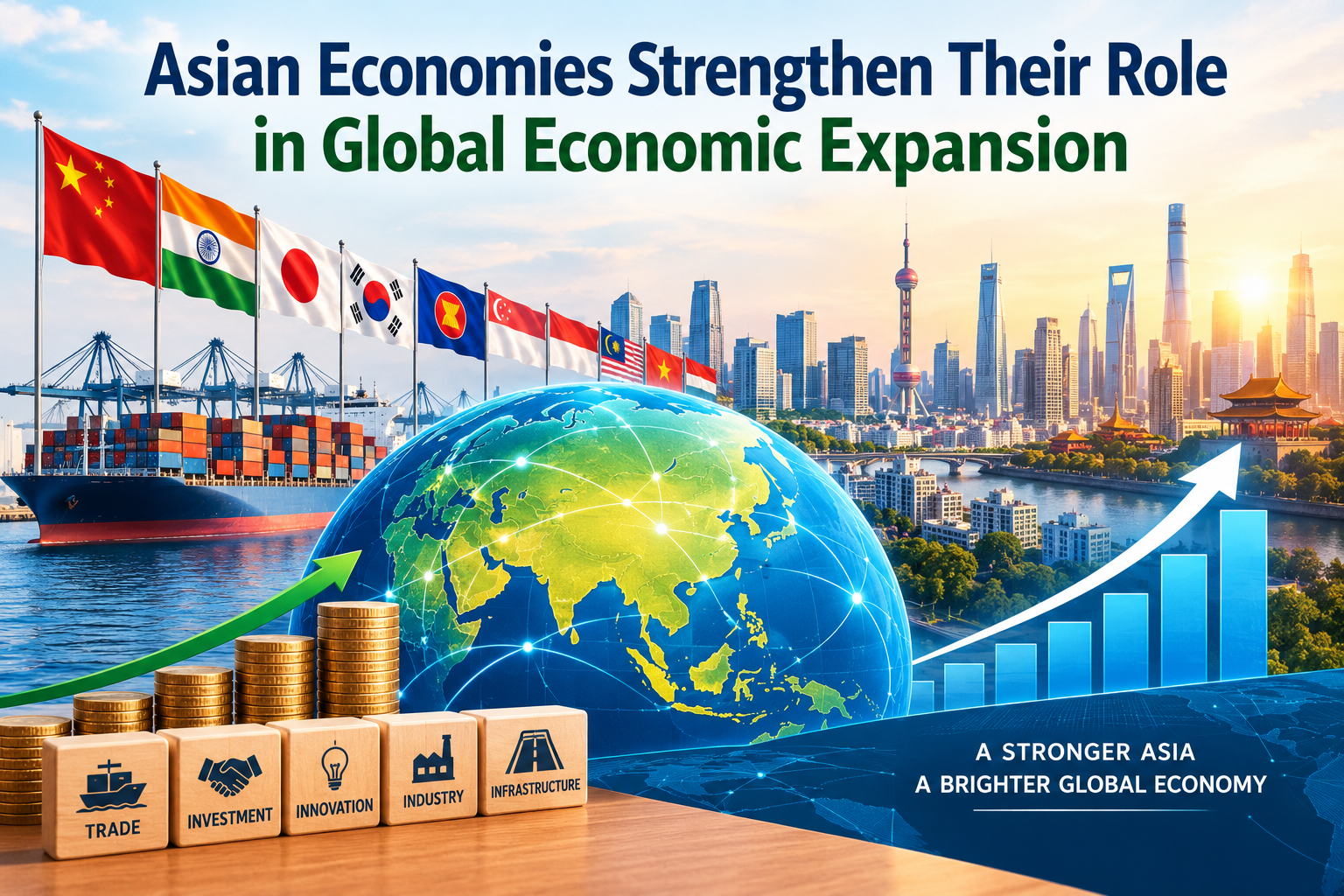
Countries such as India, Vietnam, Indonesia, Mexico and Thailand are attracting attention as businesses seek alternative manufacturing and sourcing destinations.
India Emerges as an Important Manufacturing and Trade Destination
India is strengthening its position in international supply chains through investments in manufacturing, infrastructure, logistics and digital technology.
The country’s large domestic market, skilled workforce and expanding industrial capabilities are creating opportunities in electronics, pharmaceuticals, automobiles, textiles and engineering products.
Government initiatives supporting domestic manufacturing and infrastructure development are also encouraging businesses to explore India as a production and investment destination.
However, improvements in logistics efficiency, port infrastructure, regulatory processes and workforce training remain important for strengthening India’s global competitiveness.
Other emerging economies in Southeast Asia and Latin America are similarly working to increase their participation in international manufacturing networks.
Technology Transforms Supply Chain Management
Digital technology is playing an increasingly important role in improving global supply chain efficiency.
Artificial intelligence, data analytics, automation and blockchain-based systems are helping businesses monitor inventory, forecast demand and improve shipment visibility.
AI-powered forecasting tools can help companies anticipate changes in customer demand and adjust production schedules accordingly. Digital tracking systems also provide greater transparency across transportation and distribution networks.
These technologies can reduce delays, improve resource utilisation and support faster decision-making.
Nevertheless, adopting advanced digital systems requires investment in infrastructure, cybersecurity and skilled professionals. Smaller businesses may face challenges in accessing these technologies.
Small Businesses Face Increasing Pressure
Large multinational companies often have greater financial resources to diversify suppliers and invest in advanced logistics systems. Small and medium-sized enterprises, however, may find it difficult to absorb rising transportation expenses, changing import regulations and higher inventory costs.
Export-oriented small businesses can be particularly vulnerable when international demand weakens or shipping expenses increase.
Governments and financial institutions can support these enterprises through better access to trade finance, digital infrastructure, export assistance and simplified customs procedures.
Strengthening smaller businesses is important because they contribute significantly to employment, industrial development and international trade.
The Worldonomics Times View
At The Worldonomics Times, we believe that the transformation of global supply chains represents a major turning point in international commerce.
Businesses can no longer focus exclusively on reducing production costs. They must also consider supply security, operational flexibility, transparency and long-term sustainability.
We believe governments should prioritise modern transport infrastructure, efficient customs systems, stable trade policies and stronger international partnerships. Encouraging regional cooperation can help countries reduce unnecessary trade barriers and improve access to essential goods and materials.
Emerging economies such as India also have an important opportunity to strengthen their role in global manufacturing. However, achieving this requires consistent investment in infrastructure, technology, workforce development and business-friendly policies.
The Worldonomics Times believes that the future of global trade will depend on building supply chains that are not only cost-effective but also resilient, transparent and capable of adapting to unexpected disruptions.
Conclusion
Global trade is entering a new phase as businesses respond to geopolitical uncertainty, changing regulations, transportation challenges and evolving consumer demand.
Although these developments are creating additional costs and operational difficulties, they are also encouraging innovation, manufacturing diversification and stronger regional partnerships.
Countries that invest in infrastructure, digital transformation and international cooperation can improve their participation in global commerce.
The future of international trade will not depend solely on how efficiently products move across borders, but also on how effectively businesses and governments prepare for an increasingly uncertain economic environment.