By The Worldonomics Times
Category: Global Economy & Financial Markets | November 2026
International stock markets are facing continued uncertainty as investors closely monitor inflation trends, central bank policies and changing global economic conditions. Financial markets across major economies remain sensitive to interest rate expectations, corporate earnings and geopolitical developments, creating fluctuations in investor sentiment.
Stock markets play an important role in the global financial system by connecting businesses seeking capital with investors looking for financial opportunities. However, changing economic conditions can influence investment decisions, market valuations and the overall performance of financial assets. As inflation and borrowing costs remain important concerns, investors are becoming increasingly cautious about the direction of international markets.
Inflation Remains a Major Concern for Investors
Inflation continues to influence financial markets because rising prices can affect consumer spending, business profitability and economic growth. When the cost of essential goods, energy, transportation and raw materials increases, companies may experience higher operating expenses.
Businesses that cannot pass these additional costs on to consumers may face pressure on their profit margins. This can influence corporate earnings expectations and affect the valuation of publicly traded companies.
Investors closely monitor inflation reports because they provide important signals about future monetary policy decisions. Higher-than-expected inflation may increase expectations of tighter monetary conditions, while moderating inflation can improve confidence in the possibility of more supportive financial policies.
Interest Rate Decisions Influence Global Markets
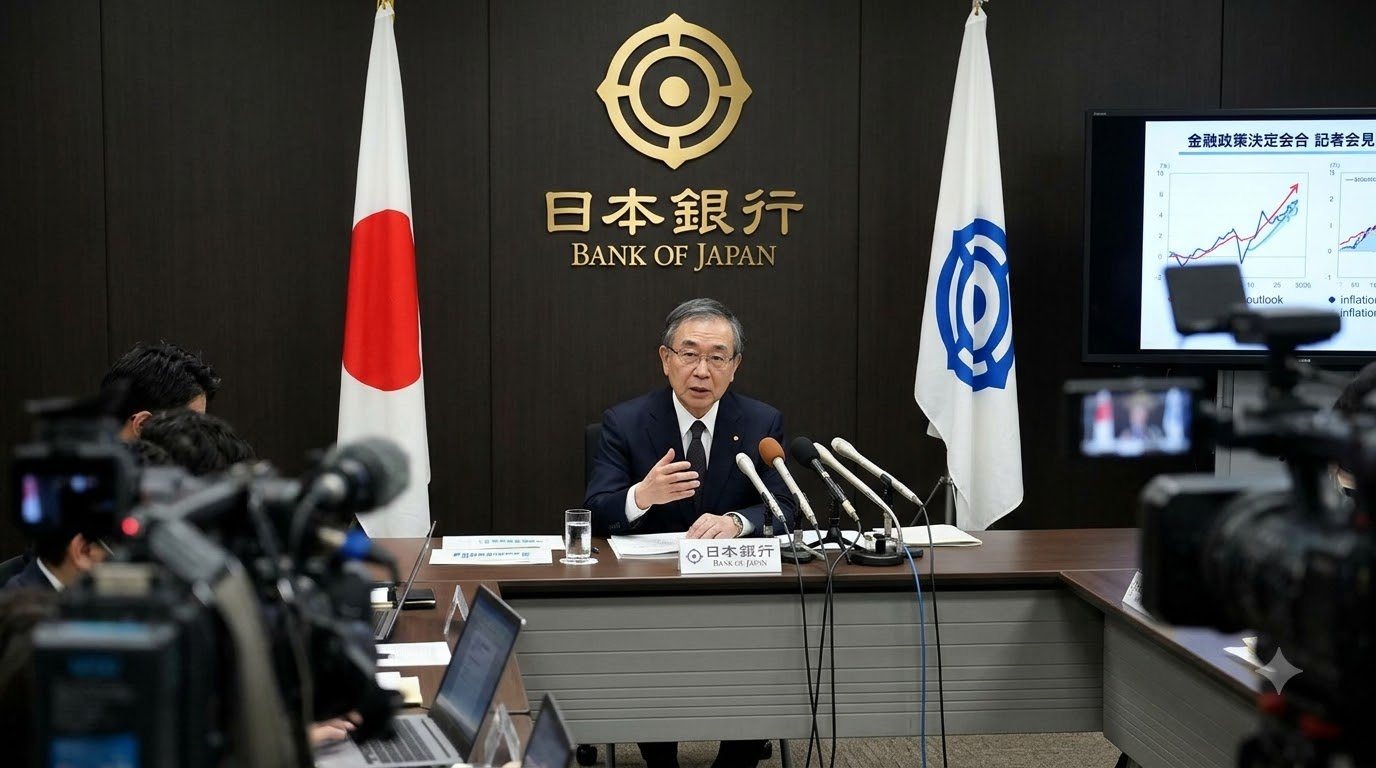
Central banks have a significant influence on international financial markets through their monetary policy decisions. Institutions such as the US Federal Reserve, European Central Bank, Bank of England and Bank of Japan regularly assess inflation, employment and economic growth before determining interest rate policies.
Higher interest rates generally increase borrowing costs for businesses and consumers. Companies may postpone expansion plans, while households may reduce spending because of more expensive loans.
At the same time, higher interest rates can make fixed-income investments more attractive compared with equities, potentially influencing the movement of capital across financial markets.
Lower interest rates, on the other hand, can support borrowing, investment and consumer spending. However, central banks must carefully balance economic growth with the need to maintain price stability.
US Markets Influence International Investor Sentiment
The United States remains one of the most influential financial markets in the world. Movements in major indices such as the S&P 500, Nasdaq Composite and Dow Jones Industrial Average are closely followed by international investors.
Technology companies, financial institutions and large multinational corporations have a significant influence on market performance. Developments in artificial intelligence, semiconductor demand and corporate earnings can also affect investment sentiment.
Changes in Federal Reserve policy expectations are particularly important because US interest rates influence global borrowing costs, currency movements and international capital flows.
When uncertainty increases in US financial markets, investors in other regions may also reconsider their portfolios and exposure to riskier assets.
European and Asian Markets Navigate Economic Uncertainty
European stock markets are responding to concerns surrounding economic growth, industrial activity, inflation and energy costs. Manufacturing performance and consumer demand remain important factors influencing corporate earnings across the region.
Asian financial markets are also experiencing changing investment conditions. Japan, China, India and South Korea remain important destinations for international capital, supported by their industrial capabilities, technology sectors and domestic consumer markets.
In India, investors closely monitor corporate earnings, inflation, foreign institutional investment activity and Reserve Bank of India monetary policy decisions. Domestic economic growth and infrastructure investment also influence long-term market expectations.
Foreign Investment and Currency Movements
International investment flows are another important factor shaping global stock market performance. Institutional investors frequently adjust their exposure to different countries based on interest rate expectations, economic outlooks and currency movements.
Currency fluctuations can affect the returns earned by international investors. A stronger US dollar, for example, can influence emerging market currencies and increase the cost of dollar-denominated debt for some economies.
Foreign institutional investors may also shift capital between developed and emerging markets depending on perceived risks and expected returns.
Technology and Artificial Intelligence Influence Market Performance
Technology companies continue to attract considerable investor attention because of developments in artificial intelligence, cloud computing, automation and semiconductor manufacturing.
AI-related investments have created opportunities for technology businesses and companies providing supporting infrastructure. However, investors are also evaluating whether high company valuations are supported by sustainable earnings and long-term business performance.
This growing focus on profitability and financial fundamentals highlights the importance of careful investment analysis during periods of market uncertainty.
The Worldonomics Times View
At The Worldonomics Times, we believe that inflation and interest rate uncertainty underline the importance of stability, transparency and responsible financial decision-making in global markets.
Stock market fluctuations are a natural part of financial systems, but excessive uncertainty can affect investor confidence and business investment. Central banks should maintain clear communication regarding monetary policy while carefully balancing inflation control with economic growth.
We also believe that investors should focus on long-term economic fundamentals rather than reacting solely to short-term market movements. Corporate profitability, financial transparency, sustainable business models and responsible investment practices remain important considerations.
Emerging markets such as India also have an opportunity to strengthen their financial systems by encouraging domestic investment, improving market transparency and maintaining sound economic policies.
The Worldonomics Times believes that the long-term strength of international financial markets will depend on economic stability, investor confidence, responsible monetary policies and sustainable corporate growth.
Conclusion
International stock markets continue to navigate a complex economic environment shaped by inflation, interest rate expectations and changing global investment trends.
Although market volatility may create challenges for investors and businesses, it also reflects the continuous adjustment of financial markets to new economic information.
Going forward, central bank decisions, corporate earnings, technological developments and international economic conditions will remain important influences on market performance.
A stable financial environment, supported by transparent policies and strong economic fundamentals, will be essential for encouraging investment and supporting sustainable global growth.