Changing political dynamics in Washington, uncertainty over trade policies, tariff disputes and fiscal priorities are raising concerns among international investors, businesses and policymakers about the future direction of the US and global economies.
The United States remains one of the most influential economies in the world, and developments in its political and economic environment have far-reaching consequences for international markets. In November 2026, the US economy is facing a period of heightened uncertainty following significant political changes, growing disagreements over trade policies and concerns about inflation, government spending and financial stability.
The 2026 midterm elections have added another dimension to the economic outlook. The Democratic Party’s victory in both chambers of Congress has created a divided political environment, increasing the possibility of legislative disagreements with President Donald Trump’s administration.
These developments are attracting international attention because decisions taken in Washington can influence global investment flows, international trade relationships, currency movements and business confidence.
Political Changes Reshape the US Economic Outlook
The Democratic Party’s success in the November 2026 midterm elections has significantly changed the political balance in Washington. With Democrats gaining control of both the House of Representatives and the Senate, the administration is expected to face greater scrutiny over its economic policies.
Key areas of disagreement include taxation, government spending, healthcare, immigration, energy policy and international trade.
Although the President retains substantial executive authority, particularly over tariffs and foreign policy, congressional control provides Democrats with important opportunities to influence legislation, government funding and economic oversight.
The possibility of political deadlock could create uncertainty for businesses and investors. Disagreements over federal budgets, borrowing limits and government spending may complicate economic planning and increase concerns about fiscal stability.
Trade Policies and Tariffs Remain Major Concerns
International trade is among the most sensitive areas affected by US political developments.
President Trump’s tariff policies have created uncertainty for trading partners, exporters and multinational companies. Higher import duties can increase the cost of raw materials, manufactured products and consumer goods, affecting both American businesses and international suppliers.
Following the midterm elections, Democratic lawmakers have indicated their intention to challenge aspects of the administration’s tariff strategy and seek a stronger congressional role in trade policy.
However, an immediate reversal of existing tariffs is unlikely. The President retains important executive powers, and legislative efforts to change trade policy could face significant political and legal obstacles.
For countries such as China, Canada, Mexico, India and members of the European Union, the direction of US trade policy will remain an important consideration when planning exports, investments and long-term commercial relationships.
Inflation and Consumer Spending Under Pressure
Inflation remains another major challenge for the US economy.
Higher energy prices, import costs and supply chain disruptions are affecting household budgets and business operations. Rising prices can reduce consumer purchasing power, weaken retail demand and increase pressure on companies to manage operating expenses.
The political debate over affordability has become particularly important following the midterm elections, with voters expressing concerns about the cost of living.
The Federal Reserve faces the difficult task of balancing inflation control with economic growth and employment stability.
If inflation remains elevated, interest rates may stay restrictive for longer, increasing borrowing costs for households and businesses. Conversely, weaker economic activity could encourage policymakers to consider monetary easing.
The direction of US monetary policy will have international implications because changes in American interest rates influence global capital flows, currency markets and investment decisions.
Global Financial Markets React to Political Uncertainty
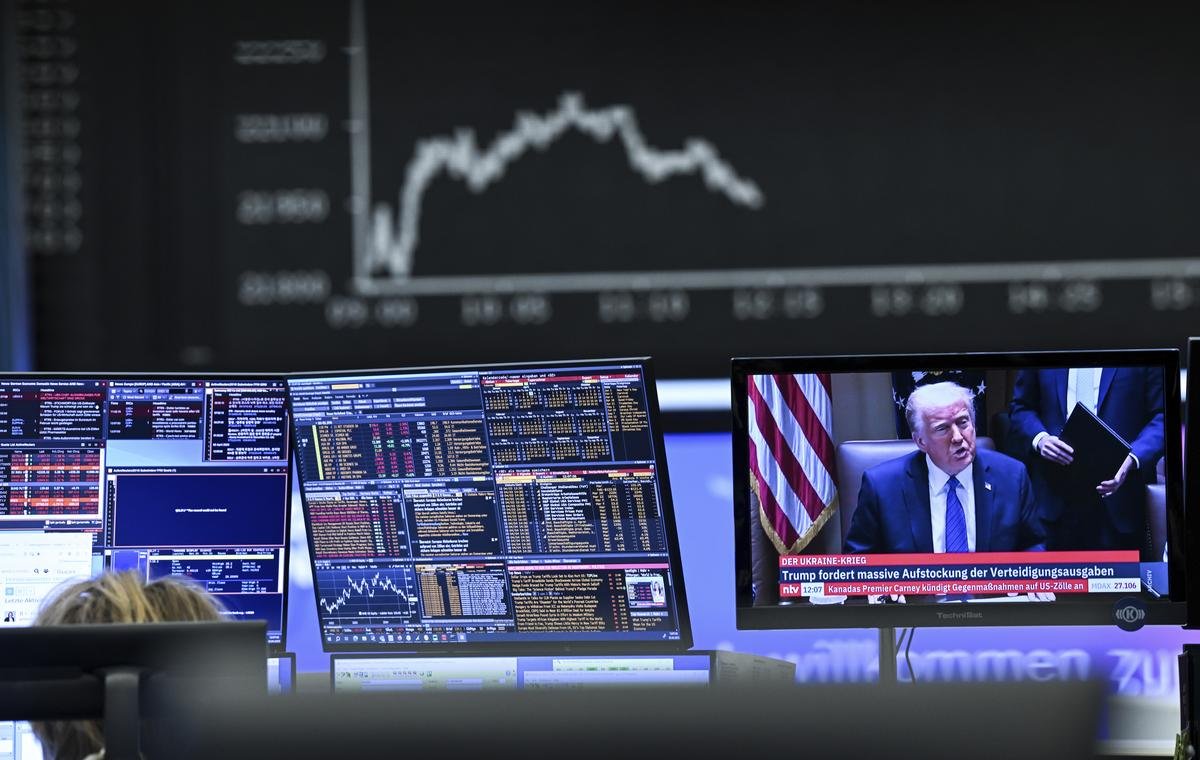
Financial markets are closely monitoring developments in Washington as investors assess the potential consequences of political disagreements.
Uncertainty surrounding tariffs, government spending and regulatory policies can influence stock market valuations, bond yields and the US dollar.
International investors generally prefer predictable policy environments because sudden changes in economic regulations or trade relationships can affect corporate earnings and investment returns.
The possibility of government funding disputes or disagreements over the debt ceiling could also create additional volatility in US Treasury markets.
For emerging economies, changes in US interest rates and investor sentiment are particularly important. Higher American yields can attract international capital towards US financial assets, potentially placing pressure on developing-country currencies and equity markets.
Implications for International Trade and Emerging Economies
The economic consequences of US political developments extend far beyond American borders.
Countries with significant export relationships with the United States may face uncertainty over tariffs, market access and future trade agreements.
European manufacturers, Asian technology companies and developing economies are particularly sensitive to changes in American trade policy.
India, for example, has important economic interests in maintaining strong commercial relationships with the United States. Technology services, pharmaceuticals, engineering goods, textiles and manufacturing are among the sectors that could be influenced by changes in trade regulations.
At the same time, uncertainty in international trade could create opportunities for countries seeking to diversify their supply chains and attract new manufacturing investments.
India could benefit from this development by strengthening its industrial infrastructure, improving export competitiveness and encouraging international companies to establish long-term operations within the country.
What Lies Ahead for the US Economy?
The coming months will be important in determining how the political changes influence economic policy.
Investors will closely monitor congressional discussions concerning tariffs, taxation, government expenditure and the federal budget.
Businesses will also look for greater clarity regarding trade regulations, energy policies and investment incentives.
While political disagreements may slow certain legislative initiatives, they could also encourage negotiations and compromise on selected economic issues.
The long-term performance of the US economy will depend on maintaining price stability, supporting productive investment, managing public debt and preserving confidence in American institutions.
The Worldonomics Times View
At The Worldonomics Times, we believe that the latest political developments in the United States represent an important turning point for the global economic environment.
The United States is not simply a major national economy; it is a central pillar of international trade, finance and investment. Consequently, uncertainty surrounding its domestic policies can quickly influence economic decisions across the world.
In our view, the biggest concern is the possibility that political disagreements could translate into unpredictable economic policies. Businesses require stable regulations, transparent trade arrangements and confidence in long-term investment conditions. Frequent policy changes can discourage investment, increase operating costs and weaken international business relationships.
We believe that the US administration and Congress must prioritise economic stability over political confrontation. Trade policies should encourage fair competition without creating unnecessary disruptions to international supply chains. Similarly, fiscal decisions must balance economic development with responsible public debt management.
For emerging economies such as India, the current situation presents both challenges and opportunities. Strengthening domestic manufacturing, diversifying export markets and attracting long-term foreign investment will be essential to reducing dependence on external economic developments.
The Worldonomics Times believes that the strength of the American economy will ultimately depend not only on its financial and technological capabilities but also on the stability, predictability and credibility of its economic policies.
The global economy needs a United States that promotes constructive international partnerships, responsible trade practices and financial stability. Political competition is a natural part of democracy, but economic uncertainty should not become a permanent feature of international commerce.
Ultimately, the decisions made in Washington over the coming months will help determine whether the global economy moves towards greater cooperation and stability or faces another period of trade tensions and financial uncertainty.