By The Worldonomics Times Editorial Desk
Category: Global Economy | November 2026
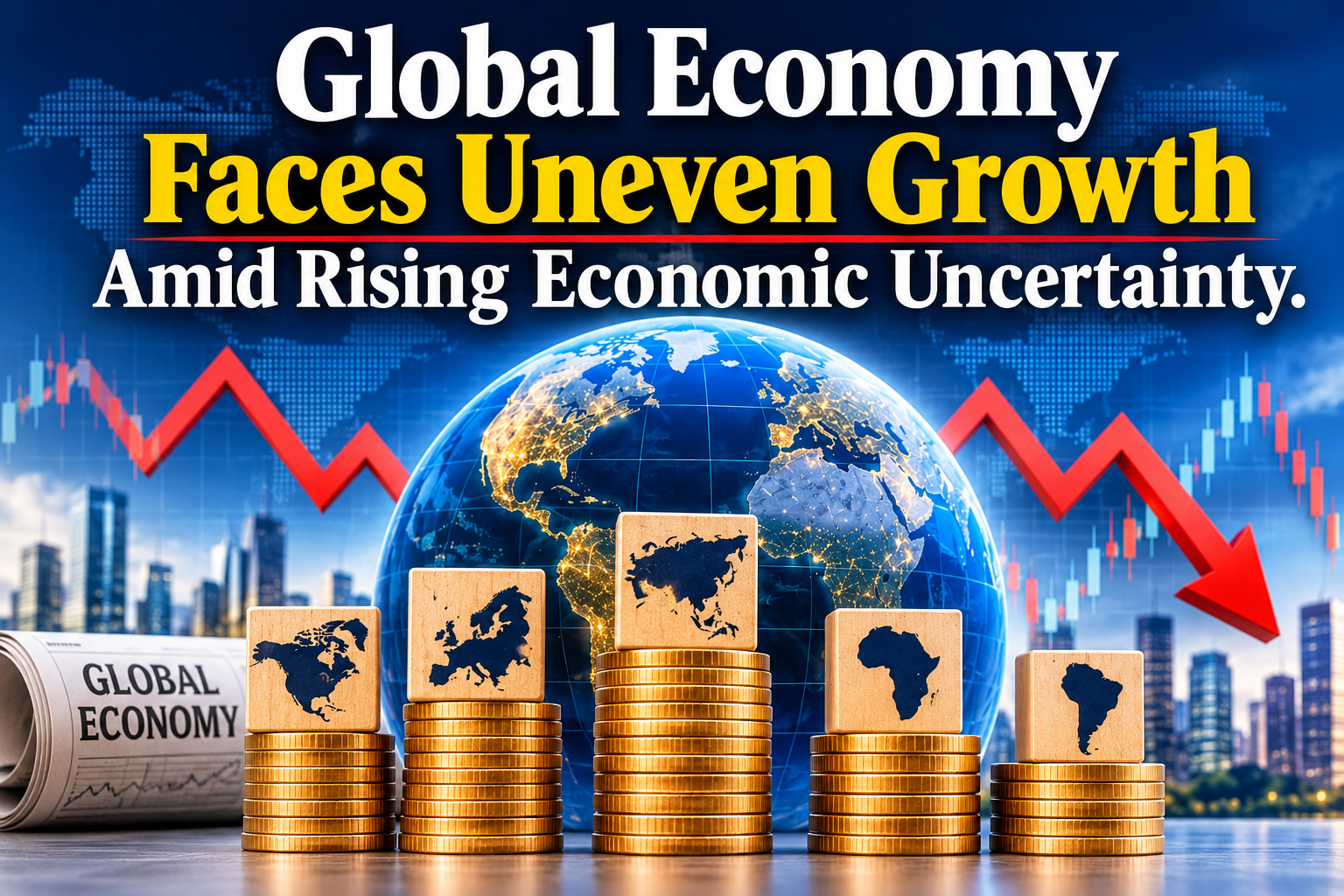
The global economy continues to navigate a challenging period as countries experience uneven growth, persistent inflationary pressures, geopolitical tensions and changing international trade dynamics. While some major economies are demonstrating resilience through technological innovation, strong consumer demand and strategic investments, others are struggling with rising debt, weak industrial activity and financial instability. These contrasting economic conditions are creating an uncertain outlook for global markets and policymakers.
As the world becomes increasingly interconnected, economic developments in one region are having significant consequences for businesses, investors and consumers across the globe. The International Monetary Fund (IMF), World Bank and other international institutions continue to highlight the importance of economic stability, responsible fiscal policies and international cooperation to support sustainable growth.
Uneven Economic Growth Across Major Economies
One of the most significant challenges facing the global economy is the growing difference in economic performance between developed and emerging markets. Advanced economies are dealing with relatively slower growth, high borrowing costs and changing consumer spending patterns. Meanwhile, several emerging economies are attempting to strengthen their industrial sectors, attract foreign investment and expand international trade.
The United States continues to play an important role in global economic activity, supported by its technology sector, financial markets and consumer spending. However, concerns surrounding inflation, government borrowing and interest rate decisions remain important factors influencing its economic outlook.
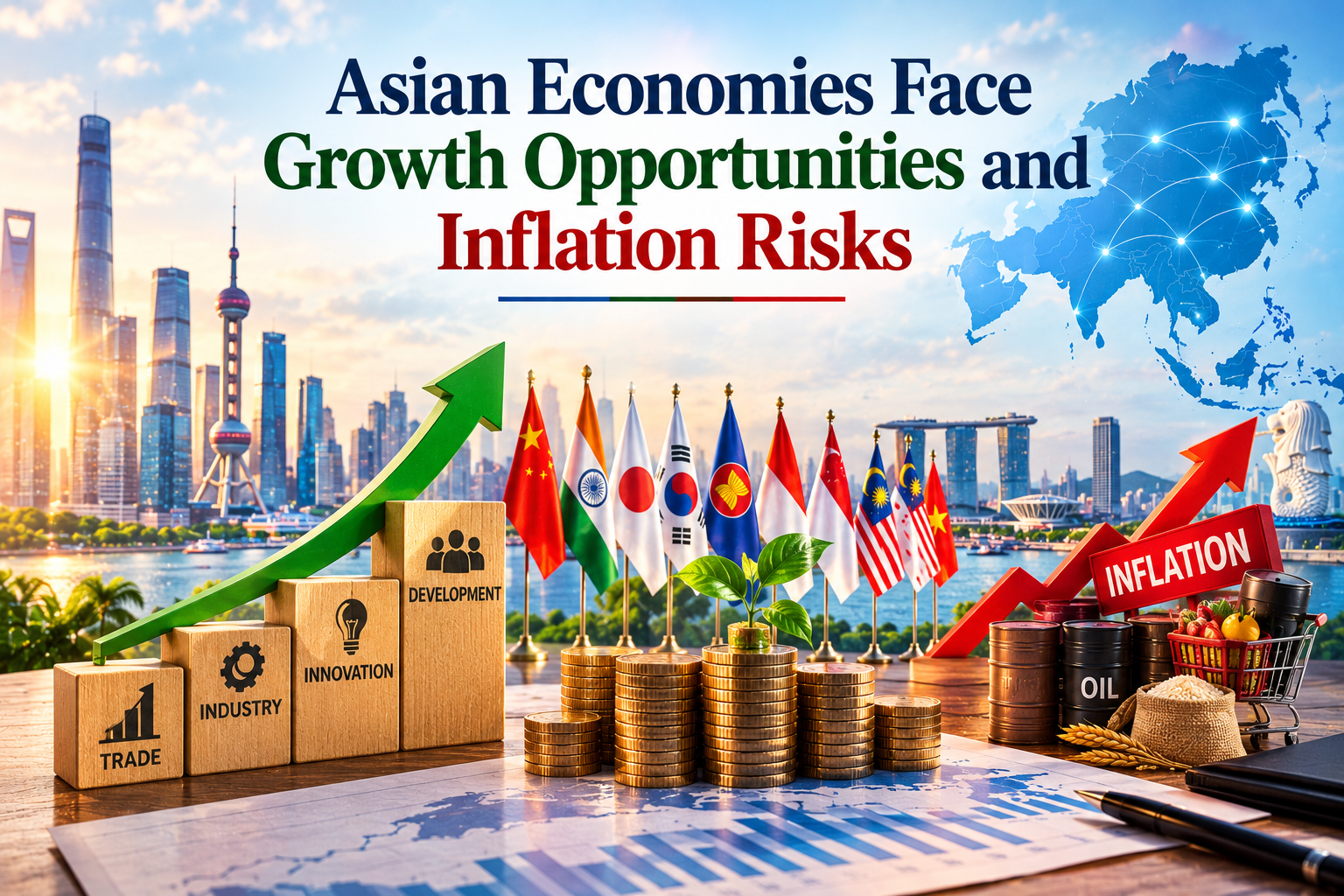
European economies are facing their own set of challenges, including industrial competitiveness, energy costs and subdued demand in certain sectors. Meanwhile, Asian economies continue to benefit from manufacturing, exports and technological development, although external demand and global trade uncertainty remain significant risks.
Inflation and Rising Living Costs Remain Major Concerns
Inflation continues to influence economic decisions across countries. Although price pressures have moderated in some markets compared with previous peaks, the cost of essential goods, housing, transportation and energy remains a concern for households and businesses.
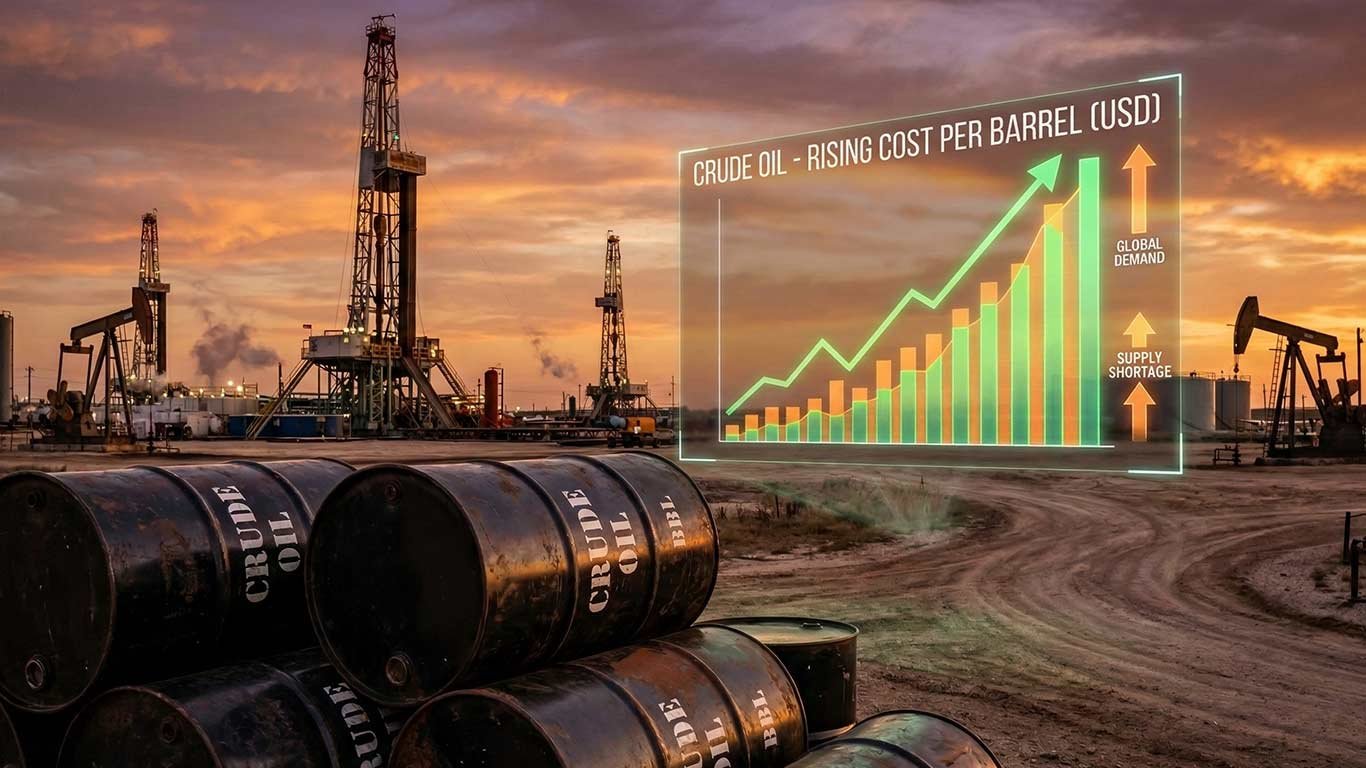
Rising energy prices can increase manufacturing and transportation expenses, ultimately affecting the prices consumers pay for everyday products. Developing economies are particularly vulnerable because higher import costs and currency fluctuations can place additional pressure on national budgets and household purchasing power.
Central banks face the difficult task of balancing inflation control with economic growth. Higher interest rates can help reduce inflationary pressure, but they can also increase borrowing costs for businesses and individuals, potentially slowing investment and consumption.
Geopolitical Tensions and Global Trade Uncertainty
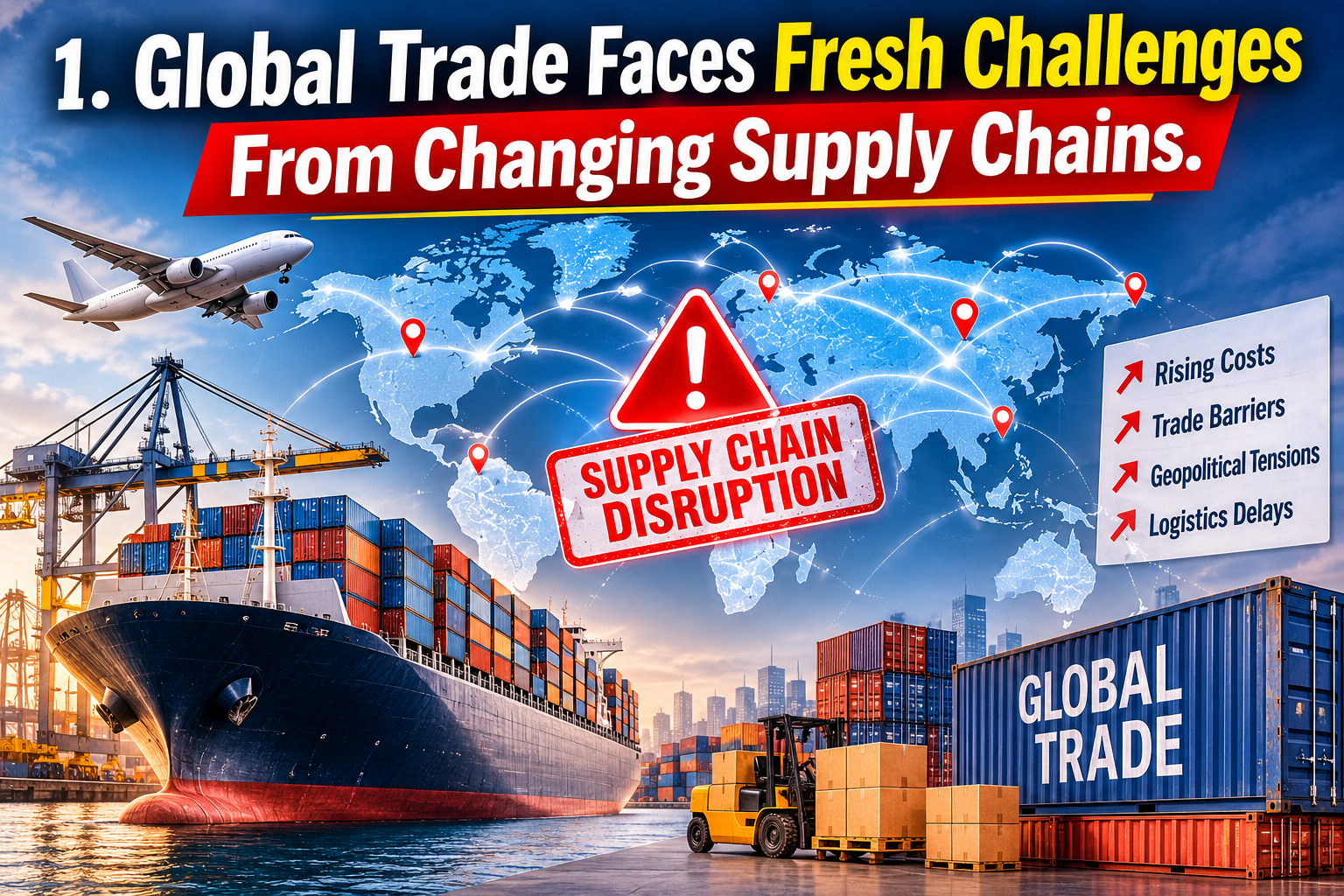
Geopolitical developments have become an increasingly important factor influencing international economic stability. Conflicts, diplomatic disagreements, trade restrictions and changing government policies can disrupt supply chains and create uncertainty for global businesses.
International trade remains a major driver of economic development, connecting manufacturers, suppliers and consumers across continents. However, changing trade regulations and rising protectionist measures are encouraging companies to reconsider their sourcing and production strategies.
Many businesses are increasingly exploring alternative manufacturing locations, regional partnerships and diversified supply networks to reduce their dependence on individual markets. Although these strategies can improve long-term resilience, they may also increase short-term operational costs.
Technology and Artificial Intelligence Create New Opportunities
Despite the economic challenges, technological innovation is creating significant opportunities for global growth. Artificial intelligence, automation, cloud computing and digital infrastructure are transforming industries and changing the way businesses operate.
Companies are increasing investments in advanced technologies to improve productivity, reduce operational expenses and strengthen their competitive positions. The expansion of data centres, semiconductor manufacturing and digital services is also creating new investment opportunities.
Artificial intelligence is expected to influence several sectors, including finance, healthcare, education, manufacturing and logistics. However, the benefits of technological development may not be distributed equally. Countries with stronger digital infrastructure, skilled workforces and greater investment capacity could gain a competitive advantage over economies that lack these resources.
Emerging Economies Seek New Growth Opportunities
Emerging markets are becoming increasingly important to the future of the global economy. Countries across Asia, Africa and Latin America are focusing on infrastructure development, manufacturing expansion, renewable energy and digital transformation.
India, in particular, continues to attract international attention because of its expanding consumer market, infrastructure investments, digital economy and growing manufacturing capabilities. Other developing economies are also seeking to strengthen their economic positions through foreign direct investment, industrial development and improved trade partnerships.
However, emerging markets must address challenges such as currency volatility, public debt, unemployment, infrastructure gaps and dependence on imported energy. Strong financial institutions and consistent economic policies will be essential to maintaining investor confidence.
The Road Ahead: Stability, Cooperation and Sustainable Development
Looking ahead, the direction of the global economy will depend on how governments, businesses and financial institutions respond to ongoing economic uncertainties. Policymakers will need to maintain a balance between controlling inflation, supporting employment, encouraging investment and ensuring long-term fiscal sustainability.
International cooperation will also remain essential. Stronger trade relationships, transparent economic policies and coordinated efforts to address global challenges can help reduce uncertainty and strengthen economic resilience.
Investment in renewable energy, education, infrastructure and technological innovation will be particularly important for building sustainable economic systems. Businesses, meanwhile, will need to remain adaptable and focus on efficiency, innovation and responsible investment strategies.
The Worldonomics Times View
At The Worldonomics Times, we believe that the current global economic uncertainty should be viewed not only as a challenge but also as an opportunity for transformation. Uneven economic growth, inflationary pressures and geopolitical tensions highlight the need for stronger economic cooperation, responsible policymaking and long-term strategic planning.
In our view, governments must move beyond short-term economic measures and focus on building resilient economies capable of managing future disruptions. Investments in infrastructure, education, clean energy, advanced technology and manufacturing can create sustainable opportunities while strengthening national competitiveness.
We also believe that emerging economies deserve greater attention in the global economic framework. Their growing contribution to international trade, production and innovation makes them important partners in shaping the future of the world economy.
Businesses must similarly adapt to changing market conditions by embracing innovation, diversifying supply chains and investing in sustainable practices. Economic progress should not be measured solely through GDP growth but also through employment opportunities, financial inclusion, living standards and environmental sustainability.
The Worldonomics Times believes that the future of the global economy will depend on resilience, innovation and collaboration. A balanced approach that connects economic growth with social development and long-term stability will be essential to creating a stronger and more inclusive global economy.
Conclusion
The global economy is entering a critical phase in which opportunities and risks are developing simultaneously. While inflation, geopolitical tensions, trade disruptions and uneven growth continue to create uncertainty, technological progress, emerging markets and strategic investments offer significant potential.
The ability of countries to adapt to changing economic conditions, strengthen international partnerships and implement effective policies will determine the pace and quality of future global growth.
For businesses, investors and policymakers, the message is clear: resilience, innovation and cooperation will be central to navigating the evolving global economic landscape.