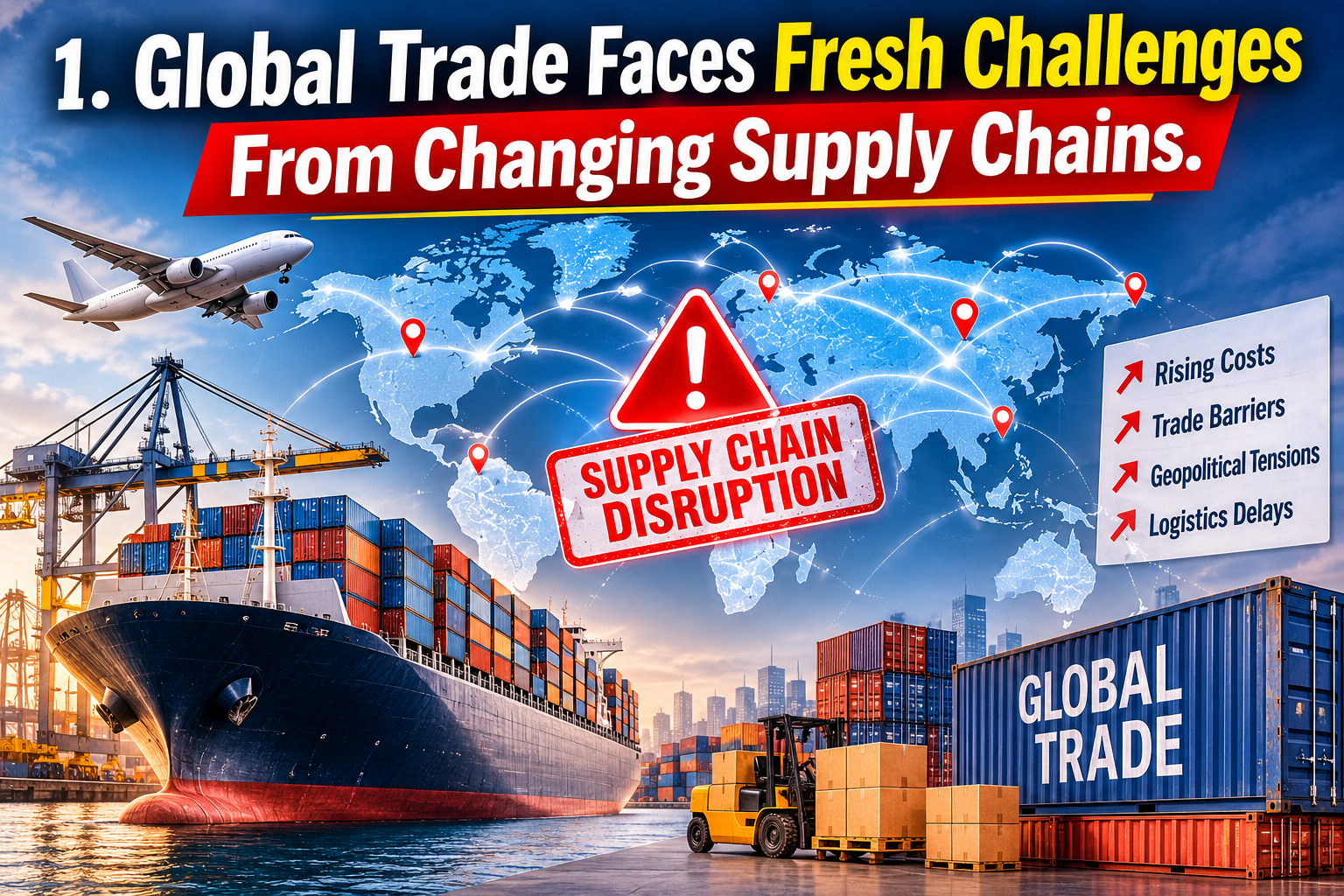
Rising geopolitical tensions, volatile energy markets and persistent inflation are creating fresh challenges for economies worldwide. As conflicts disrupt trade routes and increase commodity prices, governments and businesses face growing pressure to protect economic stability, maintain investment and sustain growth.
The global economy is entering another uncertain period. Despite demonstrating considerable resilience in recent years, economic activity continues to face pressure from geopolitical conflicts, energy-market disruptions and changing international trade relationships.
The consequences extend well beyond the countries directly involved in conflicts. Higher oil and gas prices affect transportation, manufacturing and agriculture, while uncertainty over international trade can delay investment and weaken business confidence. For many economies, particularly those dependent on imported energy, these developments are creating additional obstacles to sustainable growth.
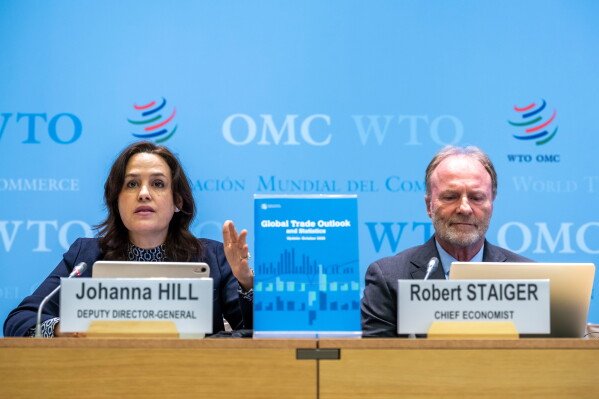
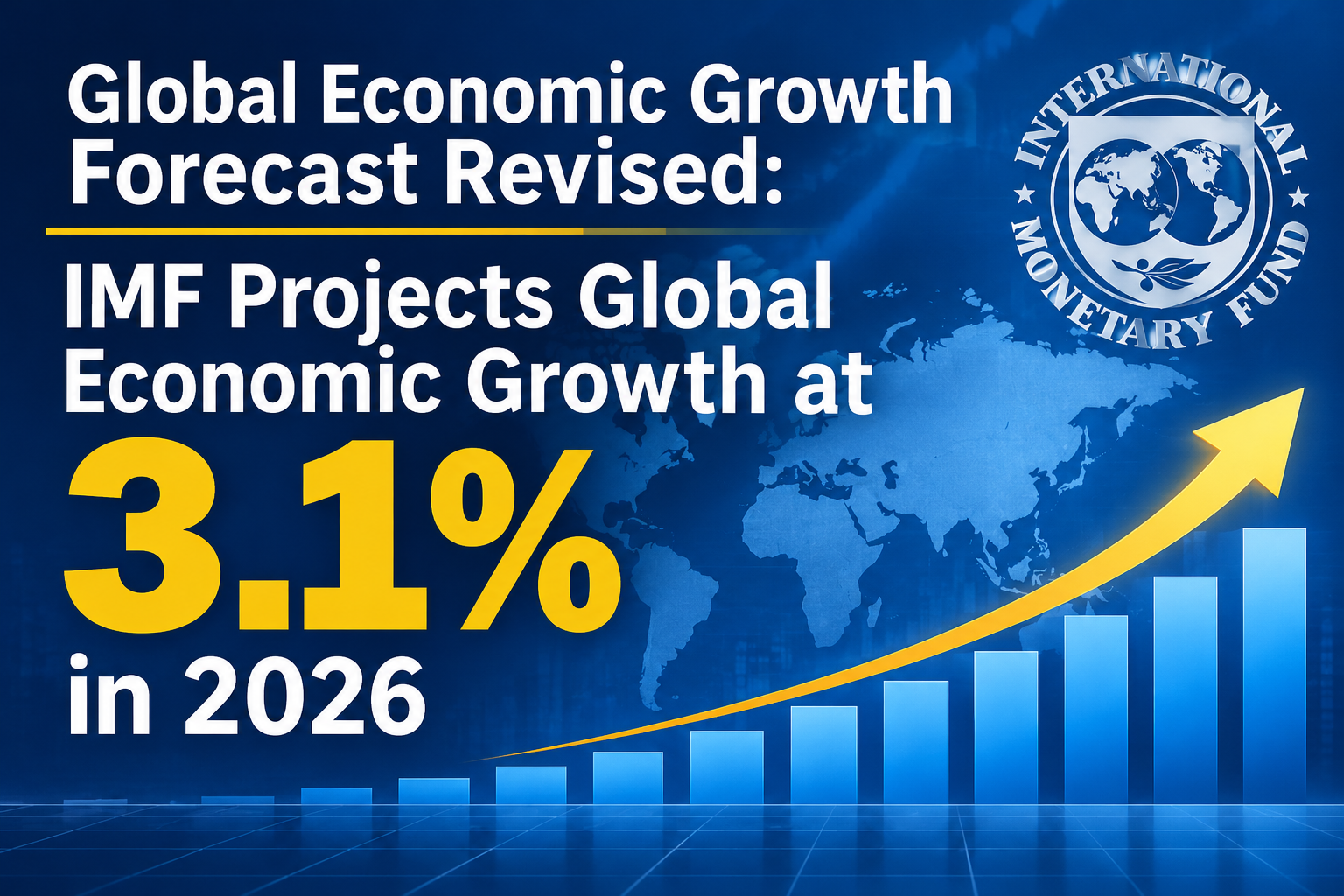
Recent forecasts from international institutions underline the seriousness of the situation. The International Monetary Fund (IMF), in its October 2026 World Economic Outlook, projects global economic growth of 3.1% in 2026, improving to 3.4% in 2027. The OECD’s September 2026 outlook forecasts growth of 2.9% in 2026 and 3.0% in 2027. The World Bank’s June outlook is more cautious, projecting 2.5% growth in 2026. Differences reflect their respective assumptions, but the overall message is clear: global growth remains vulnerable to external shocks.
Geopolitical Tensions Disrupt Global Economic Activity
Geopolitical uncertainty has become one of the most significant risks facing the international economy. Conflicts, sanctions, trade restrictions and strategic competition between major economies are reshaping international business relationships.
The Middle East conflict has demonstrated how regional instability can create worldwide economic consequences. Disruptions to energy production and transportation routes can affect oil and gas supplies, increase shipping costs and create uncertainty across international markets.
Businesses operating across borders must increasingly consider political risks when deciding where to source materials, manufacture products and invest capital. Some companies are diversifying suppliers and relocating parts of their production networks to reduce dependence on vulnerable regions.
Although these adjustments can improve supply-chain resilience, they may also increase operating expenses and reduce the cost advantages associated with globalised production.
The IMF has warned that further escalation of conflicts, renewed trade tensions and financial vulnerabilities could weaken its global growth outlook.
Rising Energy Costs Increase Inflationary Pressure
Energy prices remain a major transmission channel through which geopolitical developments affect the global economy.
The World Bank’s October 2026 Commodity Markets Outlook projects energy prices to rise by 32% in 2026, with Brent crude averaging approximately $91 per barrel, compared with $69 in 2025. Its baseline forecast expects Brent to moderate to around $79 per barrel in 2027, assuming that major supply disruptions do not intensify.
Higher energy costs create a chain reaction throughout the economy. Transportation becomes more expensive, manufacturers face higher production costs and agricultural businesses must manage increased fuel and fertiliser expenses.
These additional costs can eventually reach consumers through higher prices for food, electricity, goods and services. As a result, households experience pressure on purchasing power, while businesses face difficult decisions about pricing, investment and employment.
The World Bank also expects food commodity prices to increase cumulatively by approximately 18% across 2026 and 2027, highlighting the connection between energy markets, agricultural production and food affordability.
Inflation Complicates Central Bank Decisions
Rising energy and commodity prices make inflation management more difficult. Central banks must carefully assess whether higher prices represent temporary supply disruptions or more persistent inflationary pressure.
If inflation remains elevated, monetary authorities may delay interest-rate reductions or maintain restrictive policies. Higher borrowing costs can discourage business expansion, reduce household spending and increase the financial burden on governments.
The IMF projects global headline inflation at 4.7% in 2026 before easing to 4.1% in 2027. Although the expected moderation is encouraging, the outlook remains exposed to further commodity-price shocks.
This creates a difficult policy balance. Governments want to support economic activity, but excessive spending or poorly targeted subsidies can place additional pressure on public finances. Effective policies must protect vulnerable households without undermining long-term fiscal stability.
Emerging Economies Face Greater Vulnerability
Developing and emerging economies are particularly exposed to global energy and financial disruptions. Countries that rely heavily on imported oil, gas, fertilisers and industrial inputs may experience higher import bills, currency pressure and deteriorating trade balances.
Higher international interest rates can also increase borrowing costs, particularly for governments with substantial external debt. This reduces the financial resources available for infrastructure, education, healthcare and other development priorities.
The impact is not uniform. Energy-exporting countries may benefit from higher commodity revenues, while energy-importing economies face greater cost pressures. Countries with stronger foreign-exchange reserves, diversified energy supplies and sound fiscal policies are generally better positioned to absorb external shocks.
For fast-growing economies such as India, maintaining domestic demand, expanding infrastructure and diversifying energy sources will remain important priorities amid international uncertainty.
Business Confidence and Investment Under Pressure
Geopolitical uncertainty can influence investment decisions even before supply disruptions become severe. When businesses cannot predict future energy prices, trade policies or transportation costs, they may postpone expansion plans and adopt more cautious financial strategies.
International investors also tend to reassess risks when political instability increases. This can contribute to market volatility, changes in capital flows and pressure on currencies in vulnerable economies.
However, uncertainty can also encourage investment in alternative energy, advanced manufacturing, logistics infrastructure and digital technologies. Businesses that improve efficiency and diversify their operations may emerge stronger from periods of disruption.
The Worldonomics Times View
The Worldonomics Times believes that geopolitical uncertainty is no longer simply a political concern; it has become a central economic challenge affecting growth, inflation, investment and international trade.
The global economy requires more than short-term responses to individual crises. Governments must strengthen energy security, diversify supply chains, maintain responsible fiscal policies and encourage investment in productive infrastructure. International cooperation is equally important because energy shortages, food-price increases and financial instability rarely remain confined within national borders.
Businesses should focus on supply-chain diversification, cost efficiency and long-term risk management rather than relying on a single source of materials or energy. Developing economies, meanwhile, must strengthen their financial resilience and expand access to affordable and reliable energy.
Ultimately, global economic stability will depend on how effectively countries manage geopolitical risks while preserving the foundations of international cooperation. Growth may continue, but its sustainability will require stronger institutions, adaptable businesses and policies capable of responding to an increasingly unpredictable world.