Introduction: When Growth Becomes a Financial Challenge
Growth is generally considered a sign of business success. Higher sales, expanding operations, increasing customer demand and larger market presence are all indicators of progress.
But what happens when a business is growing rapidly and still struggles to pay its suppliers, employees or operating expenses?
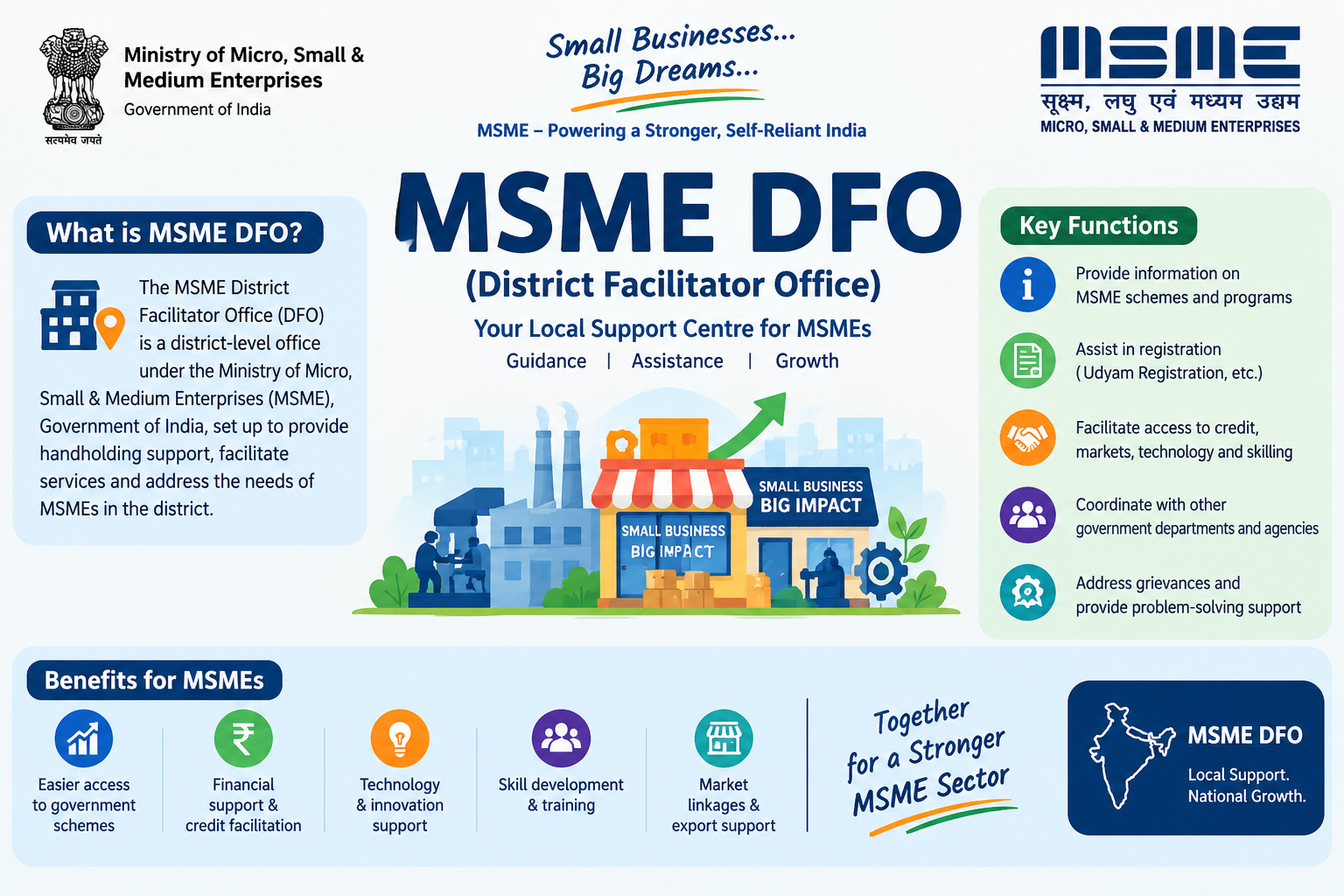
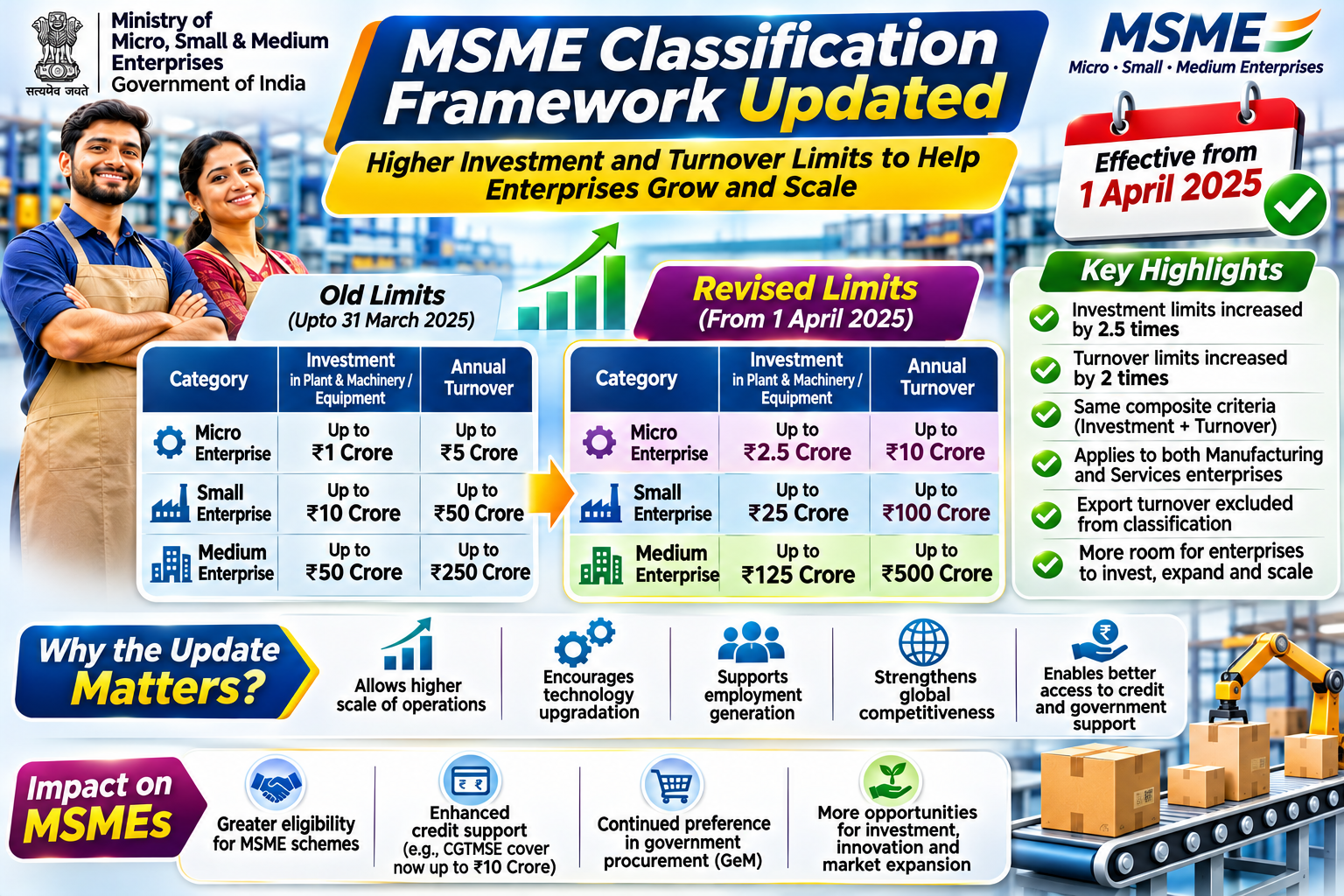
This is the reality of many businesses, particularly Micro, Small and Medium Enterprises (MSMEs) in India.
The problem is often not a lack of profitability but inefficient working capital management.
A business can be profitable on paper and financially stressed in reality.
Understanding the Working Capital Trap
Working capital represents the funds available to a business for managing its day-to-day operations.
It is calculated as:
Working Capital = Current Assets – Current Liabilities
Current assets generally include cash, inventory and trade receivables, while current liabilities include trade payables and other short-term obligations.
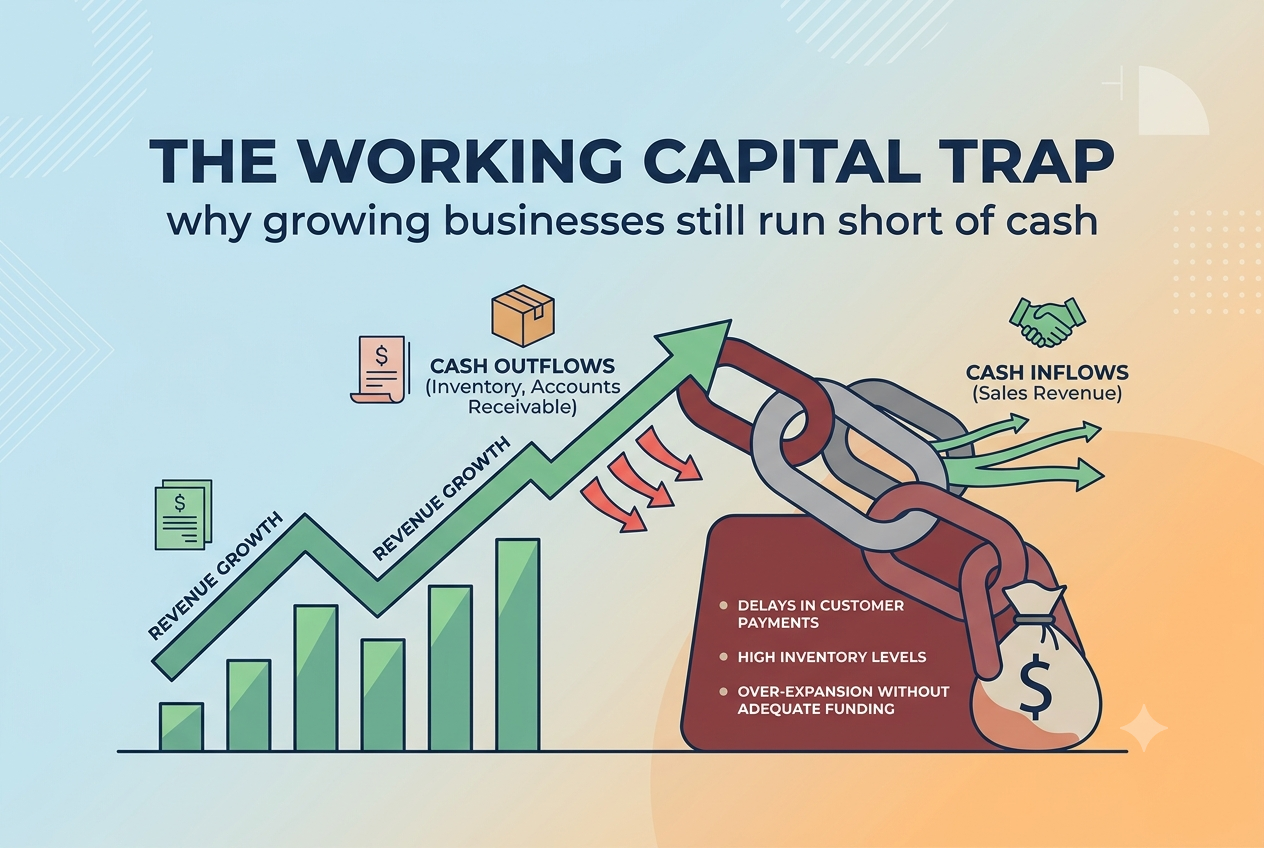
The challenge arises when money remains blocked in inventory or unpaid customer invoices while business expenses continue to demand immediate payment.
Consider a simple example.
A manufacturing business receives a large order worth ₹20 lakh. To fulfil it, the company purchases raw materials, pays labour costs and incurs production expenses.
However, the customer agrees to make payment after 60 days.
Meanwhile, suppliers expect payment within 30 days.
Despite securing a profitable order, the business may face a shortage of cash before receiving payment from its customer.
This is the working capital trap.
Three Major Reasons Businesses Face Working Capital Problems
1. Delayed Receivables
Businesses often extend credit to customers to increase sales and maintain relationships. However, delayed collections can create serious liquidity problems.
Higher sales do not automatically translate into higher cash inflows.
2. Excessive Inventory
Maintaining adequate inventory is necessary, but excessive stock blocks funds that could otherwise be used for productive business activities.
Unsold inventory also creates storage costs, insurance expenses and the risk of obsolescence.
3. Poor Payables Management
Paying suppliers too early can unnecessarily reduce available cash, while delaying payments beyond agreed terms can damage business relationships and attract financial consequences.
Effective working capital management requires balancing all three components.
The Role of the Cash Conversion Cycle
One of the most useful tools for understanding working capital efficiency is the Cash Conversion Cycle (CCC).
It measures the time taken by a business to convert its investment in inventory and other operating resources into cash received from customers.
Cash Conversion Cycle = Inventory Conversion Period + Receivables Collection Period – Payables Deferral Period
A longer cash conversion cycle generally means that funds remain blocked in business operations for a longer period.
Businesses should aim to improve inventory turnover, collect receivables faster and negotiate reasonable credit terms with suppliers.
The objective is not simply to reduce working capital, but to use it efficiently.
How Can Indian MSMEs Escape This Trap?
A few practical financial strategies can make a meaningful difference:
- Strengthen credit control: Establish clear credit policies and regularly follow up on outstanding receivables.
- Optimise inventory: Avoid unnecessary stock accumulation through proper demand forecasting.
- Prepare cash flow forecasts: Anticipate future cash shortages instead of reacting after they occur.
- Negotiate supplier terms: Align payment schedules with expected customer collections wherever possible.
- Use technology: Adopt accounting and inventory management systems to monitor cash movements and working capital requirements.
- Explore suitable financing: Consider appropriate working capital facilities when temporary liquidity gaps cannot be managed internally.
Beyond Profitability: The Importance of Financial Discipline
Business success should not be measured by revenue growth or accounting profits alone.
A financially sustainable business must also have the ability to meet its short-term obligations, manage operational risks and maintain sufficient liquidity.
For MSMEs, working capital management is not merely an accounting exercise. It is an essential part of business strategy.
Conclusion: Growth Needs Cash to Survive
A growing business does not necessarily become a financially stronger business.
When cash remains trapped in inventory, receivables and inefficient operating cycles, even profitable businesses can experience financial pressure.
The real challenge is to ensure that business growth is supported by disciplined financial planning.
Remember: Profit measures performance, but cash sustains operations. Growth creates opportunities, but working capital keeps the business moving.