By The Worldonomics Times
India’s micro, small and medium enterprises (MSMEs) are a vital pillar of economic development, contributing to employment generation, entrepreneurship, manufacturing, exports and balanced regional growth. However, many small businesses face persistent challenges, including limited access to finance, outdated technology, inadequate marketing support, skill shortages and difficulties navigating government schemes. In this environment, the Micro, Small and Medium Enterprises Development and Facilitation Office (MSME-DFO) plays an important role in connecting entrepreneurs with institutional support and opportunities for sustainable growth.
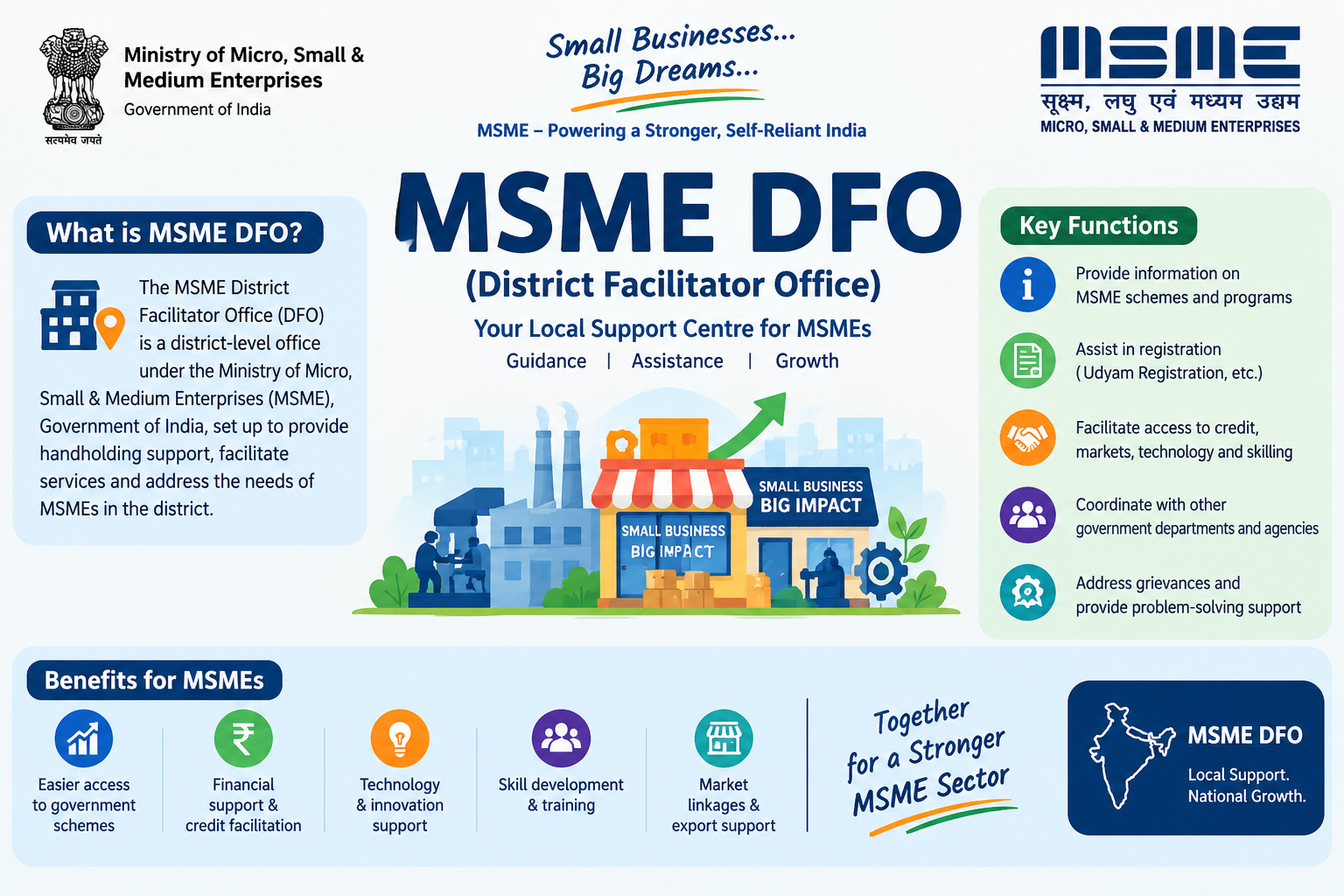
Operating under the Office of the Development Commissioner (MSME), Ministry of Micro, Small and Medium Enterprises, Government of India, MSME-DFOs serve as field-level institutions that help translate government policies and programmes into practical assistance for entrepreneurs.
Bridging the Gap Between Policy and Enterprise
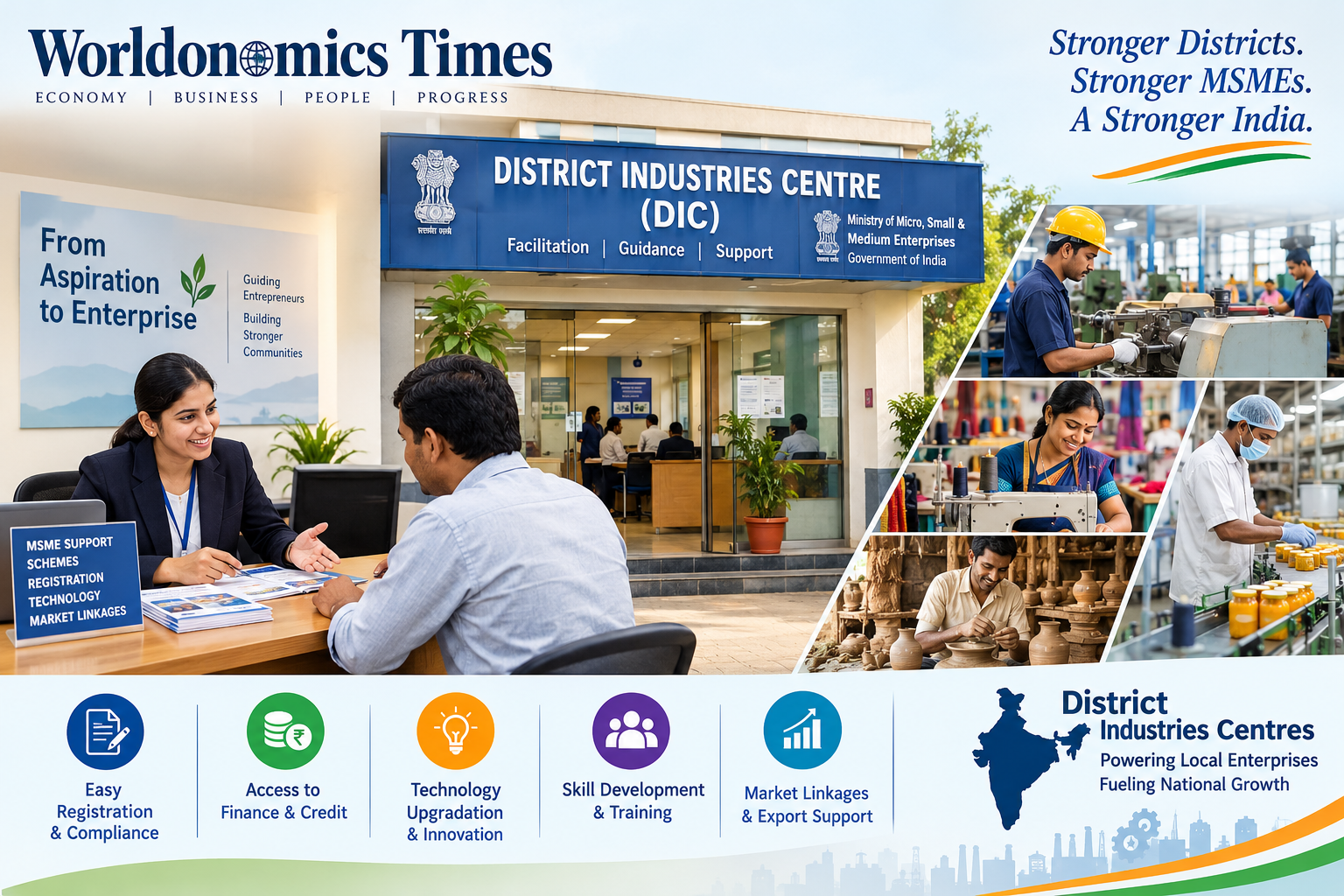
The MSME-DFO network acts as an important link between the Central Government, state governments, financial institutions, industry associations and individual enterprises. Its purpose extends beyond disseminating information: it also provides technical guidance, entrepreneurship development support, market intelligence and assistance with the implementation of various MSME development initiatives.
According to the Ministry of MSME’s official information, the network includes Development and Facilitation Offices and branch offices located across the country. These institutions engage with businesses at different stages, from individuals exploring a business idea to established enterprises seeking to modernise their operations or expand into new markets.
For first-generation entrepreneurs, understanding the process of setting up a business can be difficult. MSME-DFOs can help prospective entrepreneurs assess business opportunities, understand project requirements, identify suitable machinery and obtain technical and managerial guidance. Such support can make the early stages of enterprise development more informed and structured.
Promoting Entrepreneurship and Skill Development
Entrepreneurship is a significant avenue for employment generation, particularly among young people and communities with limited access to formal employment. MSME-DFOs support this objective through entrepreneurship development programmes, awareness campaigns, management development initiatives and skill-oriented training.
These programmes help participants understand business planning, production management, financial discipline, marketing and other essential aspects of running an enterprise. By combining technical knowledge with business skills, the offices can help aspiring entrepreneurs move from ideas towards viable commercial ventures.
Existing business owners can also benefit from training that improves productivity, management practices and workforce capabilities. In an economy increasingly influenced by digitalisation, automation and changing consumer expectations, continuous learning is essential for small enterprises seeking to remain competitive.
Technology Upgradation and Quality Improvement
Technology adoption has become a necessity for MSMEs competing in domestic and international markets. Businesses that rely on inefficient production processes or outdated equipment may struggle with high costs, inconsistent product quality and low productivity.
MSME-DFOs facilitate access to technical consultancy and information concerning modernisation, quality improvement, energy conservation, pollution control and appropriate production technologies. They also help enterprises understand relevant government support programmes, including initiatives associated with design, intellectual property rights, lean manufacturing and cluster development.
The cluster-based approach is particularly valuable. When enterprises operating in the same geographical area or industry cooperate, they may be better positioned to access shared facilities, specialised training, common infrastructure and technical services. Such collaboration can reduce costs while improving the quality and competitiveness of local industries.
Improving Market Access and Export Readiness
Producing a good product is only one part of building a successful business. MSMEs also need reliable buyers, effective distribution channels, market information and the ability to meet changing customer requirements.
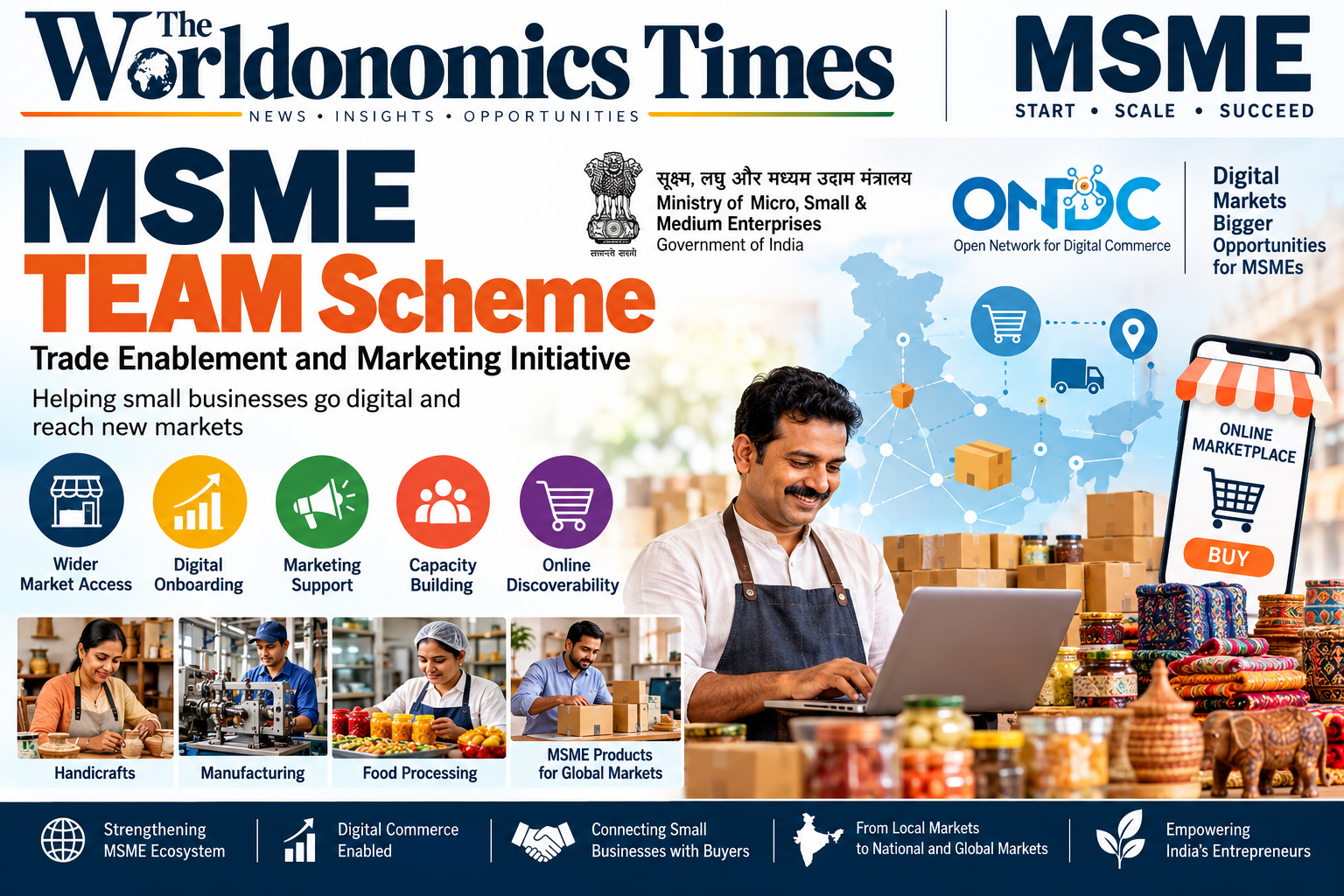
MSME-DFOs support market development through awareness programmes, market surveys, export promotion activities and coordination with relevant institutions. They also help enterprises understand opportunities associated with government procurement and other marketing-support initiatives.
Participation in exhibitions, buyer-seller interactions and industry networks can help small businesses identify new customers and develop commercial relationships. For enterprises seeking to enter international markets, information about product standards, quality requirements and market opportunities can be especially useful.
Greater market access can help businesses diversify their customer base, reduce dependence on a limited number of buyers and build a stronger foundation for long-term growth.
Connecting Enterprises with Government Support
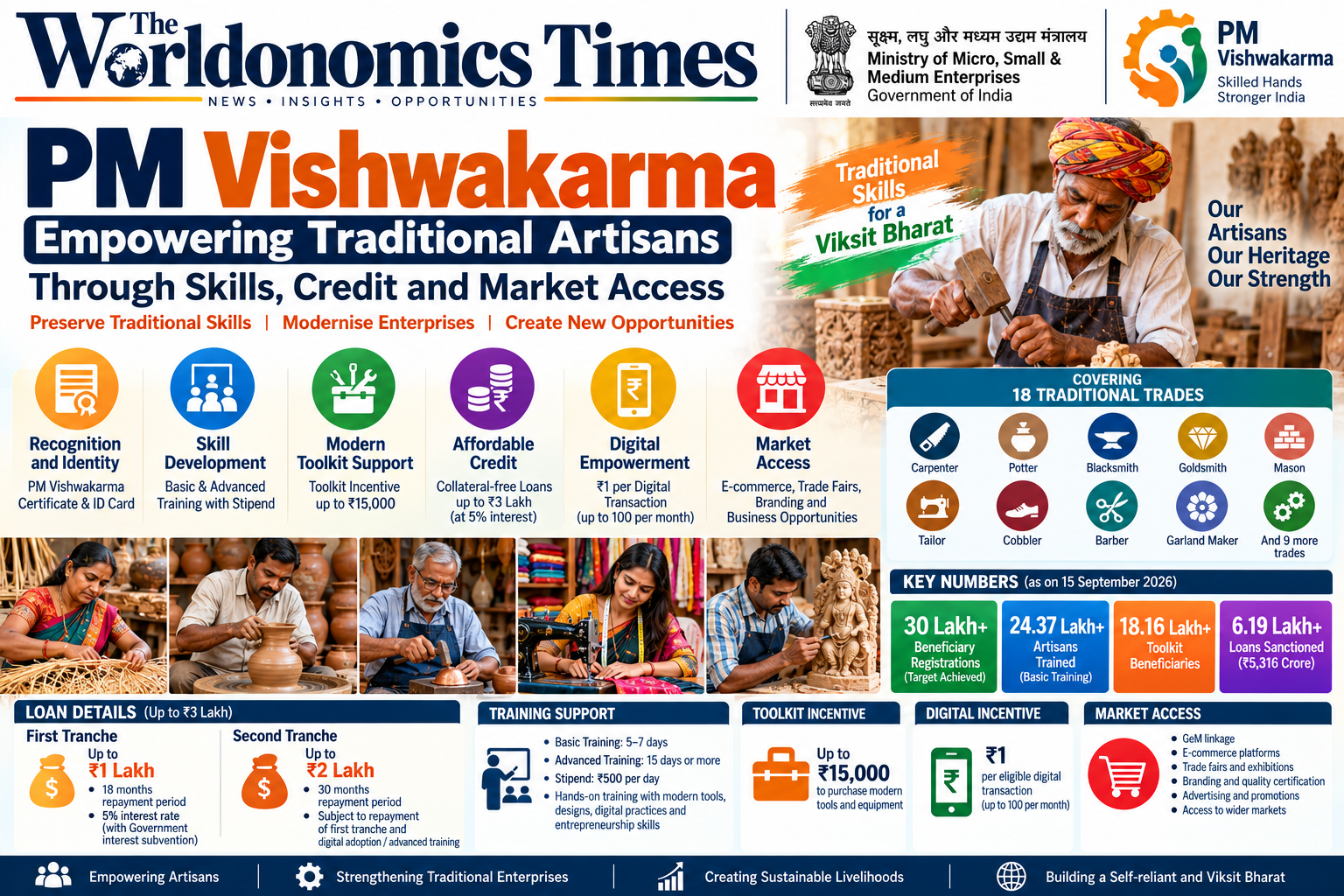
Government programmes can provide important assistance to eligible MSMEs, but entrepreneurs may find it difficult to identify the right scheme or understand its application requirements. MSME-DFOs help bridge this information gap by creating awareness and facilitating access to relevant initiatives.
Their work includes support related to Udyam Registration, the Government e-Marketplace (GeM), Goods and Services Tax (GST) awareness, credit-related information, procurement and marketing support, and other Ministry of MSME programmes.
However, the role of a facilitation office should be understood correctly. Assistance with a scheme does not automatically guarantee a loan, subsidy, contract or approval. Eligibility, documentation and final decisions remain subject to the rules of the relevant programme or institution.
Effective facilitation nevertheless reduces information barriers and enables entrepreneurs to make better-informed decisions.
Challenges and the Way Forward
Despite their importance, MSME-DFOs operate in a business environment where enterprises have widely varying needs. A rural microenterprise may require basic registration guidance, while a manufacturing unit may need advanced technology, certification or export assistance. Reaching businesses in remote areas, strengthening awareness and ensuring timely follow-up remain important priorities.
The next phase of MSME facilitation should focus on stronger digital outreach, more industry-specific training, closer partnerships with banks and technology institutions, and improved coordination with district-level agencies. Greater engagement with women entrepreneurs, young founders and enterprises in underserved regions could also help broaden the benefits of formal entrepreneurship.
Performance should increasingly be assessed not only through the number of programmes conducted, but also through measurable outcomes such as improved productivity, business formalisation, market expansion, technology adoption and enterprise survival.
Conclusion
MSME-DFOs occupy an important position in India’s enterprise-development ecosystem. By connecting entrepreneurs with technical expertise, training, government programmes and market opportunities, they help small businesses navigate the challenges of establishing and expanding their operations.
India’s ambition to build a more competitive, inclusive and resilient economy depends partly on the ability of its MSMEs to innovate, grow and create sustainable employment. Strengthening the reach and effectiveness of MSME-DFOs can help turn that ambition into practical outcomes—one enterprise, one district and one emerging business opportunity at a time.