By The Worldonomics Times
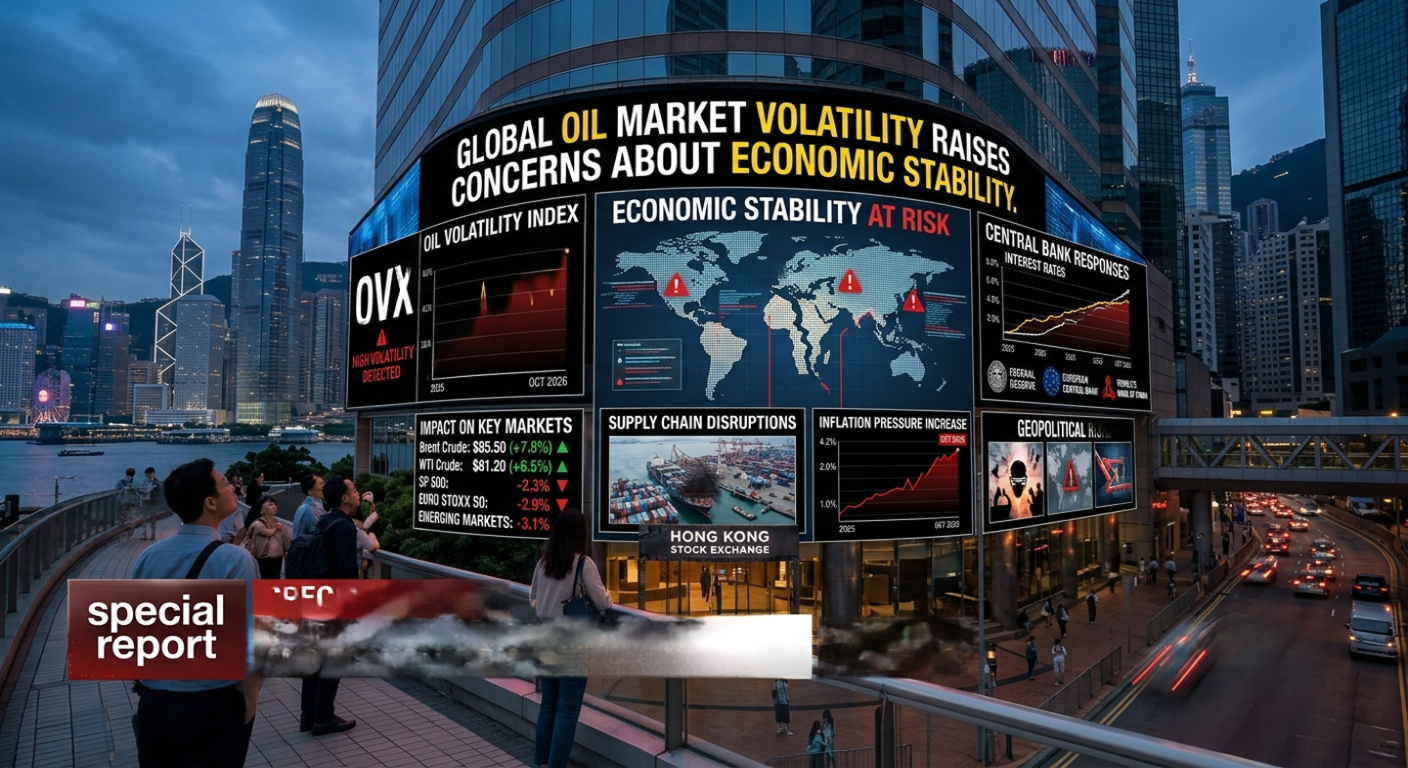
The global oil market is experiencing significant volatility as geopolitical tensions, supply disruptions, changing demand patterns, and uncertainty surrounding international energy trade influence crude oil prices. Oil remains one of the most important commodities in the global economy, affecting transportation, manufacturing, agriculture, electricity generation, international trade, and household expenditure.
Recent developments have demonstrated how quickly oil prices can change in response to geopolitical events. Conflicts affecting major energy-producing regions, attacks on shipping infrastructure, and disruptions to important maritime routes have created uncertainty for producers, importers, investors, and businesses.
According to the International Energy Agency’s November 13, 2026, Oil Market Report, North Sea Dated crude prices declined by approximately 32%, falling from a peak of $136 per barrel in early October to around $93 per barrel at the time of publication. The decline followed an improvement in Gulf oil exports, although prices remained above pre-conflict levels.
These developments indicate that the oil market is showing signs of rebalancing, but the possibility of further supply disruptions continues to create risks for global economic stability.
Geopolitical Tensions Continue to Influence Oil Prices
Geopolitical developments remain among the most important factors affecting international oil markets.
The Middle East plays a critical role in global energy security because several major oil-producing countries are located in the region. Disruptions to production facilities, pipelines, ports, and shipping routes can affect international supply and increase price volatility.
The Strait of Hormuz is particularly important because it connects major Gulf energy producers with international markets. Any disruption to transportation through this route can create uncertainty for countries that depend heavily on imported crude oil.
The conflict involving Iran and continued attacks on energy infrastructure and shipping have affected oil exports and increased transportation risks.
According to the US Energy Information Administration’s November 10 outlook, global crude oil prices increased during October as tanker attacks and supply disruptions affected international oil flows. Although exports improved towards the end of the month, geopolitical uncertainty continued to influence market expectations.
Such developments demonstrate that oil prices are influenced not only by actual supply and demand but also by expectations about future disruptions.
Global Oil Supply and Demand Remain Uncertain
The balance between global oil production and consumption is another major factor determining market stability.
In its November 2026 report, the International Energy Agency estimated that global oil demand would decline by 2.7 million barrels per day during 2026, reaching an average of 102.3 million barrels per day.
However, the agency expects demand to recover by approximately 2 million barrels per day in 2027 as supply chains gradually normalise.
On the supply side, global oil production increased by 2.3 million barrels per day in October, reaching 105.4 million barrels per day. Recovering exports from Gulf producers contributed to the improvement.
The IEA expects the global oil market to return to a surplus during the fourth quarter of 2026, with production exceeding consumption.
Although this could ease pressure on crude prices, the outlook remains vulnerable to geopolitical developments, transportation restrictions, and unexpected changes in production.
The difference between crude oil supply and the availability of refined products also remains important. Even when crude production improves, shortages of diesel, petrol, and other refined fuels can continue to affect businesses and consumers.
Rising Oil Prices Increase Global Inflation
Oil price fluctuations have a direct impact on inflation because petroleum products are essential inputs across numerous industries.
Higher crude oil prices generally increase the cost of petrol, diesel, aviation fuel, shipping, and road transportation. Businesses may pass these additional expenses to consumers through higher prices for goods and services.
Manufacturing companies also face increased operating costs because petroleum products are used in industrial processes, chemicals, plastics, packaging, and other essential materials.
Agriculture is another sector affected by oil price volatility. Higher diesel prices increase the cost of operating farm machinery, transporting agricultural products, and distributing fertilisers and other inputs.
For central banks, energy-driven inflation creates a difficult policy environment. Higher interest rates may help control overall demand, but they cannot directly resolve shortages of crude oil or disruptions to international shipping.
Consequently, prolonged oil price increases can complicate monetary policy decisions and slow economic recovery.
Businesses and International Trade Face Higher Costs
Oil market volatility creates significant challenges for businesses that depend on predictable energy and transportation expenses.
Airlines, shipping companies, logistics providers, automobile manufacturers, construction businesses, and energy-intensive industries are particularly exposed to fluctuations in fuel prices.
When oil prices rise suddenly, companies may experience reduced profit margins, higher operating expenses, and difficulties maintaining competitive prices.
International shipping is especially vulnerable because geopolitical disruptions can force vessels to use longer routes. Higher insurance premiums, freight charges, and fuel consumption increase the cost of transporting goods between countries.
Small and medium-sized enterprises may face greater difficulties because they often have limited financial resources to absorb sudden increases in operating costs.
Businesses are therefore increasingly focusing on energy efficiency, alternative suppliers, inventory management, and improved supply chain planning to reduce their exposure to external shocks.
Impact on Emerging Economies and India
Emerging economies that depend heavily on imported crude oil are particularly vulnerable to international price fluctuations.
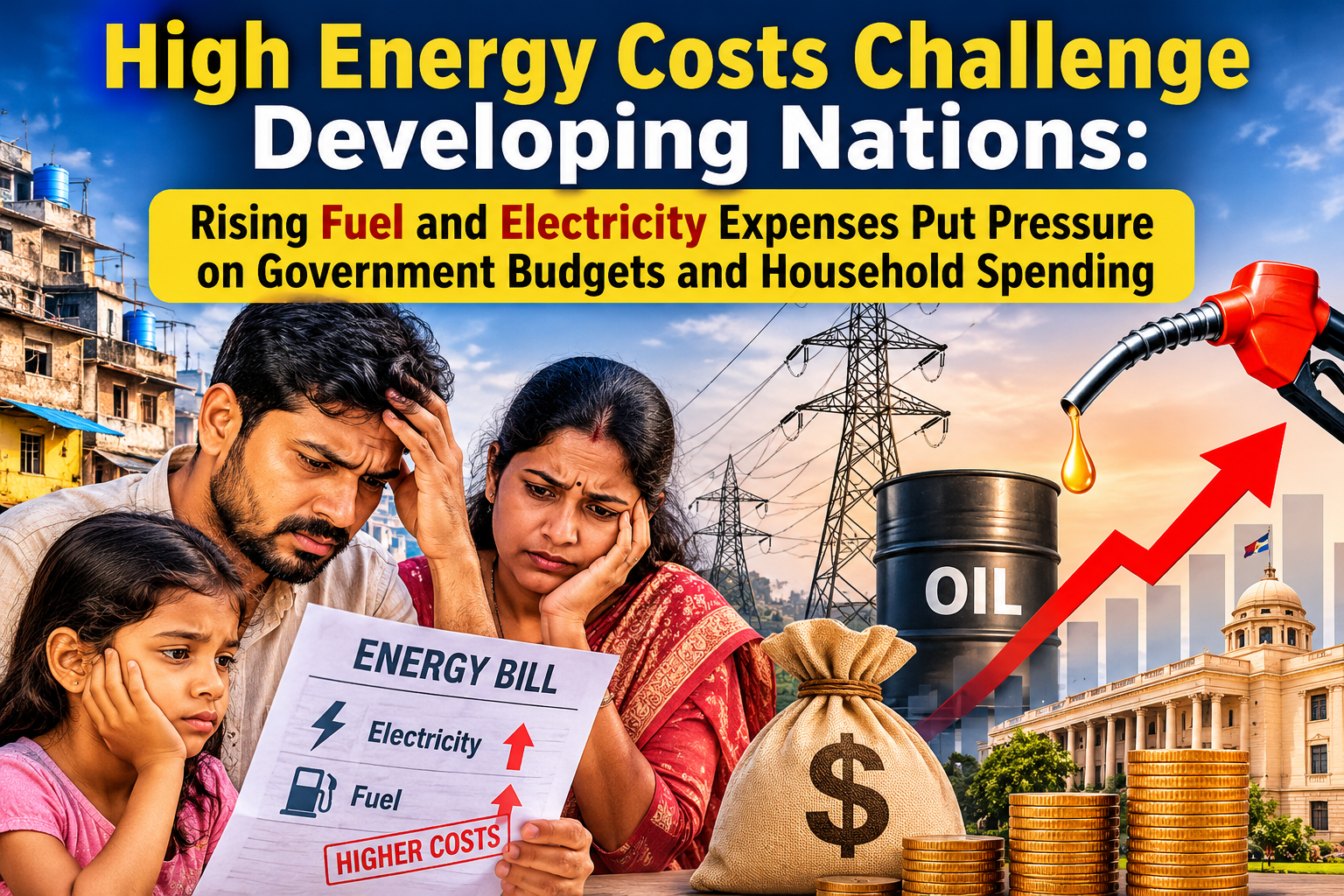
Higher oil prices can increase national import expenditure, weaken domestic currencies, and contribute to inflation. Countries with limited foreign exchange reserves may experience additional financial pressure when energy imports become more expensive.
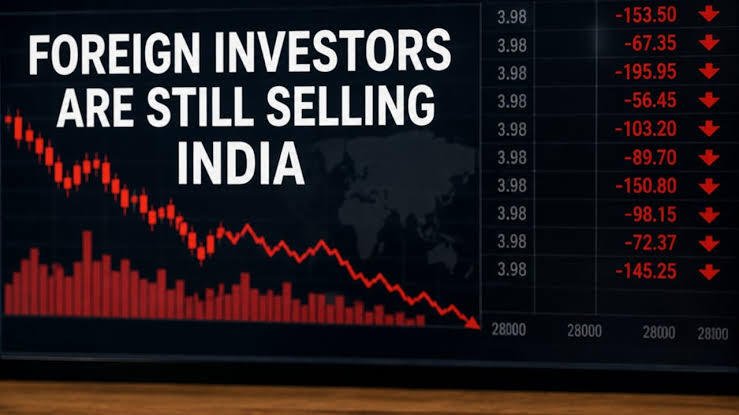
India is especially sensitive to global crude oil movements because imported petroleum plays an important role in meeting domestic energy requirements.
An increase in international oil prices can affect the country’s trade balance, transportation expenses, manufacturing costs, and household budgets. It can also create pressure on the Indian rupee and influence domestic inflation.
However, India has opportunities to reduce its long-term exposure through renewable energy investment, improved energy efficiency, strategic petroleum reserves, domestic exploration, and diversification of international suppliers.
Expanding solar and wind power, developing battery storage, and improving electricity infrastructure can strengthen energy security while supporting sustainable economic growth.
Renewable Energy and the Future of Global Energy Security
Recent oil market disruptions have reinforced the importance of diversifying national energy systems.
Solar power, wind energy, hydropower, nuclear energy, and other alternative sources can reduce dependence on imported fossil fuels and protect economies from international price fluctuations.
Investment in renewable energy can also encourage technological innovation, create employment opportunities, and improve long-term energy affordability.
However, the transition requires substantial investment in electricity grids, energy storage, transmission infrastructure, and modern industrial technologies.
A balanced energy strategy that combines reliable conventional supplies with expanding renewable capacity will be important for maintaining economic stability during the transition.
The Worldonomics Times View
Global oil market volatility is more than an energy sector concern. It is a major economic challenge that affects inflation, international trade, investment, employment, and financial stability.
In our view, governments must treat energy security as a central component of economic planning. Dependence on a limited number of suppliers or vulnerable transportation routes can expose entire economies to sudden external shocks.
Countries should strengthen strategic petroleum reserves, diversify energy imports, improve domestic production capabilities, and accelerate investment in renewable energy infrastructure.
Businesses must also prepare for continued uncertainty by improving energy efficiency, managing transportation costs, and developing more resilient supply chains.
For India and other emerging economies, reducing excessive dependence on imported fossil fuels should remain a long-term priority. Investment in renewable energy, domestic infrastructure, and alternative transportation technologies can provide important economic advantages.
International cooperation will also be essential to maintaining stable energy supplies and protecting critical shipping routes.
Ultimately, affordable and reliable energy is fundamental to sustainable economic development. Although the oil market may show periods of recovery and improved supply, geopolitical uncertainty means that volatility cannot be ruled out.
The countries that successfully combine energy diversification, responsible economic policies, and technological innovation will be better positioned to withstand future oil market shocks and maintain long-term economic stability.