How India’s GIFT IFSC is opening a new chapter in technology financing.
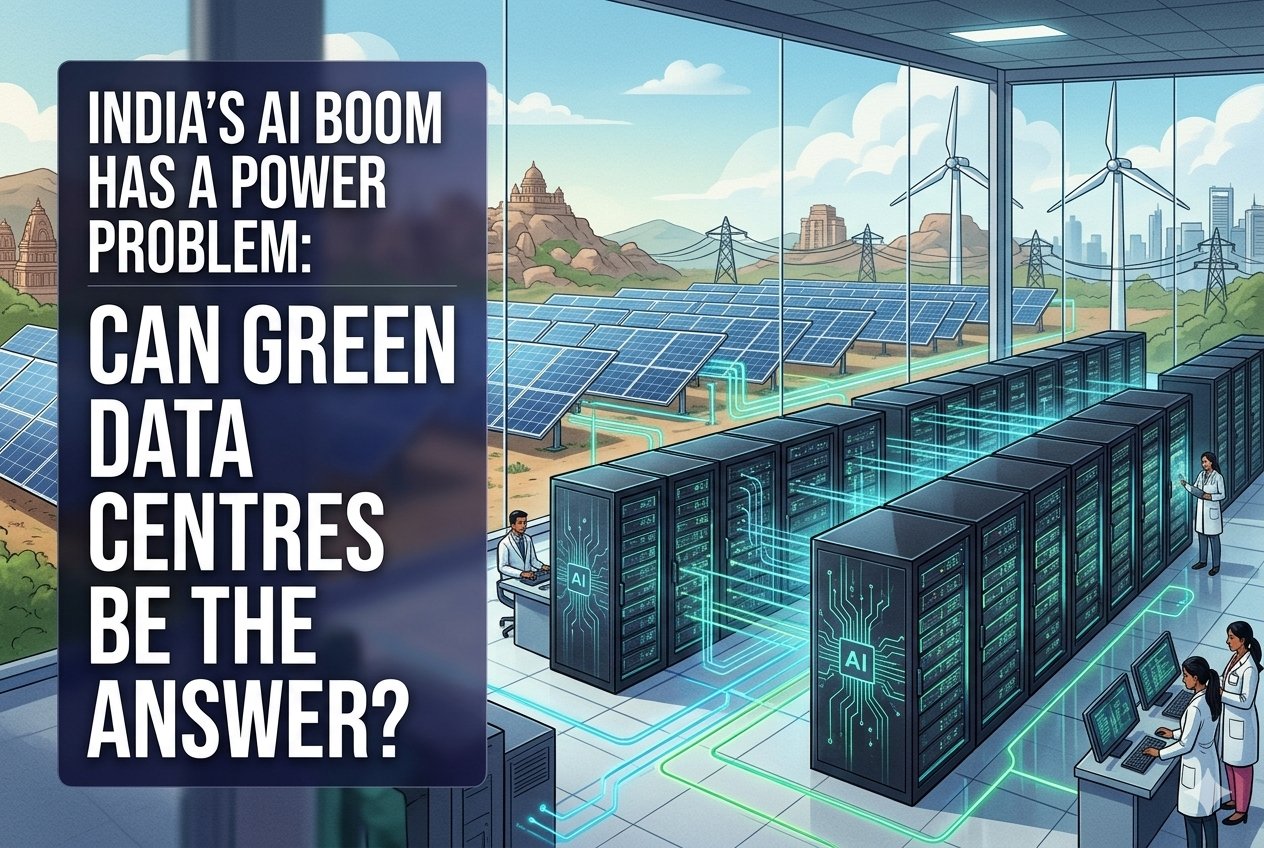
Artificial Intelligence is no longer just a software revolution. Behind every AI model, automated decision and generative application lies an expensive physical infrastructure — powerful computing chips, servers, cooling systems and data centres.
One of the most important components of this infrastructure is the Graphics Processing Unit (GPU).
Traditionally, businesses investing in AI infrastructure had to commit substantial capital towards purchasing expensive computing equipment. But what if companies could access this infrastructure through leasing rather than ownership?
India is taking an interesting step in this direction.
1. A New Financial Opportunity in GIFT City
On 6 November 2026, the International Financial Services Centres Authority (IFSCA) announced the recognition of leasing GPUs and connected data-centre equipment as a financial product in GIFT IFSC.
This development creates opportunities for financial institutions, leasing companies and technology infrastructure providers to explore new financing models for AI infrastructure.
2. Why Does GPU Leasing Matter?
High-performance GPUs involve significant investment. For startups and technology companies, purchasing such equipment can create substantial upfront capital requirements.
Leasing can offer an alternative.
Instead of purchasing expensive equipment, businesses can access computing infrastructure through structured lease arrangements.
Potential benefits include:
- Lower initial capital investment.
- Better cash-flow management.
- Access to advanced computing infrastructure.
- Greater flexibility in upgrading technology.
- Opportunities for specialised infrastructure financing.
3. A New Opportunity for Investors and Financial Institutions
GPU leasing could create an emerging asset-financing segment.
Banks, financial institutions, leasing companies and infrastructure investors may explore financing structures around specialised computing equipment.
However, this opportunity also brings financial risks.
Unlike conventional infrastructure assets, technology equipment can become obsolete rapidly. Therefore, valuation, lease duration, residual value and utilisation rates will be critical considerations.
4. The Accounting and Cost Management Perspective
This development also raises important questions for finance professionals.
How should specialised computing equipment be valued?
What is the appropriate depreciation policy?
How should lease payments be evaluated?
What happens when the technology becomes obsolete before the end of the lease term?
These questions make cost accounting, financial reporting, asset management and risk assessment increasingly important.
5. Is AI Infrastructure Becoming the Next Investment Class?
The AI revolution is creating demand not only for software developers and technology companies but also for investors willing to finance the infrastructure behind artificial intelligence.
GPU leasing could become an interesting component of this evolving ecosystem.
However, its long-term success will depend on commercially viable lease structures, technology lifecycle management, regulatory clarity and sustainable demand for computing capacity.
Conclusion
The future of finance may not be limited to financing factories, buildings and machinery. It may increasingly involve financing the computing power that drives the digital economy.
As artificial intelligence transforms industries, the financial world is also discovering new assets, new business models and new investment opportunities.
Perhaps the next big opportunity in finance will not be in owning the technology, but in financing the infrastructure that makes it possible.
— Ankita Nag