Imagine asking your AI assistant to book a flight, compare hotel prices, select the best deal and complete the payment — all without you manually going through multiple apps.
Sounds futuristic? Not anymore.
Artificial Intelligence is gradually moving beyond answering questions and analysing information. It is entering a new phase where AI-powered systems can perform tasks, make decisions within predefined instructions and potentially initiate financial transactions. This emerging concept is known as Agentic AI.
From Digital Payments to Intelligent Payments
India has already transformed the way people transact. UPI, QR codes, mobile banking and digital wallets have made payments faster and more accessible.
But the next stage of financial innovation could be very different.
Instead of simply helping customers make payments, intelligent systems may be able to:
- Compare products and prices before making purchases.
- Execute payments based on customer instructions.
- Automate recurring business transactions.
- Assist companies with vendor payments and financial operations.
- Identify unusual transactions and strengthen fraud prevention.
This could transform the relationship between consumers, businesses and financial institutions.
What Does This Mean for Indian Businesses?
For businesses, particularly MSMEs, intelligent commerce could create significant opportunities.
Imagine a small business using AI to monitor inventory, identify payment requirements, manage supplier transactions and track cash flows.
Such automation could reduce administrative workloads, improve operational efficiency and allow business owners to focus more on growth.
For financial institutions, it could create opportunities to develop smarter payment infrastructure, personalised financial services and advanced fraud detection systems.
But Innovation Comes With Responsibility
Every technological advancement brings new challenges.
When AI systems become capable of initiating financial transactions, important questions emerge:
- Who is responsible if an AI agent makes an unauthorised payment?
- How can businesses protect sensitive financial information?
- What happens when an AI system makes an incorrect decision?
- How can customers maintain control over automated transactions?
Financial security, transparency, accountability and customer consent must remain at the centre of this transformation.
Convenience should never come at the cost of trust.
Are Finance Professionals Ready for This Change?
This transformation also has an important message for finance professionals.
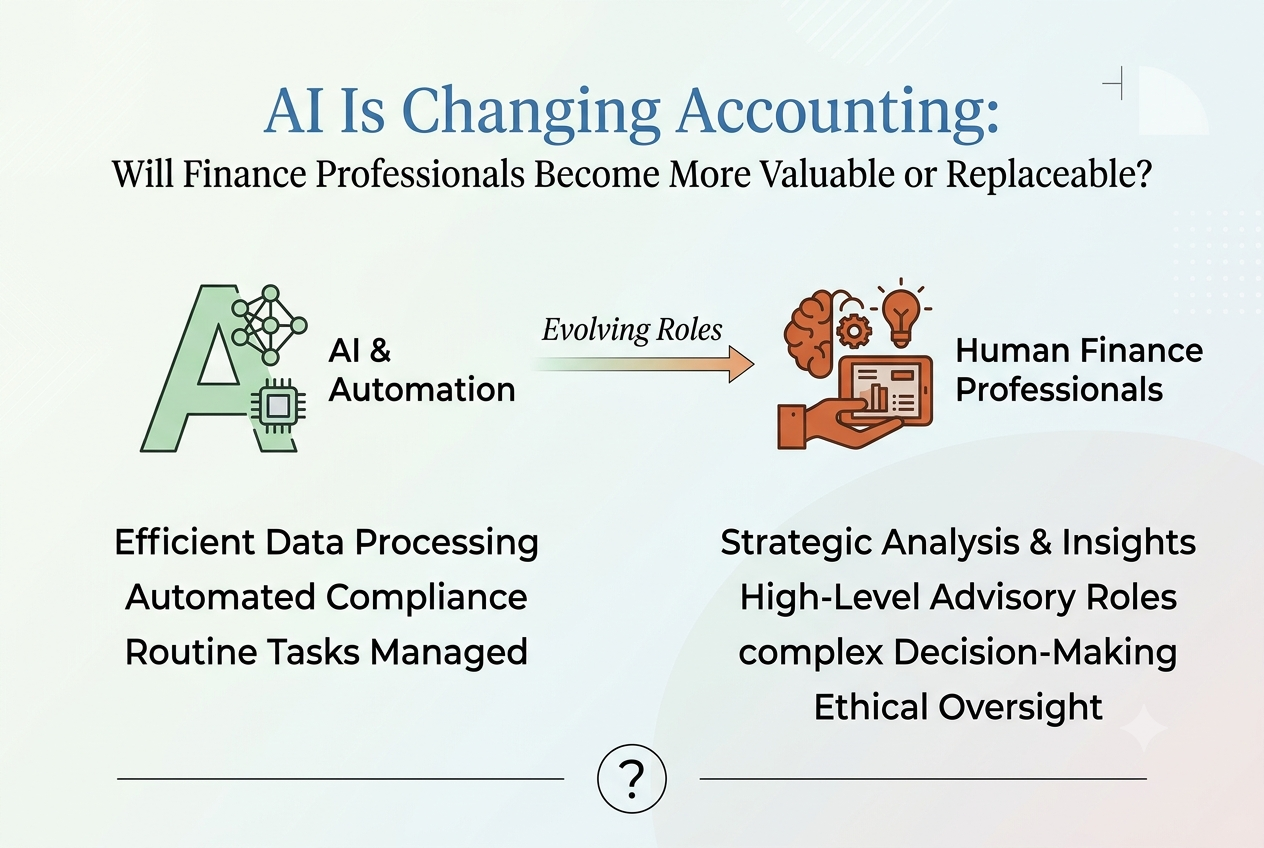
The future of finance will not be limited to recording transactions, preparing reports or analysing historical data. Professionals will increasingly need to understand technology, interpret AI-generated insights, evaluate financial risks and exercise sound judgement.
AI may automate several routine activities, but the need for human oversight, professional ethics and strategic financial thinking will remain essential.
The Road Ahead
India has already demonstrated how digital infrastructure can transform financial inclusion and everyday commerce. The next challenge is to make financial transactions not only faster but also more intelligent, secure and responsible.
The real success of intelligent commerce will not be measured by how much AI can automate, but by how effectively it can create value while protecting the interests of people and businesses.
The future of payments may not just be digital. It may be intelligent.
The question is no longer whether AI will participate in financial transactions, but how responsibly we prepare for that future.