The Worldonomics Times
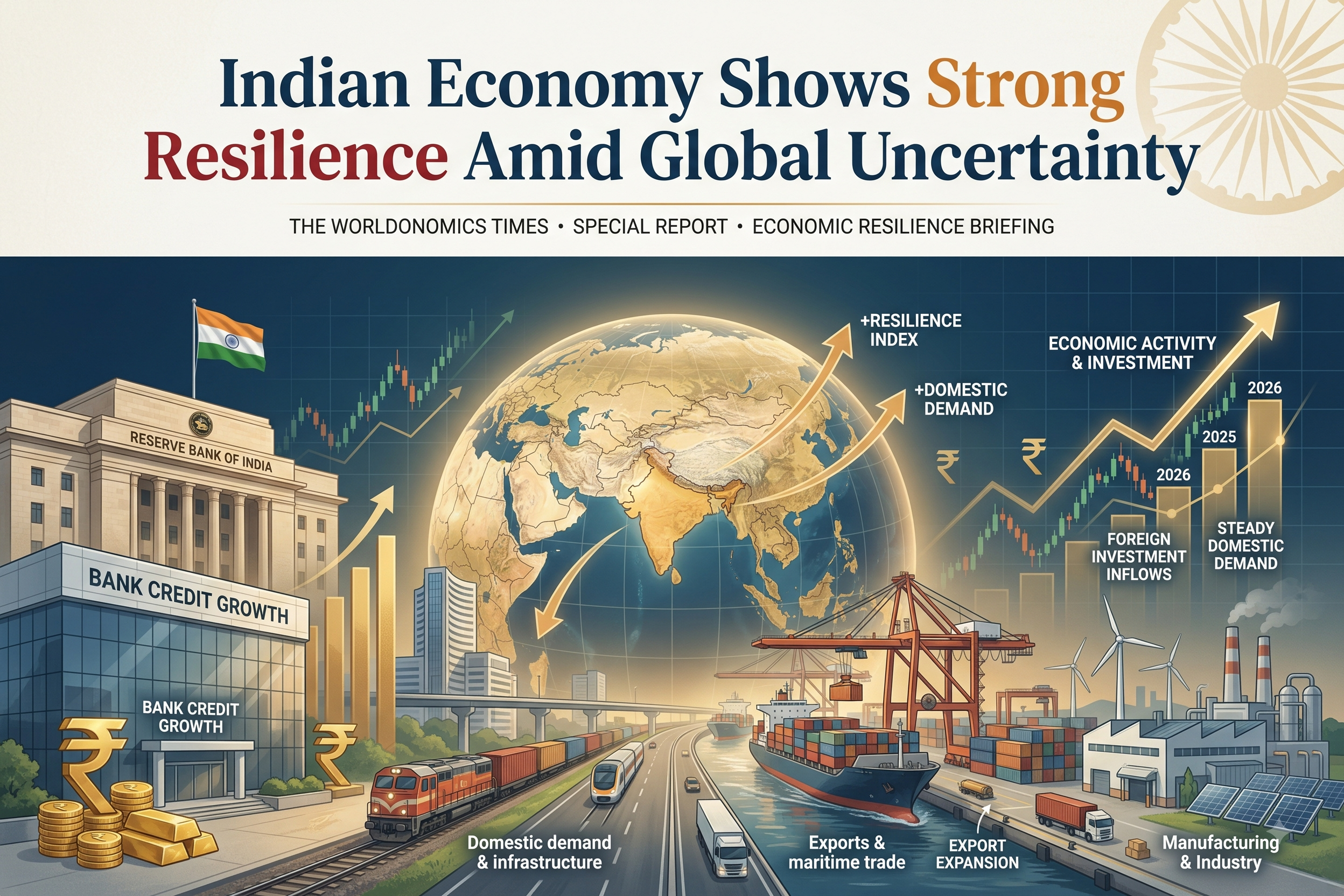
India’s economy continues to demonstrate resilience amid an uncertain global economic environment, supported by strong bank credit growth, expanding exports, steady domestic demand and foreign investment inflows. According to the Reserve Bank of India (RBI), economic activity remained encouraging in October 2026, highlighting the strength of India’s domestic economic fundamentals.
At a time when several major economies are dealing with geopolitical tensions, fluctuating commodity prices, changing monetary policies and uncertainty in international trade, India’s economic performance reflects the importance of domestic consumption, investment and financial stability.
The country’s ability to maintain economic momentum despite external challenges is attracting attention from investors, businesses and policymakers. However, sustaining this growth will require continued investment, effective economic management and attention to emerging risks.
Strong Domestic Demand Supports Economic Activity
Domestic demand remains one of the most important drivers of India’s economic growth. Consumption by households and investment by businesses contribute significantly to economic activity across sectors, including manufacturing, retail, infrastructure, transportation and services.
Rising demand for goods and services encourages companies to expand production, increase capacity and invest in new projects. It can also support employment generation and create opportunities for small and medium-sized enterprises.
India’s large consumer market provides an important advantage compared with economies that depend more heavily on international demand. Even when global trade conditions become challenging, domestic consumption can help maintain business activity.
The continuation of strong demand will depend on factors such as employment opportunities, household income, inflation and consumer confidence. Maintaining purchasing power will therefore remain important for sustaining economic momentum.
Bank Credit Growth Strengthens Business Confidence
Strong bank credit growth is another factor supporting India’s economic resilience. Credit availability plays a crucial role in financing business expansion, infrastructure development, housing, manufacturing and consumer spending.
When banks extend loans to businesses and households, they help support investment and economic activity. Companies can use credit to purchase machinery, establish new facilities, improve technology and manage working capital requirements.
For small and medium-sized enterprises, access to affordable finance is particularly important. These businesses contribute significantly to employment and domestic production, but often face challenges in obtaining sufficient funding.
Healthy credit growth can indicate improving demand for financing and confidence in future economic opportunities. However, responsible lending standards and effective risk management are equally important to prevent excessive borrowing and the accumulation of bad loans.
Exports Provide Support to Economic Growth
India’s export sector is another important contributor to economic resilience. Indian businesses supply products and services to international markets across industries such as pharmaceuticals, engineering goods, textiles, chemicals, automobiles and information technology.
Growing exports can strengthen foreign exchange earnings, support industrial production and improve India’s position in global trade.
The expansion of export opportunities also encourages companies to improve product quality, adopt modern technologies and compete internationally. This can contribute to productivity improvements and long-term industrial development.
Nevertheless, exporters continue to face challenges from changing global demand, trade restrictions, geopolitical tensions and currency fluctuations. Maintaining competitiveness through better infrastructure, efficient logistics and reliable supply chains will be essential.
India’s efforts to strengthen manufacturing capabilities and diversify export destinations could help reduce dependence on a limited number of international markets.
Foreign Investment Reflects Market Confidence
Foreign investment inflows are another important element of India’s economic outlook. International investors consider several factors before allocating capital to an economy, including growth prospects, financial stability, market opportunities and government policies.
India’s expanding consumer market, developing infrastructure and growing services sector can create attractive opportunities for overseas investors.
Foreign capital can support businesses through investment in manufacturing facilities, technology, infrastructure and financial markets. It can also contribute to employment generation, innovation and the development of new industries.
However, international investment flows are influenced by global financial conditions. Changes in US interest rates, geopolitical developments and investor sentiment can affect the movement of capital into emerging markets.
For India, maintaining policy stability, improving the ease of doing business and strengthening regulatory transparency will be important for attracting consistent long-term investment.
Global Uncertainty Continues to Present Challenges
Despite encouraging domestic indicators, India’s economy is not completely insulated from international developments.
Geopolitical tensions can disrupt energy supplies and international trade routes. Fluctuations in crude oil prices can affect India’s import expenditure, transportation costs and inflation outlook.
Similarly, slower economic growth in major trading partners could reduce demand for Indian exports. Changes in global interest rates and currency movements may also influence foreign investment and domestic financial markets.
These risks highlight the importance of maintaining a balanced economic strategy. Strengthening domestic manufacturing, improving infrastructure and diversifying energy sources can help reduce India’s exposure to external shocks.
The RBI’s role in maintaining monetary and financial stability will also remain important as policymakers respond to changing economic conditions.
Opportunities for India’s Long-Term Growth
India’s economic resilience provides opportunities to strengthen its position in the global economy. Continued investment in infrastructure, digital services, manufacturing and renewable energy can support productivity and create new sources of growth.
The development of roads, railways, ports and logistics networks can reduce transportation costs and improve the movement of goods. At the same time, technological innovation and digital adoption can help businesses improve efficiency and reach wider markets.
Greater participation of small businesses in formal financial systems can also support economic expansion. Easier access to credit, modern technology and international markets can help these enterprises become more competitive.
The challenge will be to ensure that economic growth creates broad-based opportunities, supports employment and improves living standards.
The Worldonomics Times View
India’s economic resilience amid global uncertainty reflects the strength of its domestic demand, financial system, export activity and investment opportunities. The positive indicators highlighted by the RBI suggest that the country has several important sources of support for maintaining economic momentum.
However, resilience should not be confused with immunity from global risks. International trade disruptions, energy price fluctuations, inflation and changing capital flows can still influence India’s economic performance.
The Worldonomics Times believes that India’s next phase of growth should focus on strengthening domestic manufacturing, expanding exports, improving infrastructure and ensuring wider access to affordable finance.
Equally important is the need to maintain financial discipline. Strong bank credit growth must be supported by responsible lending, while foreign investment should be encouraged through predictable policies and a transparent business environment.
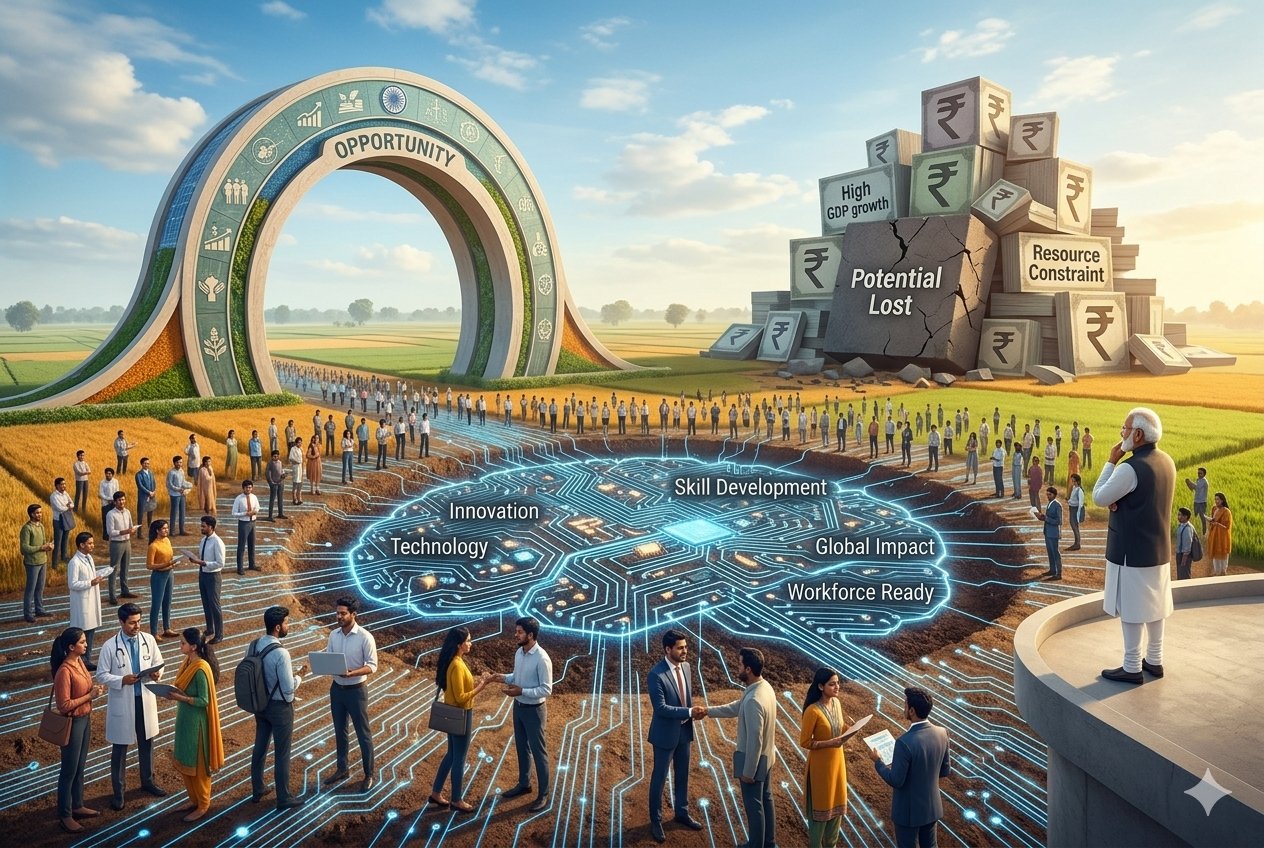
India has the opportunity to turn its domestic economic strengths into a long-term competitive advantage. Achieving this will require consistent reforms, investment in human capital and policies that support sustainable and inclusive development.
Conclusion
The RBI’s assessment of India’s economic resilience in October 2026 highlights the contribution of strong bank credit growth, exports, domestic demand and foreign investment.
While global uncertainty continues to create challenges, India’s diversified economic base and large domestic market provide important sources of stability.
The country’s future growth will depend on its ability to maintain domestic confidence, strengthen international competitiveness and manage external risks effectively. With sustained investment and sound economic policies, India can continue to strengthen its position as an important driver of global economic growth.