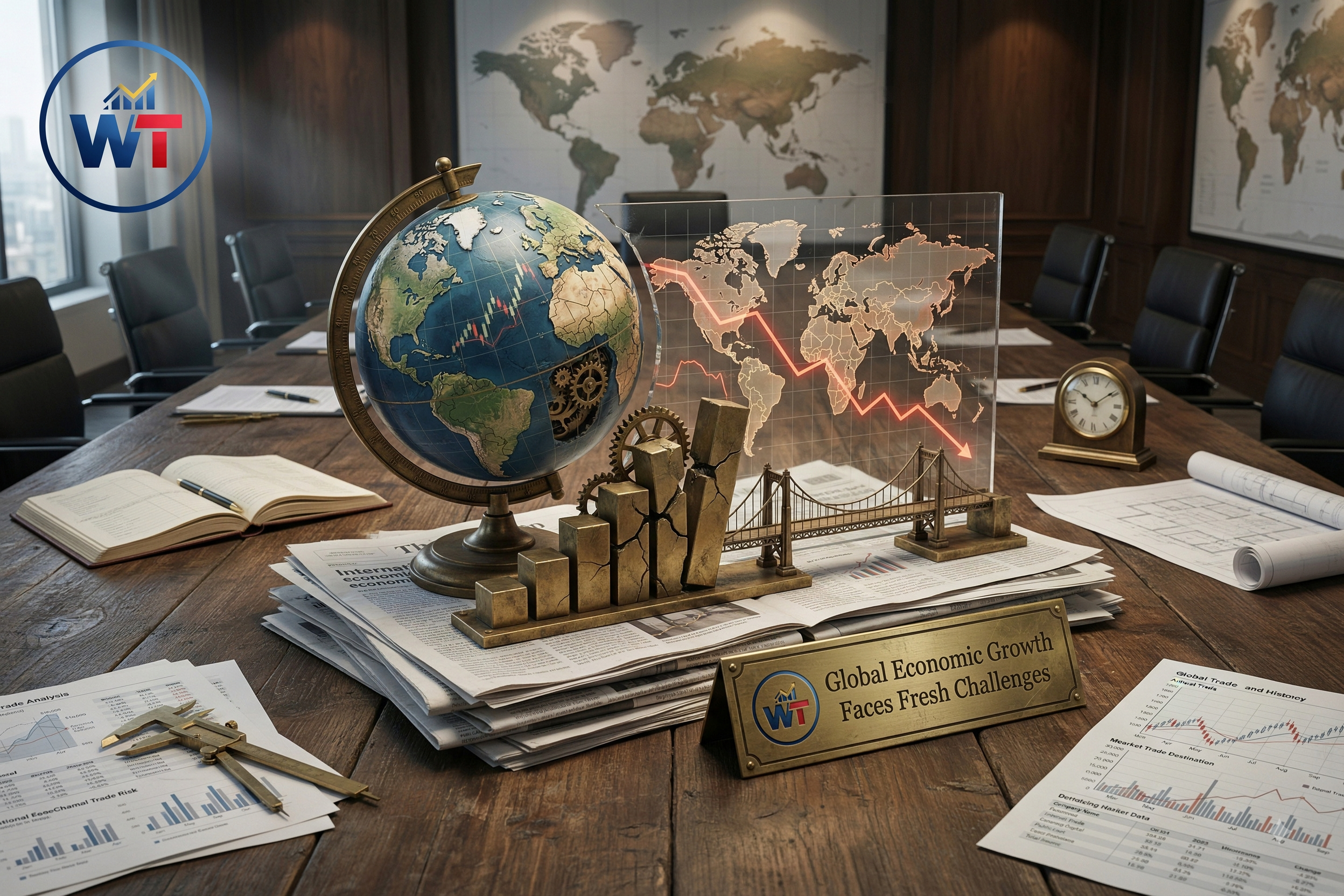
The global economy is entering another challenging phase as rising geopolitical tensions, higher borrowing costs, trade uncertainties, and changing financial conditions continue to put pressure on economic growth. While several economies have demonstrated resilience in recent years, the road ahead remains uncertain. Governments, businesses, investors, and consumers are facing a complex economic environment in which maintaining stability and encouraging sustainable growth have become increasingly difficult.
Global economic growth is influenced by several interconnected factors, including international trade, investment, consumer demand, inflation, monetary policy, and political stability. Today, disruptions in any one of these areas can quickly affect economies across the world. As countries become more interconnected, economic challenges are no longer confined within national borders.
Geopolitical Tensions Create Economic Uncertainty
One of the biggest challenges facing the global economy is the growing uncertainty surrounding international relations. Ongoing conflicts, regional tensions, trade restrictions, and political disagreements have disrupted global supply chains and affected investor confidence.
International businesses depend heavily on stable trade relationships and predictable regulations. However, geopolitical tensions can increase transportation costs, delay shipments, restrict access to essential resources, and create uncertainty around future investments.
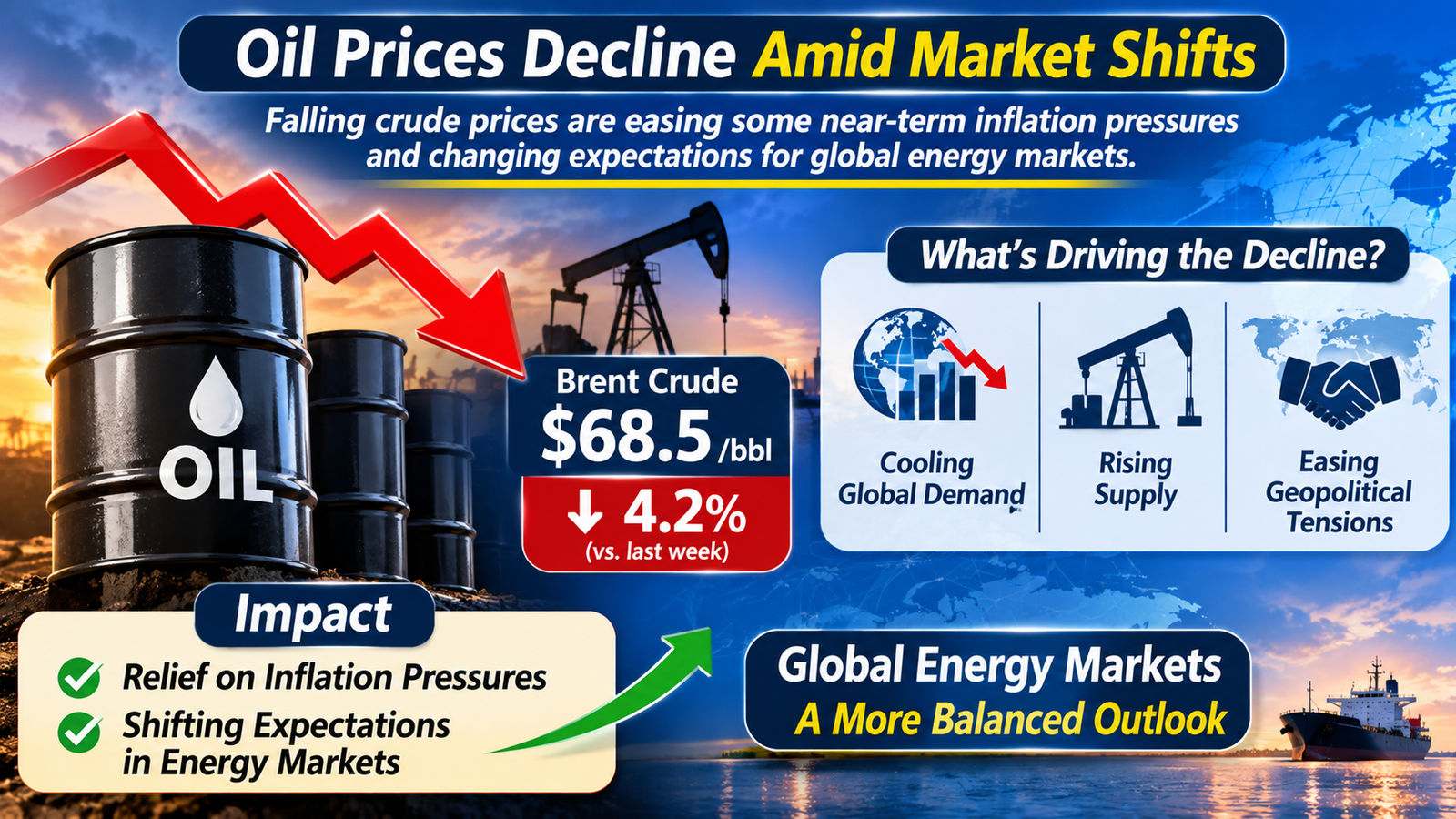
Energy markets are particularly vulnerable to geopolitical developments. Any disruption to oil and gas supplies can increase energy prices, raise production expenses, and contribute to inflation. Countries that depend heavily on imported energy may face additional pressure on their trade balances and domestic economies.
Furthermore, increasing trade barriers and protectionist policies could weaken international cooperation. Although governments may introduce such measures to protect domestic industries, excessive restrictions can reduce market access, increase business costs, and slow global trade.
Higher Borrowing Costs Put Pressure on Businesses and Consumers
Another major obstacle to economic expansion is the continued impact of relatively high borrowing costs. Central banks across major economies have been balancing the need to control inflation with the responsibility of supporting economic activity.
Higher interest rates make loans more expensive for businesses and households. Companies may postpone expansion plans, reduce capital expenditure, or reconsider hiring decisions because financing new projects becomes costlier.
Small and medium-sized enterprises (SMEs) are particularly vulnerable because they often depend on bank loans and working capital facilities to manage their operations. Increased borrowing costs can limit their ability to invest in technology, expand production, and create employment opportunities.
Consumers also feel the impact. Higher mortgage payments, personal loan instalments, and credit card interest expenses can reduce disposable income. As household budgets become tighter, spending on non-essential goods and services may decline.
This reduction in consumption can create a wider economic impact, affecting retailers, manufacturers, service providers, and other industries that depend on consumer demand.
Inflation and the Cost of Living Remain Important Concerns
Although inflation has moderated in several economies compared with its earlier peaks, the cost of living remains a significant concern for households worldwide.
Food, housing, healthcare, transportation, and energy expenses continue to influence consumer confidence. Even when inflation slows, prices generally do not return to their previous levels. This means households may continue to experience financial pressure despite improvements in headline inflation figures.
For governments, managing inflation while protecting economic growth is a difficult balancing act. Excessively tight monetary policies can slow investment and consumption, while premature policy easing may create renewed inflationary pressures.
Developing economies face additional challenges, including currency volatility, external debt obligations, and exposure to fluctuations in international commodity prices.
Global Trade and Supply Chains Face Fresh Challenges
International trade remains an essential driver of economic development, but supply chains are becoming increasingly exposed to political, logistical, and financial risks.
Businesses are reconsidering their sourcing and manufacturing strategies to reduce dependence on a limited number of countries or suppliers. While diversification can improve resilience, it may also increase short-term operating costs.
Shipping disruptions, changing trade policies, tariffs, and transportation expenses can affect the prices and availability of essential goods. Industries such as automobiles, electronics, pharmaceuticals, agriculture, and manufacturing are particularly sensitive to these developments.
At the same time, technological advancements and digital trade are creating new opportunities. Artificial intelligence, automation, and advanced manufacturing systems can improve productivity and help companies operate more efficiently. However, these benefits require investment, skilled workers, and supportive infrastructure.
Emerging Economies Face Greater Financial Pressure
Developing and emerging economies are particularly exposed to global financial uncertainty. Many countries are dealing with high public debt, currency fluctuations, limited fiscal resources, and increasing costs of international borrowing.
When interest rates rise in major economies, international investors may shift their funds towards assets offering relatively higher returns and lower perceived risks. This can put pressure on emerging-market currencies and increase the cost of servicing foreign-currency debt.
According to the World Bank’s 2026 Global Economic Prospects outlook, global growth is projected to slow to 2.5% in 2026, with emerging and developing economies facing significant challenges from higher energy prices and borrowing costs. World Bank+1
For countries with limited financial resources, these pressures can restrict spending on infrastructure, education, healthcare, and employment generation. Strengthening financial institutions, improving fiscal management, and encouraging private investment will therefore remain essential.
Technology and Innovation Offer a Path Forward
Despite the challenges, technological innovation offers an important opportunity to strengthen global economic growth. Artificial intelligence, digital transformation, automation, renewable energy, and advanced manufacturing have the potential to improve productivity and create new industries.
Businesses that invest in technology can reduce operational costs, improve efficiency, and develop new products and services. Governments can also benefit from digital infrastructure, improved public services, and technology-driven employment opportunities.
However, the benefits of technological advancement must be distributed more widely. Developing countries need better digital infrastructure, affordable access to technology, and skilled workforces to participate effectively in the evolving global economy.
The International Monetary Fund’s October 2026 outlook projects global economic growth at 3.1% in 2026 and 3.4% in 2027, while highlighting geopolitical tensions, fiscal vulnerabilities, and uncertainty surrounding artificial intelligence as important risks. International Monetary Fund+1
What Lies Ahead for the Global Economy?
The future direction of global growth will largely depend on how effectively governments and financial institutions respond to these interconnected challenges.
Central banks will need to carefully balance inflation control with economic stability. Governments must focus on responsible public spending, sustainable debt management, infrastructure development, and policies that encourage business investment.
International cooperation will also play a crucial role. Countries need to strengthen trade relationships, improve supply-chain resilience, promote energy security, and establish predictable economic policies.
Businesses, meanwhile, must become more adaptable by diversifying supply chains, managing financial risks, investing in innovation, and identifying opportunities in emerging markets.
The global economy has demonstrated its ability to withstand major disruptions, but resilience alone cannot guarantee long-term prosperity. Sustainable growth will require stronger institutions, responsible policymaking, international collaboration, and investment in human and technological development.
The Worldonomics Times View
The Worldonomics Times believes that the current global economic environment represents a critical test of international economic resilience. Geopolitical tensions, expensive borrowing, inflationary pressures, and trade uncertainties are not isolated challenges; they are interconnected risks that require coordinated and forward-looking solutions.
Governments should avoid relying solely on short-term measures and instead prioritise long-term economic stability, productive investment, employment generation, and financial discipline. Central banks must remain vigilant against inflation while ensuring that monetary policies do not unnecessarily restrict economic activity.
Equally important is the need to strengthen international cooperation. Economic protectionism and prolonged trade disputes may offer temporary advantages to individual countries but can create broader challenges for global prosperity.
The Worldonomics Times believes that technology, sustainable infrastructure, renewable energy, and stronger global partnerships can become powerful drivers of the next phase of economic development.
The challenge ahead is not simply to protect the global economy from uncertainty, but to build an economic system that is more inclusive, adaptable, competitive, and resilient.