The Worldonomics Times
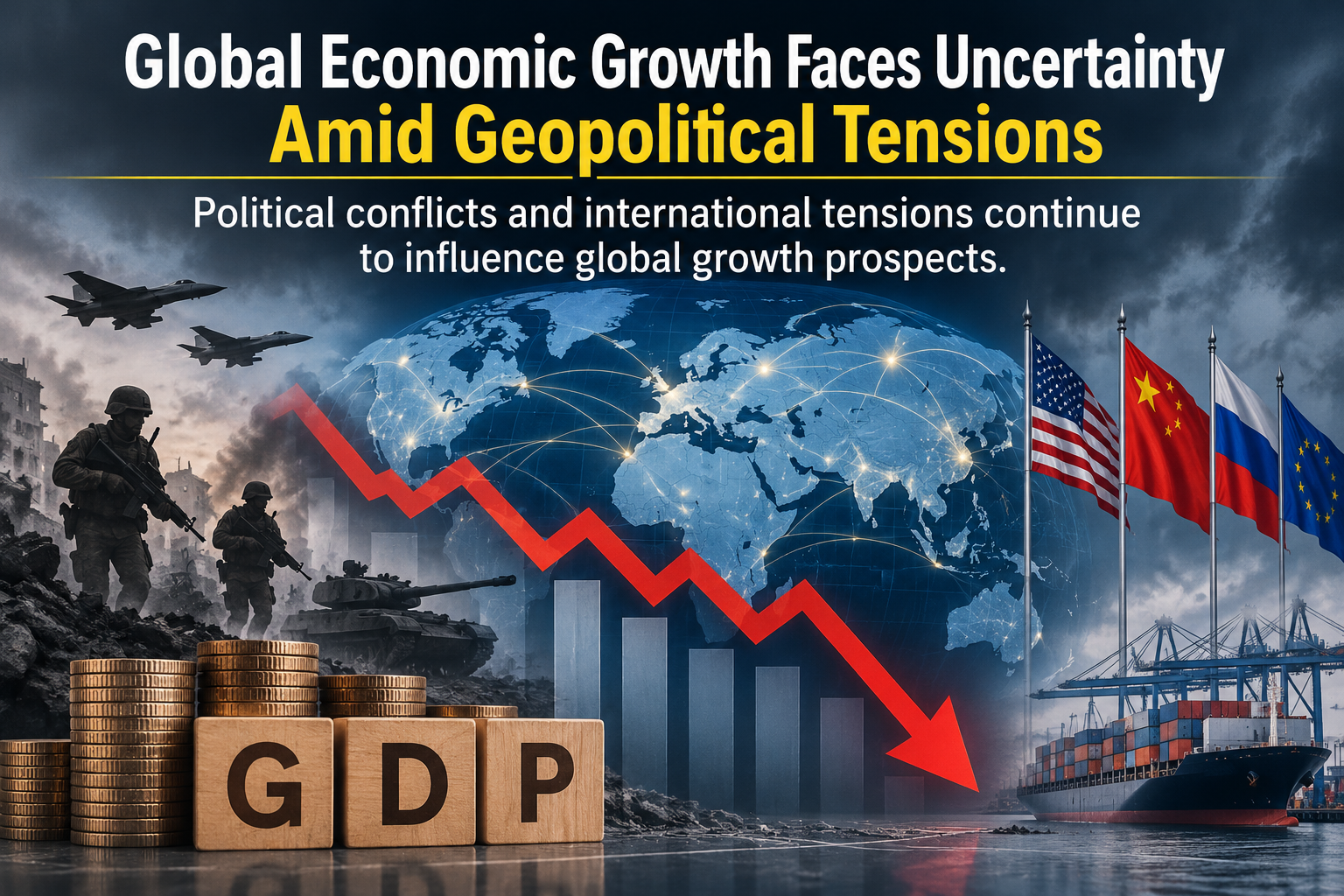
The renewed trade tensions between the United States and China are creating fresh uncertainty across international markets, raising concerns about global investment, supply chains, manufacturing, and economic stability. The latest tariff proposals announced by the Trump administration have once again brought the world’s two largest economies into the spotlight, with businesses and investors closely monitoring the potential consequences for international trade.
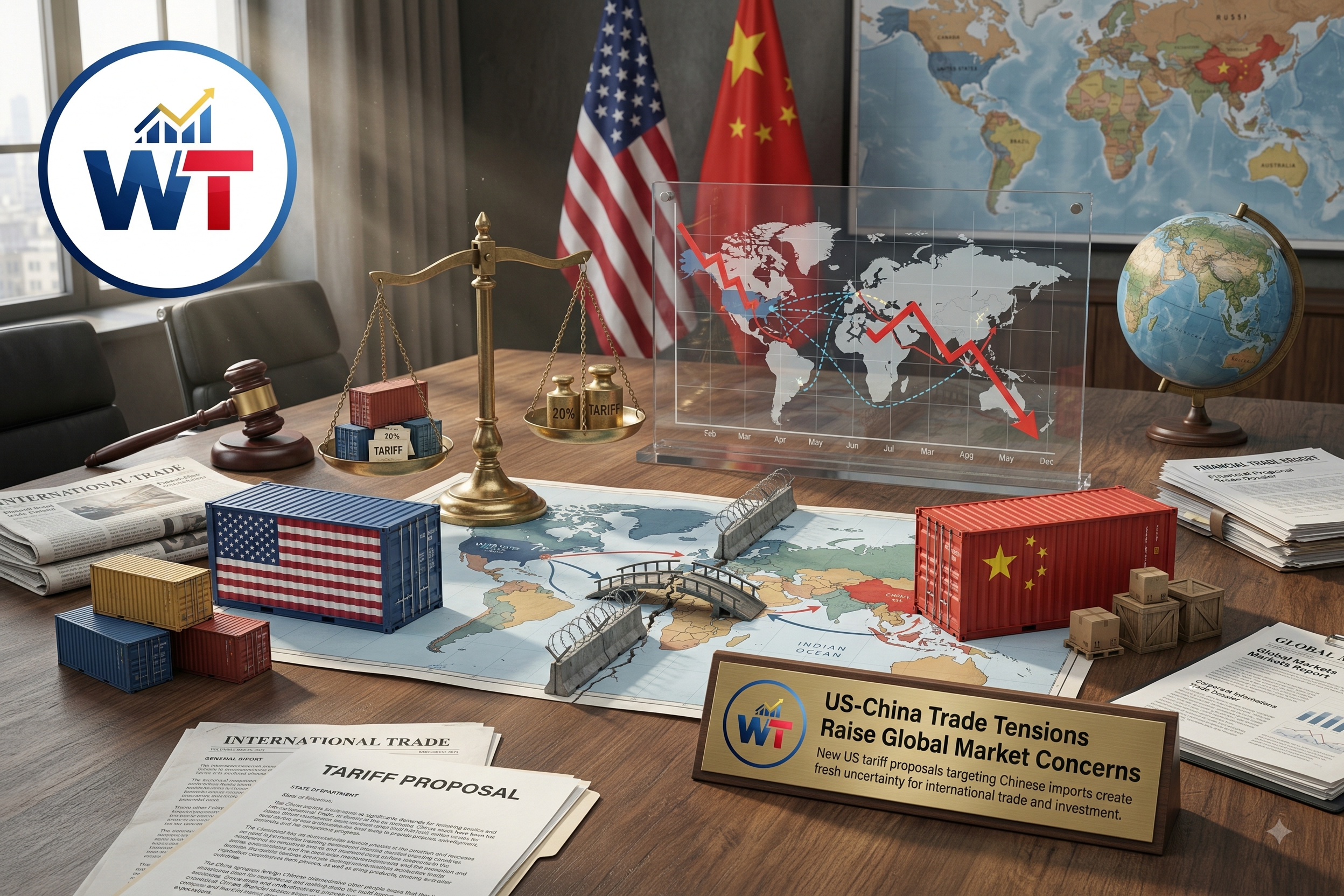
On November 25, 2026, the United States proposed a new round of tariffs targeting imports from China and several other major trading partners. The proposals follow a US investigation into what Washington describes as structural excess manufacturing capacity and production in international markets. The move has increased concerns that trade restrictions could become a major obstacle to global economic cooperation.
Although the proposed measures are not yet final, their announcement has already created uncertainty for businesses, manufacturers, exporters, and financial markets.
New US Tariff Proposals Increase Trade Uncertainty
The latest US trade measures are aimed at addressing concerns about industrial overcapacity and what the administration considers unfair competition from foreign manufacturers. China is among the principal targets, alongside the European Union, Japan, India, South Korea, Vietnam, and other economies.
Under the proposal, Chinese imports could face an additional tariff of 20%, subject to the applicable existing arrangements. The rate could potentially rise to 40% if the current trade truce between Washington and Beijing is not extended. The proposals are part of a broader trade strategy intended to protect domestic American industries and encourage more balanced international trade.
However, these developments have raised questions about the future direction of US-China economic relations. While Washington argues that tariffs can protect domestic manufacturers, critics warn that higher import duties may increase costs for American businesses and consumers.
The proposed measures also remain subject to a public consultation and review process, meaning their final structure and implementation could change.
China-US Trade Relationship Faces Renewed Pressure
The economic relationship between the United States and China is one of the most significant components of the global trading system. Both countries depend on extensive commercial relationships involving electronics, machinery, consumer products, industrial components, technology, and agricultural goods.
Over the years, trade disagreements have expanded beyond tariffs to include technology restrictions, intellectual property, industrial subsidies, market access, and strategic competition.
The latest proposals arrive at a sensitive moment when both governments are attempting to maintain a temporary trade truce and continue diplomatic engagement. The existing arrangement is scheduled to remain in place until January 10, 2027, providing an important window for negotiations.
China has rejected the accusations surrounding manufacturing overcapacity and indicated that it reserves the right to protect its economic interests. Any retaliatory measures could further complicate trade relations and increase uncertainty for companies operating across both markets.
Global Supply Chains Could Face Fresh Disruptions
One of the biggest concerns surrounding the proposed tariffs is their potential impact on global supply chains. Modern manufacturing relies on interconnected production networks in which components, raw materials, and finished products frequently cross multiple international borders.
China remains an important manufacturing and export centre for industries such as electronics, automobiles, machinery, solar equipment, textiles, and consumer goods.
Higher tariffs could encourage American companies to reconsider their sourcing strategies and shift some manufacturing operations to alternative locations. Although diversification may reduce dependence on individual markets, establishing new production facilities requires significant investment, infrastructure, skilled labour, and time.
Countries such as India, Vietnam, Indonesia, Malaysia, and Mexico could attract additional manufacturing investment as companies explore alternative production destinations. However, these economies may also face pressure if trade restrictions expand or if redirected Chinese exports increase competition in their domestic markets.
For international businesses, the priority will increasingly be to develop flexible supply chains that can withstand sudden changes in trade policy.
Financial Markets and Investors Remain Cautious
Trade uncertainty can have a significant influence on financial markets. Investors generally prefer stable economic conditions, predictable regulations, and consistent international trade policies.
When tariff announcements create uncertainty, companies may delay investment decisions, reconsider expansion plans, and reassess their earnings expectations. Businesses with substantial exposure to international trade may face additional pressure from higher input costs and reduced access to overseas markets.
Stock markets can also experience volatility as investors evaluate the potential impact of trade restrictions on corporate profitability and global economic growth.
Currency markets may respond to changing expectations around international trade, capital flows, and economic performance. Meanwhile, commodities such as industrial metals, energy resources, and agricultural products could experience price fluctuations depending on the direction of trade policies.
The longer uncertainty continues, the more difficult it becomes for businesses to make long-term investment and production decisions.
Impact on American Businesses and Consumers
Although tariffs are generally introduced to protect domestic industries, their economic impact can extend beyond foreign exporters.
American manufacturers importing components, machinery, and raw materials from China could experience higher production expenses. These additional costs may eventually be reflected in the prices of finished goods.
Small and medium-sized businesses could face particular difficulties because they often have fewer suppliers and less negotiating power than large multinational corporations.
Consumers may also experience higher prices for certain imported products, including electronics, household appliances, machinery, and other manufactured goods.
At the same time, some American industries could benefit from reduced competition and stronger demand for domestically manufactured products. The overall outcome will depend on how effectively domestic producers can increase capacity, maintain competitive prices, and meet market demand.
Opportunities and Challenges for India
The renewed trade tensions could create both opportunities and challenges for India. As international companies seek to diversify manufacturing operations, India has the potential to strengthen its position as an alternative production and investment destination.
Sectors such as electronics, pharmaceuticals, automobiles, textiles, engineering goods, and renewable energy could benefit from changing global sourcing strategies.
However, India is also among the economies covered by the latest US tariff proposals. This means Indian exporters must carefully assess the potential implications for market access, competitiveness, and trade negotiations.
A balanced approach involving stronger domestic manufacturing, improved infrastructure, competitive production costs, and constructive diplomatic engagement will be essential.
India’s ability to attract long-term investment while maintaining stable international trade relationships could become increasingly important in the changing global economic environment.
What Lies Ahead for Global Trade?
The coming months will be important in determining whether the latest tariff proposals lead to further trade restrictions or encourage renewed negotiations between major economies.
Businesses will be watching the consultation process, the January 2027 trade-truce deadline, and the possibility of retaliatory measures. International investors will also assess whether policymakers can maintain economic stability while addressing domestic industrial concerns.
The future of global trade will depend not only on tariff decisions but also on cooperation, technological development, supply-chain diversification, and predictable economic policies.
The Worldonomics Times View
The Worldonomics Times believes that the renewed US-China trade tensions highlight the growing challenges facing an interconnected global economy. While governments have legitimate interests in protecting domestic industries, excessive dependence on tariffs and trade restrictions can create unintended consequences for businesses, consumers, and international investment.
Tariffs may provide temporary protection to selected industries, but they cannot independently solve deeper structural problems such as productivity gaps, manufacturing inefficiencies, technology dependence, and weak industrial competitiveness.
The United States and China must recognise that their economic relationship has implications far beyond their national borders. A prolonged trade conflict could disrupt international supply chains, increase production costs, weaken investor confidence, and create additional pressure on emerging economies.
For countries such as India, the changing trade environment presents an opportunity to attract investment and expand manufacturing capabilities, but this opportunity must be supported by competitive policies and stable international partnerships.
The Worldonomics Times believes that sustainable global economic growth depends on fair competition, transparent trade policies, and international cooperation rather than prolonged economic confrontation. The real priority should be building a global trading system that encourages innovation, investment, and shared prosperity.