The establishment of the Data Protection Board of India marks an important development in India’s data protection regime. However, the transition from statutory establishment to actual regulatory functioning raises a practical question for businesses: should a Data Fiduciary begin preparing for potential proceedings before the appointments and operational arrangements of the Board are complete?
The answer is yes. Regulatory preparedness should not depend upon the date on which the regulator begins exercising its functions.For businesses handling substantial volumes of personal data, preparation is not merely a compliance exercise. It is also a matter of risk management, corporate governance and preservation of evidence.
The statutory framework
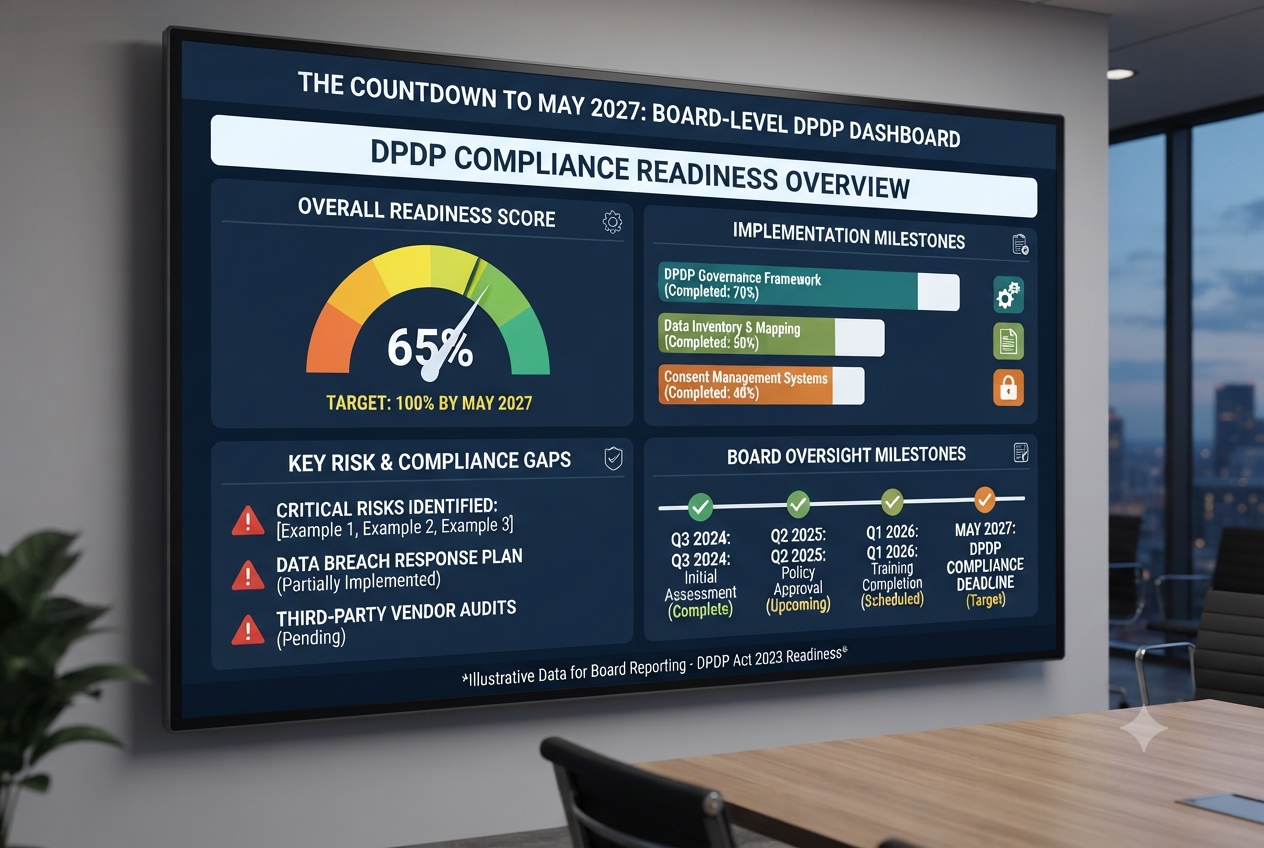
Sections 18 and 19 of the Digital Personal Data Protection Act, 2023 provide for the establishment and composition of the Board.Section 20 addresses the salary, allowances and term of office of the Chairperson and members. Sections 21 and 22 deal with disqualifications and resignation, while section 23 provides for proceedings of the Board.The statutory framework demonstrates that Parliament intended the Board to function as an institutional regulator rather than as a purely administrative body.Section 27 provides for its powers and functions, while section 28 deals with the procedure to be followed while exercising those powers.Section 28 is particularly relevant to businesses because it contemplates an inquiry-based regulatory process. The Board is intended to have a defined procedure for dealing with complaints and other matters falling within its jurisdiction.However, the commencement notification must be kept in view. Section 27, except clause (d) of section 27(1), and section 28 are scheduled to commence on 13 May 2027.Therefore, preparation for future proceedings should not be confused with the existence of an immediately exercisable adjudicatory process.
Why should businesses prepare now?
A company that begins preparing only after receiving a regulatory notice may find it difficult to reconstruct its data-processing activities.In many organisations, personal data is handled across several departments, including human resources, marketing, customer support, finance, information technology and third-party service providers.A data incident may involve more than one system or vendor. Without proper records, identifying the source of an incident, the categories of affected personal data and the remedial measures taken may become difficult.This is particularly relevant because the DPDP Act places responsibility on the Data Fiduciary for processing undertaken by it or on its behalf by a Data Processor.Section 8(1) expressly recognises this responsibility. Although the substantive obligations under section 8 are scheduled to commence in May 2027, businesses would be well advised to align their internal systems with the statutory framework in advance.
Five areas requiring attention
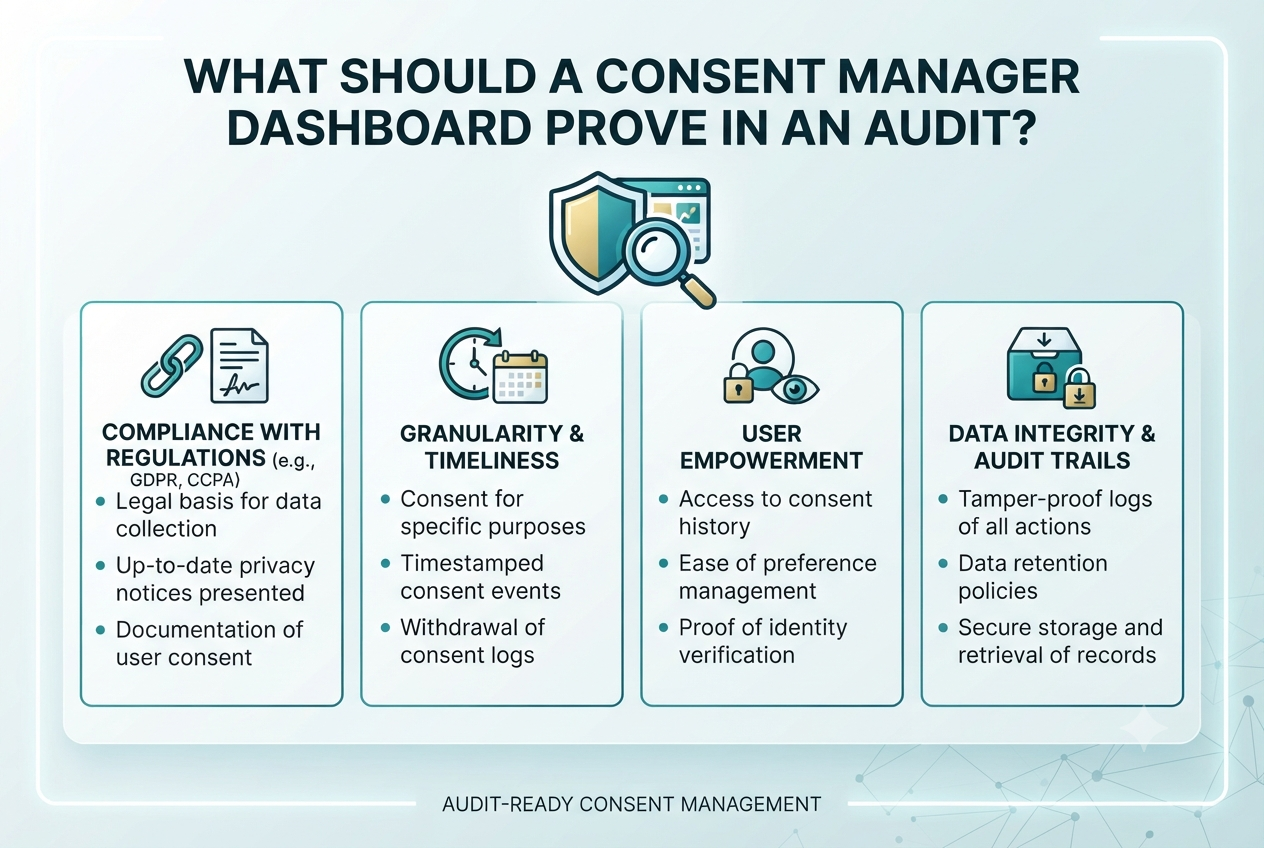
1. Data-processing inventoryThe first step should be to identify what personal data the organisation collects, why it collects it, where it is stored and with whom it is shared.A proper inventory should identify the relevant departments, systems, vendors and retention practices.Without this exercise, it becomes difficult to assess the impact of a breach or respond to questions concerning the organisation’s processing activities.2. Vendor and Data Processor arrangementsOrganisations should review their agreements with cloud service providers, payroll companies, customer relationship management platforms and other service providers handling personal data.The review should examine security responsibilities, incident reporting, cooperation requirements, data retention and deletion arrangements.Section 8(2) contemplates the engagement of Data Processors under a valid contract. Businesses should therefore examine whether their existing contractual arrangements are capable of supporting the obligations contemplated by the Act when they become applicable.3. Incident documentationEvery material security incident should be documented, irrespective of whether it ultimately qualifies as a personal data breach under the statutory definition.The organisation should maintain records of the date of discovery, systems affected, nature of the incident, persons responsible for investigation and remedial measures.This will help establish a reliable chronology if the incident is subsequently examined by a regulator.4. Internal responsibility and escalationA company should clearly identify who is responsible for privacy compliance and incident management.Legal, compliance, IT and senior management teams should have defined responsibilities. A failure to establish internal accountability can delay decisions at precisely the time when a quick response is required.5. Evidence preservationBusinesses should adopt procedures for preserving relevant electronic records, access logs, emails, vendor communications and internal investigation reports.If a regulatory inquiry or litigation subsequently arises, the organisation should be able to demonstrate what happened and how it responded.
What about the Board’s appointments?
In October 2026, the Kerala High Court in C.R. Neelakandan v. Union of India, WP(PIL) No. 15 of 2026, recorded the Government’s submission that the Board had been constituted but was not yet functional.The Court expressed the expectation that it would become functional within eight weeks.The MeitY circular dated 6 May 2026, inviting applications for the Chairperson and members, also reflects the importance of completing the institutional appointment process.The appointment process and operationalisation are matters for the Government. Businesses, however, should not make their compliance strategy dependent upon the completion of that process.
A practical distinction
It is important to distinguish between preparing for regulatory proceedings and treating those proceedings as already available.A company may undertake a privacy audit, review its contractual arrangements, establish an incident-response mechanism and train its employees without waiting for the Board.However, it should not assume that section 28 proceedings can presently be initiated under the future procedural framework merely because the Board has been established.Similarly, internal preparedness should not be described as proof that every substantive obligation under the DPDP Act is already enforceable.
Conclusion
The most effective time to prepare for a regulatory inquiry is before one begins.For Data Fiduciaries, the operationalisation of the Board should be viewed as a reason to accelerate governance and documentation rather than as the starting point for compliance.Businesses that maintain proper records, review vendor arrangements and establish internal accountability will be better positioned to respond when the Board’s adjudicatory framework becomes operational.The objective should not simply be to respond to a regulatory notice. It should be to ensure that the organisation can demonstrate that its data-processing activities are properly understood, documented and governed.