By The Worldonomics Times
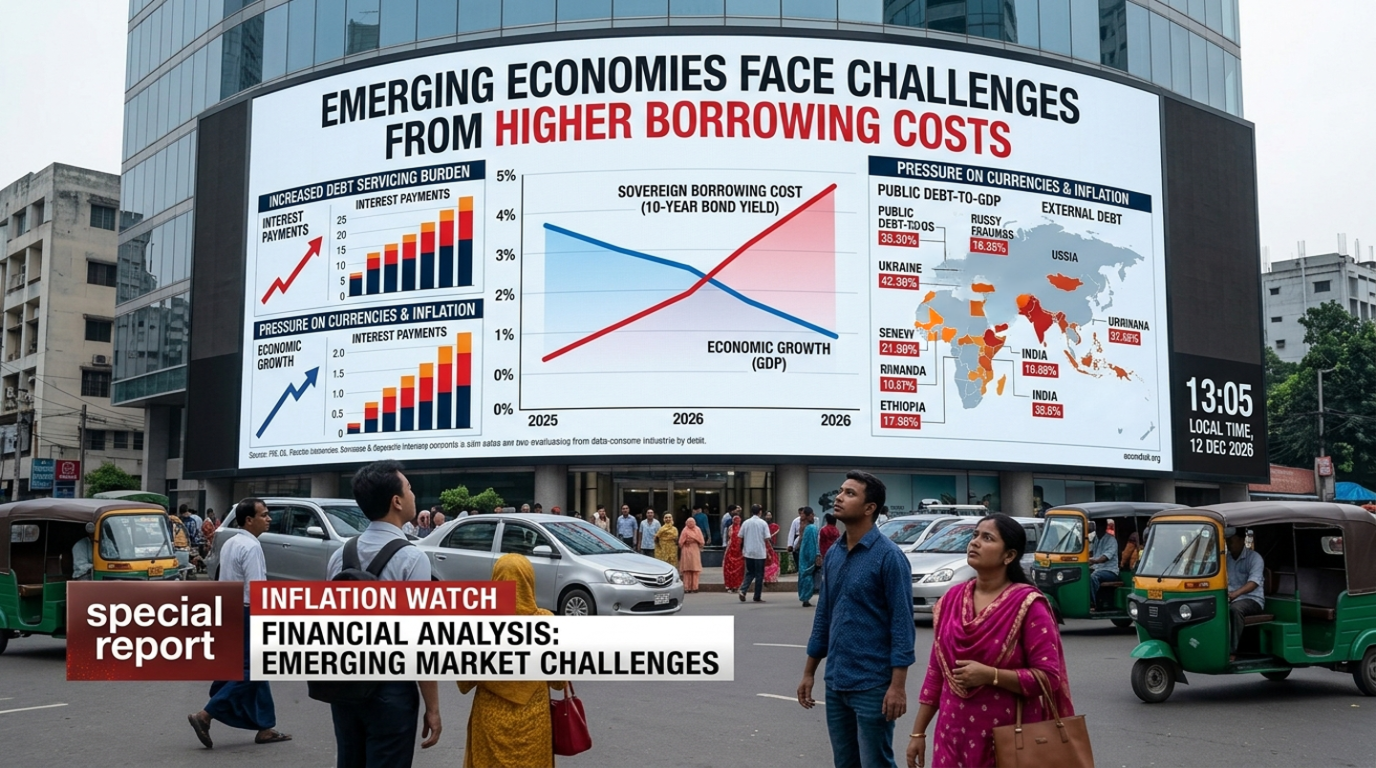
Emerging economies are facing growing financial pressure as higher borrowing costs, rising public debt, currency fluctuations, and uncertain global economic conditions make access to affordable finance increasingly difficult. Governments across developing countries depend on borrowing to fund infrastructure, healthcare, education, energy projects, and other essential development programmes. However, elevated interest rates are increasing the cost of servicing existing debt and making new investments more expensive.
The challenge has become particularly serious for countries with substantial external debt, limited foreign exchange reserves, and weaker fiscal positions. As international investors reassess financial risks, governments may have to pay higher interest rates to attract capital, placing additional pressure on public finances.
According to the World Bank’s International Debt Report 2026, the external debt of developing countries reached a record $9.4 trillion in 2025, representing a 5.5% increase from the previous year. Developing economies also paid approximately $1.4 trillion in principal and interest payments during 2025. These figures highlight the growing financial burden faced by countries seeking to maintain economic development while managing rising debt obligations.
Rising Global Interest Rates Increase Borrowing Costs
One of the main reasons behind higher borrowing costs in emerging economies is the changing global interest rate environment.
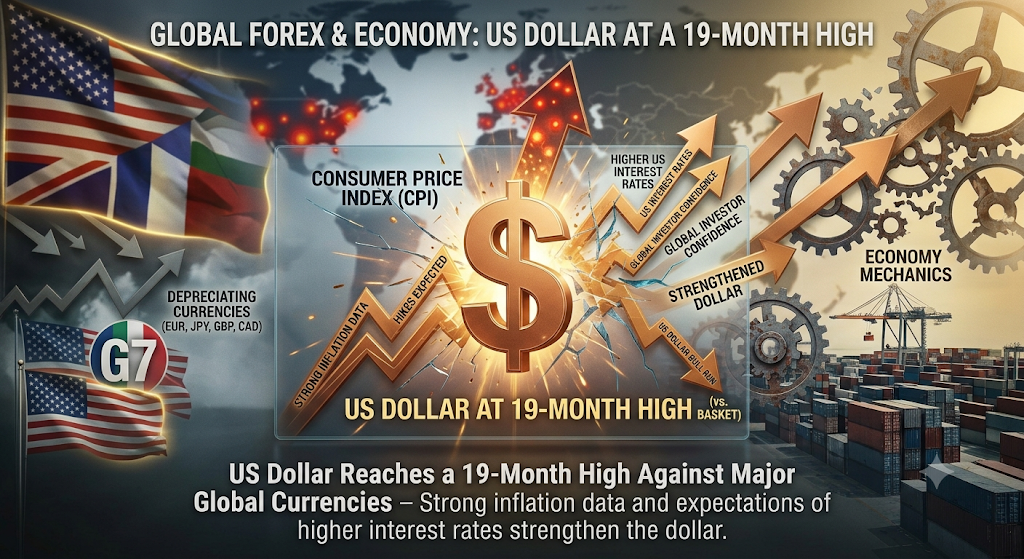
When major central banks, particularly the US Federal Reserve, maintain higher interest rates, international investors may prefer relatively safer assets offering attractive returns. This can reduce the flow of investment towards emerging markets and increase the cost of raising funds through international financial markets.
Governments in developing countries often have to offer higher interest rates to attract foreign investors. Countries with weaker credit ratings or greater political and economic uncertainty may face even more expensive borrowing conditions.
According to the International Monetary Fund’s October 2026 analysis, rising government bond yields in advanced economies are contributing to higher financing costs internationally. Increased public debt, persistent inflation, and competition for investment capital are among the factors influencing global borrowing conditions.
Consequently, emerging economies are becoming more exposed to changes in international financial markets.
Growing Public Debt Creates Fiscal Pressure
Higher borrowing costs become particularly challenging when governments already carry substantial debt.
When a larger share of government revenue is allocated towards interest payments, fewer resources remain available for infrastructure development, public healthcare, education, social welfare, and other essential services.
The World Bank’s June 2026 Global Economic Prospects report highlighted that government debt in emerging market and developing economies had increased from below 40% of GDP in 2010 to more than 70%. The report also estimated that debt-servicing costs had risen from approximately 6% of government revenue in 2010 to 11% in 2025.
This situation can create a difficult cycle. Governments borrow to finance existing obligations, but additional borrowing increases debt levels and can lead to even higher interest expenses.
For countries with limited fiscal flexibility, managing this cycle becomes a major economic priority.
Currency Depreciation Adds to External Debt Burdens
Currency fluctuations are another important challenge for emerging economies, particularly those that borrow in foreign currencies such as the US dollar.
When a country’s domestic currency weakens against the dollar, the cost of repaying foreign-currency debt increases when measured in local currency.
For example, a government that borrows in dollars may need significantly more domestic currency to meet the same repayment obligation if its exchange rate depreciates.
Currency weakness can also increase the cost of imported oil, machinery, technology, and industrial raw materials. This may contribute to domestic inflation and place additional pressure on businesses and consumers.
Countries with limited foreign exchange reserves are especially vulnerable because they have fewer resources to manage sudden changes in international capital flows.
Maintaining stable exchange rates, improving export competitiveness, and diversifying sources of foreign investment are therefore important for reducing financial vulnerability.
Businesses and Private Investment Face Higher Financing Costs
Higher borrowing costs affect not only governments but also private businesses across emerging markets.
Companies often depend on bank loans, corporate bonds, and external financing to expand production, purchase equipment, develop infrastructure, and introduce new technologies.
When interest rates increase, the cost of financing these activities also rises. Businesses may postpone expansion plans, reduce capital expenditure, or delay hiring.
Small and medium-sized enterprises are particularly vulnerable because they often have limited access to affordable credit and fewer financial resources to absorb higher interest expenses.
Sectors such as construction, manufacturing, renewable energy, real estate, and transportation may experience slower investment when financing becomes expensive.
This can weaken productivity growth, reduce employment opportunities, and limit the ability of emerging economies to compete internationally.
Developing Countries Face Unequal Financing Conditions
Not all emerging economies experience higher borrowing costs to the same extent. Countries with stronger institutions, reliable revenue systems, stable currencies, and better credit ratings generally have greater access to international capital markets.
The poorest developing countries often face much more difficult conditions.
The World Bank’s November 2026 International Debt Report found that countries eligible for concessional financing from the International Development Association paid an average interest rate of 8.2% on new private-creditor commitments in 2025. This was the highest level since 1989.
The report also highlighted that these countries paid an average coupon of 9.4% on new bond issuances.
Such expensive financing can make it difficult for governments to fund long-term development projects while meeting existing repayment obligations.
UNCTAD’s 2026 report on external debt sustainability also highlighted that interest costs on long-term external debt increased by almost 14% in 2025, demonstrating the continuing pressure on developing countries.
India’s Position Amid Higher Borrowing Costs
India’s economy has important advantages compared with several other emerging markets, including a large domestic consumer base, diversified economic activity, a developed domestic financial system, and a growing services and manufacturing sector.
However, India is not completely insulated from changes in global borrowing conditions.
Higher international interest rates can influence foreign investment flows, currency movements, and the cost of raising capital. If international investors demand higher returns, Indian businesses seeking overseas financing may face more expensive funding.
The government must also balance infrastructure investment, social development expenditure, and fiscal discipline while managing public debt.
Strengthening domestic capital markets, encouraging long-term institutional investment, improving tax collection, and maintaining prudent debt management can help reduce dependence on volatile international financing.
India’s continued focus on manufacturing, digital infrastructure, renewable energy, and logistics development can also improve productivity and strengthen its ability to manage external financial shocks.
The Worldonomics Times View
Higher borrowing costs represent a significant challenge for emerging economies because they affect both immediate financial stability and long-term development opportunities.
In our view, governments must treat responsible debt management as a central part of economic planning. Borrowing can support growth when funds are directed towards productive investments, but excessive dependence on expensive debt can weaken public finances and reduce future economic flexibility.
Emerging economies should strengthen domestic revenue collection, improve public spending efficiency, develop local capital markets, and increase transparency in government borrowing.
International financial institutions also have an important role in supporting vulnerable countries through affordable development financing, technical assistance, and more effective debt restructuring mechanisms.
For businesses, improving productivity, maintaining manageable debt levels, and diversifying financing sources will be essential in an environment where credit may remain expensive.
India and other developing economies should focus on strengthening domestic financial institutions while attracting stable, long-term foreign investment.
Ultimately, affordable financing is essential for sustainable economic development. Emerging economies cannot achieve their full potential if an increasing share of national resources is consumed by debt repayments rather than investment in people, infrastructure, and innovation.
The coming years will test the ability of developing countries to balance financial responsibility with economic ambition. Nations that strengthen fiscal management, encourage productive investment, and build resilient financial systems will be better positioned to navigate higher borrowing costs and achieve sustainable growth.