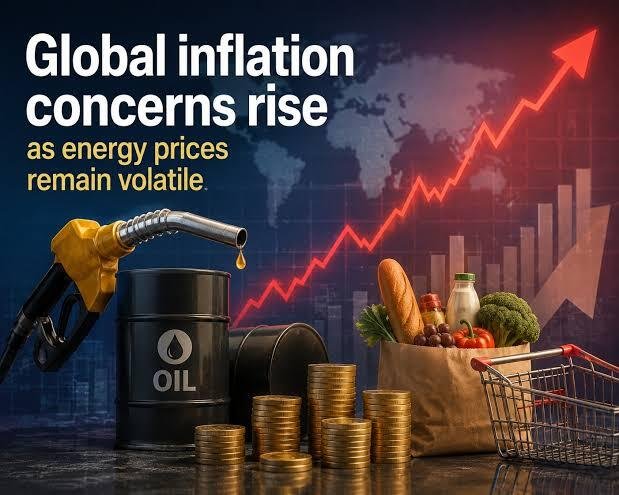
Higher oil and gas prices are increasing production, transportation, and household costs across international markets.
By The Worldonomics Times | Global Economy
Rising energy prices are creating another challenge for the global economy, increasing costs for businesses, governments and households across international markets. Oil and natural gas remain essential inputs for manufacturing, transportation, electricity generation and agriculture. When their prices rise sharply, the impact extends far beyond the energy sector, influencing the cost of everyday goods, international trade and overall economic activity.
In 2026, geopolitical tensions and disruptions to energy supplies have contributed to significant volatility in global commodity markets. According to the World Bank’s October 2026 Commodity Markets Outlook, energy prices are projected to increase by 32% during the year, reversing three consecutive years of declines. Brent crude oil is forecast to average approximately $91 per barrel in 2026, compared with $69 in 2025. The report identifies conflict-related supply disruptions and reduced oil inventories as important factors behind the increase.
Although oil prices eased sharply on November 5 amid changing geopolitical expectations, recent movements demonstrate how quickly international energy markets can respond to political developments and supply concerns. The broader economic effects of elevated and volatile energy costs are likely to remain significant.
Geopolitical Tensions Increase Energy Market Uncertainty
International energy markets are particularly sensitive to geopolitical developments because oil and gas supplies are concentrated in specific regions and transported through important shipping routes. Conflict in the Middle East has disrupted production and transportation, while concerns surrounding the Strait of Hormuz have increased uncertainty about the movement of energy supplies.
The Strait of Hormuz is one of the world’s most important energy transportation routes. Disruptions in this narrow passage can affect oil and liquefied natural gas shipments, creating supply concerns for major importing economies across Asia and Europe.
The United States Energy Information Administration reported that Brent crude averaged $114 per barrel in September 2026, following increased attacks on energy infrastructure and tankers in the Middle East. Prices reached as high as $131 per barrel during the month.
Such developments demonstrate that energy prices are influenced not only by actual production levels but also by expectations about future supply, transportation risks and the availability of reserves. Even temporary disruptions can create uncertainty for businesses that depend on predictable fuel costs.
Higher Production and Transportation Costs
One of the most immediate consequences of rising energy prices is the increase in business operating expenses. Manufacturing industries depend heavily on electricity, natural gas and petroleum-based fuels to operate machinery, maintain production facilities and transport raw materials.
Industries such as steel, chemicals, cement, plastics and automobiles are particularly exposed to higher energy costs. When electricity and fuel become more expensive, manufacturers face pressure on profit margins. Some companies may absorb these additional expenses, while others transfer a portion of the increase to customers through higher product prices.
Transportation is another major area of concern. Airlines, shipping companies, road freight operators and logistics providers depend on fuel to move goods and passengers. Higher diesel, aviation fuel and marine fuel prices increase delivery expenses and can raise the cost of international trade.
These pressures affect global supply chains, particularly businesses that import raw materials or rely on international distribution networks. Companies may respond by renegotiating contracts, changing suppliers, reducing transportation frequency or passing additional costs to consumers.
Household Budgets Face Additional Pressure
Rising energy prices also affect household purchasing power. Higher petrol, diesel, electricity and gas bills leave families with less disposable income for other expenses.
For households with limited financial flexibility, the impact can be particularly difficult. When energy and transportation costs increase, families may reduce spending on non-essential goods, entertainment, travel and other services.
Higher fuel prices can also influence the cost of food and essential products. Agriculture requires energy for irrigation, machinery, processing, storage and transportation. Fertiliser production is also closely connected to natural gas prices. Consequently, higher energy costs can gradually increase the price of agricultural inputs and food products.
This creates a wider cost-of-living challenge, especially in countries where households spend a substantial share of their income on food, electricity and transportation.
Inflation and Economic Growth Under Pressure
Energy prices play an important role in determining inflation trends. When oil and gas prices increase, businesses face higher operating costs, which can eventually translate into higher consumer prices. This creates additional challenges for central banks attempting to maintain price stability.
If energy-driven inflation becomes persistent, central banks may find it difficult to reduce interest rates. Higher borrowing costs can affect household consumption, business investment, housing activity and employment.
Governments also face difficult decisions. They may introduce targeted subsidies, reduce certain taxes or provide financial assistance to vulnerable households. However, such measures can increase pressure on public finances, particularly in countries already dealing with high government debt.
For energy-importing economies, the challenge is even greater. Higher international oil and gas prices increase import bills and can place pressure on national currencies. A weaker currency makes imported energy more expensive, potentially creating another source of inflation.
The Importance of Energy Diversification
The current situation highlights the importance of diversifying energy sources and improving domestic energy security. Countries that depend heavily on imported fossil fuels are more exposed to international price fluctuations and geopolitical disruptions.
Investment in renewable energy, including solar, wind and hydropower, can help reduce long-term dependence on imported fuels. Energy storage systems, modern electricity grids and improved efficiency can also strengthen the reliability of national energy supplies.
However, the transition requires significant investment, infrastructure development and long-term planning. Traditional energy sources will continue to play an important role in many economies while renewable capacity expands.
Businesses can also respond by improving energy efficiency, adopting modern technologies, optimising logistics and diversifying suppliers. These measures can reduce exposure to sudden increases in fuel and electricity costs.
The Worldonomics View
Rising energy prices are not simply a challenge for the oil and gas industry; they represent a broader economic risk. Their effects spread through manufacturing, transportation, agriculture, trade and household consumption, making energy costs an important influence on global inflation and economic growth.
The immediate priority for governments should be to protect vulnerable households and maintain reliable energy supplies without creating unsustainable fiscal burdens. At the same time, businesses must strengthen their ability to manage supply disruptions and unpredictable operating costs.
The longer-term priority should be to build more diversified, efficient and resilient energy systems. Renewable energy investment, improved infrastructure and technological innovation can reduce exposure to external shocks, although these changes require time and consistent policy support.
Conclusion
Higher oil and gas prices are adding pressure to an already uncertain global economic environment. From rising manufacturing expenses and transportation charges to higher household bills and inflation risks, the effects are being felt across international markets.
While geopolitical developments may bring temporary relief to energy prices, continued volatility remains a concern for businesses and policymakers. The ability of economies to manage these pressures will depend on effective economic policies, resilient supply chains and long-term investment in energy security.
As the global economy adjusts to changing energy market conditions, affordability, reliability and diversification will remain central to sustainable economic growth.