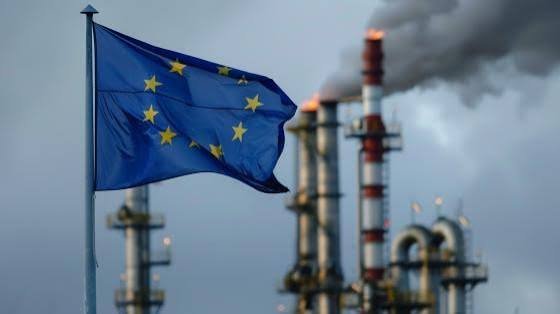
European nations are strengthening their focus on manufacturing, energy affordability and industrial investment to improve global competitiveness, encourage innovation and support long-term economic growth.
European economies are entering an important phase of industrial transformation as governments and businesses seek to strengthen manufacturing capabilities, reduce production costs and attract investment. In an increasingly competitive global environment, Europe faces the challenge of maintaining its position as a major industrial and technological centre while responding to rising energy expenses, international trade pressures and changing global supply chains.
Manufacturing has historically been a major contributor to Europe’s economic strength, supporting employment, exports, technological development and industrial innovation. Countries such as Germany, France, Italy and Spain have established significant industrial capabilities across automobiles, machinery, chemicals, pharmaceuticals, aerospace and engineering. However, changing global economic conditions are encouraging European nations to reconsider their industrial strategies and focus on productivity, energy security and investment in advanced technologies.
Manufacturing Sector Remains Central to Economic Growth
Manufacturing continues to play a significant role in Europe’s economic development. Industrial production supports millions of jobs and contributes to international trade by supplying high-value products and advanced technologies to global markets.
However, European manufacturers are facing increasing competition from economies offering lower production costs, substantial industrial incentives and rapidly expanding manufacturing capabilities.
Industries such as automobiles, steel, chemicals, electronics and machinery are under pressure to improve efficiency while maintaining quality and technological leadership.
To address these challenges, European businesses are investing in automation, robotics, artificial intelligence and advanced manufacturing systems. These technologies can improve productivity, reduce operational inefficiencies and strengthen the competitiveness of European products in international markets.
The transition towards smart manufacturing is also creating demand for skilled professionals and specialised technical expertise.
Rising Energy Costs and Industrial Challenges
Energy affordability remains one of the most important concerns for European industries. Manufacturing sectors such as steel, aluminium, chemicals, cement and glass require substantial amounts of energy to maintain production.
Higher electricity and natural gas costs can increase operating expenses, reduce profit margins and weaken the international competitiveness of European manufacturers.
Energy-intensive companies may reconsider expansion plans or explore alternative production locations when energy prices remain unpredictable.
European governments are therefore focusing on energy diversification, renewable energy development, electricity infrastructure and improved energy efficiency.
Investments in solar power, wind energy, hydrogen technologies and modern electricity networks are intended to strengthen long-term energy security while supporting the transition towards a lower-carbon industrial economy.
However, the transition requires substantial capital investment, reliable infrastructure and effective coordination between governments and private-sector participants.
Industrial Investment and Technological Innovation
Industrial investment is becoming a major priority as European countries seek to modernise their manufacturing sectors and strengthen domestic production capabilities.
Investment in semiconductor manufacturing, battery production, artificial intelligence, clean technologies and advanced machinery is expected to influence Europe’s future industrial structure.
The development of semiconductor capabilities is particularly important because chips are essential components in automobiles, telecommunications, industrial equipment and consumer electronics.
Similarly, battery manufacturing and electric vehicle technologies are central to the transformation of the automotive industry.
European businesses are also increasing their focus on research and development to create innovative products and improve manufacturing processes.
Greater collaboration between universities, research institutions, technology companies and industrial manufacturers can help accelerate innovation and strengthen Europe’s position in emerging industries.
Green Transition and Sustainable Manufacturing
Europe’s industrial competitiveness is increasingly connected with its environmental and sustainability objectives.
Governments and companies are working towards reducing carbon emissions, improving resource efficiency and adopting cleaner production technologies.
The transition towards sustainable manufacturing is creating opportunities in renewable energy equipment, electric mobility, energy storage, recycling and low-carbon industrial processes.
However, businesses must manage the financial implications of adopting new technologies. Smaller manufacturers may face difficulties financing expensive equipment upgrades and meeting evolving environmental requirements.
A successful green industrial transition will therefore require accessible financing, technological support, predictable regulations and infrastructure development.
Balancing environmental objectives with industrial productivity will remain a major policy consideration.
Global Competition and International Trade
European industries operate in an increasingly competitive global marketplace. International trade policies, tariffs, government subsidies and geopolitical developments are influencing manufacturing investment decisions.
Competition from the United States and Asian economies is encouraging European policymakers to strengthen industrial incentives and improve the business environment.
At the same time, European companies must maintain access to international markets and reliable sources of critical raw materials.
Diversifying supply chains and developing strategic partnerships can reduce exposure to external disruptions. However, excessive dependence on domestic production could increase costs and limit the advantages of international specialisation.
Maintaining a balance between industrial self-reliance and global economic cooperation will be important for Europe’s long-term competitiveness.
Employment and the Future of European Industry
Industrial transformation is also reshaping Europe’s employment landscape. Automation and digitalisation are changing traditional manufacturing roles while increasing demand for professionals with expertise in engineering, robotics, artificial intelligence and data analysis.
Workforce development and vocational training will be essential to ensure that employees can adapt to changing industrial requirements.
Small and medium-sized enterprises also require access to financing, digital technologies and skilled workers to participate effectively in the industrial transformation.
Strengthening these businesses can support employment, regional development and industrial supply chains across Europe.
The Worldonomics Times View
The Worldonomics Times believes that Europe’s industrial competitiveness will depend on its ability to combine technological innovation, affordable energy, strategic investment and workforce development.
The region possesses established industrial capabilities, advanced research institutions and a skilled workforce. However, maintaining its position in the global economy requires continuous adaptation to changing production technologies, international competition and evolving energy requirements.
European policymakers must focus on creating an environment that encourages private investment, supports manufacturing innovation and improves access to affordable energy. At the same time, industrial regulations and sustainability requirements should provide businesses with predictable frameworks for long-term planning.
Greater cooperation between European nations can also strengthen research capabilities, improve infrastructure connectivity and support the development of strategic industries.