By The Worldonomics Times
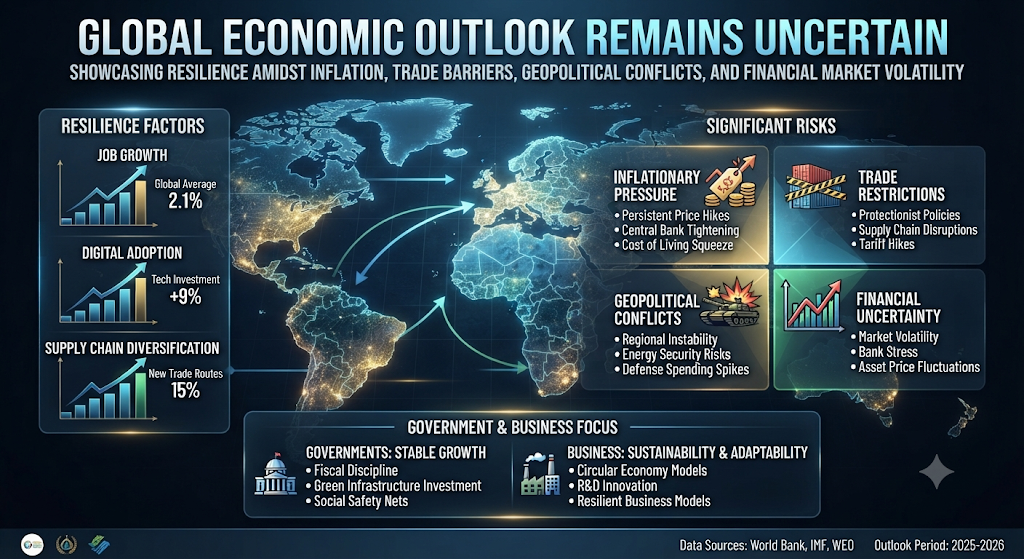
The global economy continues to demonstrate resilience despite persistent economic and geopolitical challenges. Businesses are adapting to changing market conditions, international trade remains active and investment in technology is supporting economic activity. However, inflationary pressures, trade restrictions, geopolitical conflicts and financial market uncertainty continue to create risks for sustainable growth.
Governments and central banks are facing the difficult task of maintaining economic stability while supporting employment, investment and consumer confidence. The outlook for the coming years will depend on how effectively countries manage these challenges and strengthen their economic foundations.
Global Growth Faces Uneven Conditions
International economic growth remains positive, but performance differs considerably across regions. Some economies are benefiting from strong technology investment and domestic consumption, while others are experiencing weaker demand, higher energy costs and tighter financial conditions.
The International Monetary Fund’s October 2026 World Economic Outlook projects global economic growth of 3.1% in 2026, followed by an improvement to 3.4% in 2027. However, global headline inflation is expected to reach 4.7% in 2026 before easing to 4.1% in 2027.
The IMF has also warned that economic resilience is becoming increasingly uneven. Countries dependent on imported energy and those facing financial vulnerabilities may experience greater pressure than economies benefiting from strong technology investment and diversified production.
These differences highlight the importance of strengthening domestic economic conditions while maintaining cooperation with international trading partners.
Inflation Remains a Major Concern
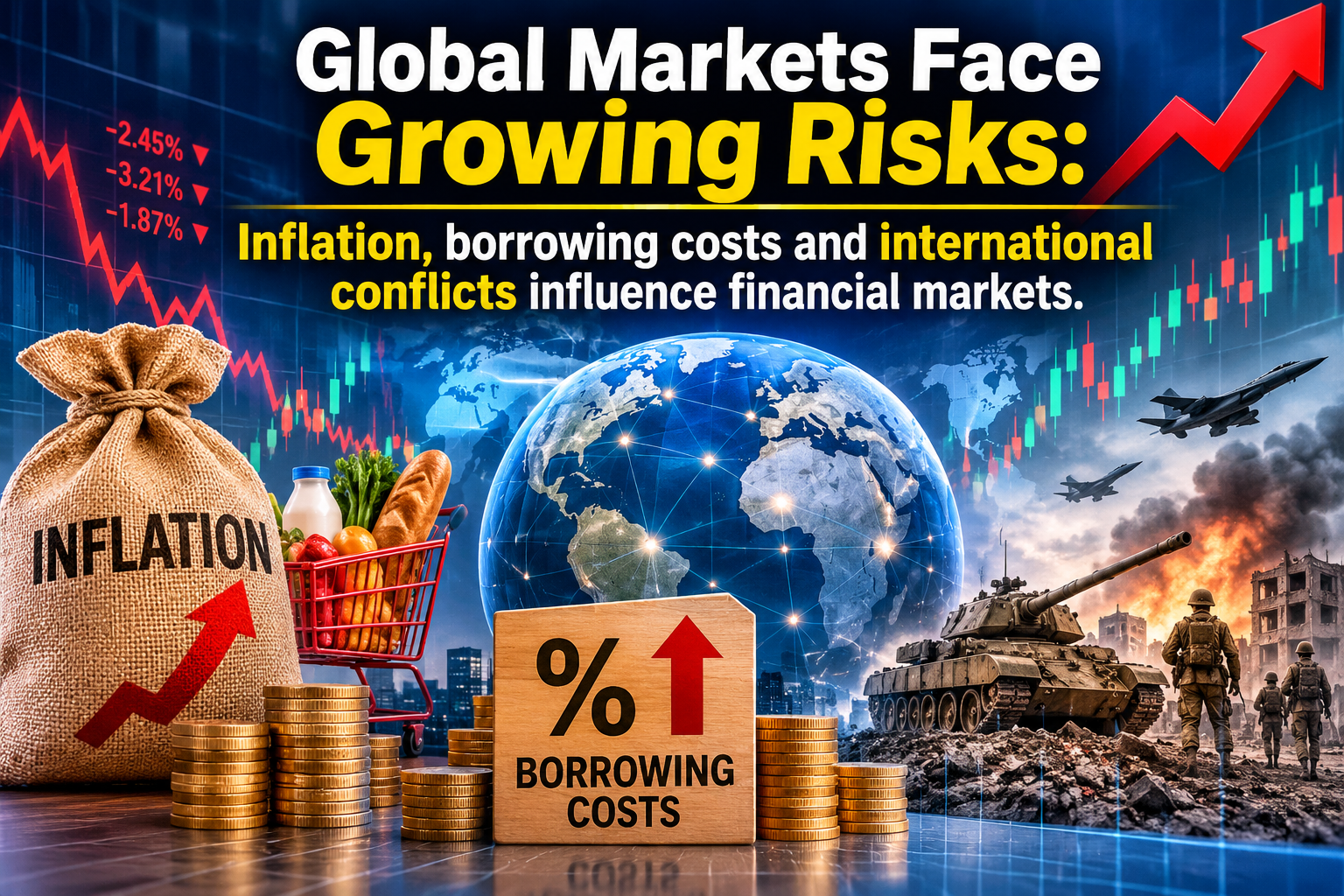
Inflation continues to influence monetary policy decisions and household spending across the world. Although price pressures have moderated in some economies, higher energy, transportation and food costs remain important risks.
The conflict in the Middle East has increased uncertainty surrounding international energy supplies. Disruptions to oil and gas production and shipping routes can raise fuel prices, increase business expenses and reduce household purchasing power.
The Organisation for Economic Co-operation and Development (OECD), in its September 2026 Economic Outlook, projected G20 headline inflation at 4.1% in 2026, before easing to 3.6% in 2027. The organisation also warned that renewed energy supply disruptions could create further inflationary pressure and weaken economic growth.
Central banks must therefore balance inflation control with the need to avoid unnecessarily restricting economic activity. Maintaining price stability remains essential for protecting savings, encouraging investment and supporting consumer confidence.
Trade Restrictions Create Global Uncertainty
International trade is another important factor shaping the economic outlook. Tariffs, export restrictions and changing trade policies are affecting business decisions and creating uncertainty for manufacturers, exporters and investors.
The World Trade Organization reported on November 17, 2026, that new trade-restrictive measures increased significantly during the first half of the year. A total of 333 new restrictive or other non-facilitating trade measures were introduced during this period, compared with 300 during the whole of 2025.
The WTO also highlighted a record accumulation of trade restrictions introduced since 2009 and still in force. These measures covered approximately 21.3% of global imports as of June 2026. At the same time, trade-facilitating measures continued to support international commerce, demonstrating that countries are pursuing both protection and cooperation.
For businesses, changing trade rules can increase costs, complicate supply-chain planning and delay investment decisions. Companies are increasingly considering supplier diversification and alternative manufacturing locations to reduce exposure to policy changes.
Geopolitical Conflicts Affect Energy and Investment
Geopolitical tensions remain among the most significant risks to global economic stability. Conflicts can disrupt energy production, international shipping, commodity supplies and cross-border investment.
The Middle East remains particularly important because of its role in global oil and natural gas markets. Disruptions to major shipping routes can increase transportation expenses and create uncertainty for countries dependent on imported energy.
The OECD’s September 2026 outlook noted that the global economy had absorbed the initial energy shock better than expected, supported by alternative supply routes, strategic inventory releases and additional production outside the Gulf. However, it warned that a prolonged disruption could increase energy prices and weaken growth prospects.
Geopolitical uncertainty can also influence financial markets. Investors may become more cautious, leading to fluctuations in currency values, bond yields and equity prices. Such conditions can increase financing costs and affect long-term business investment.
Technology Provides Opportunities for Growth
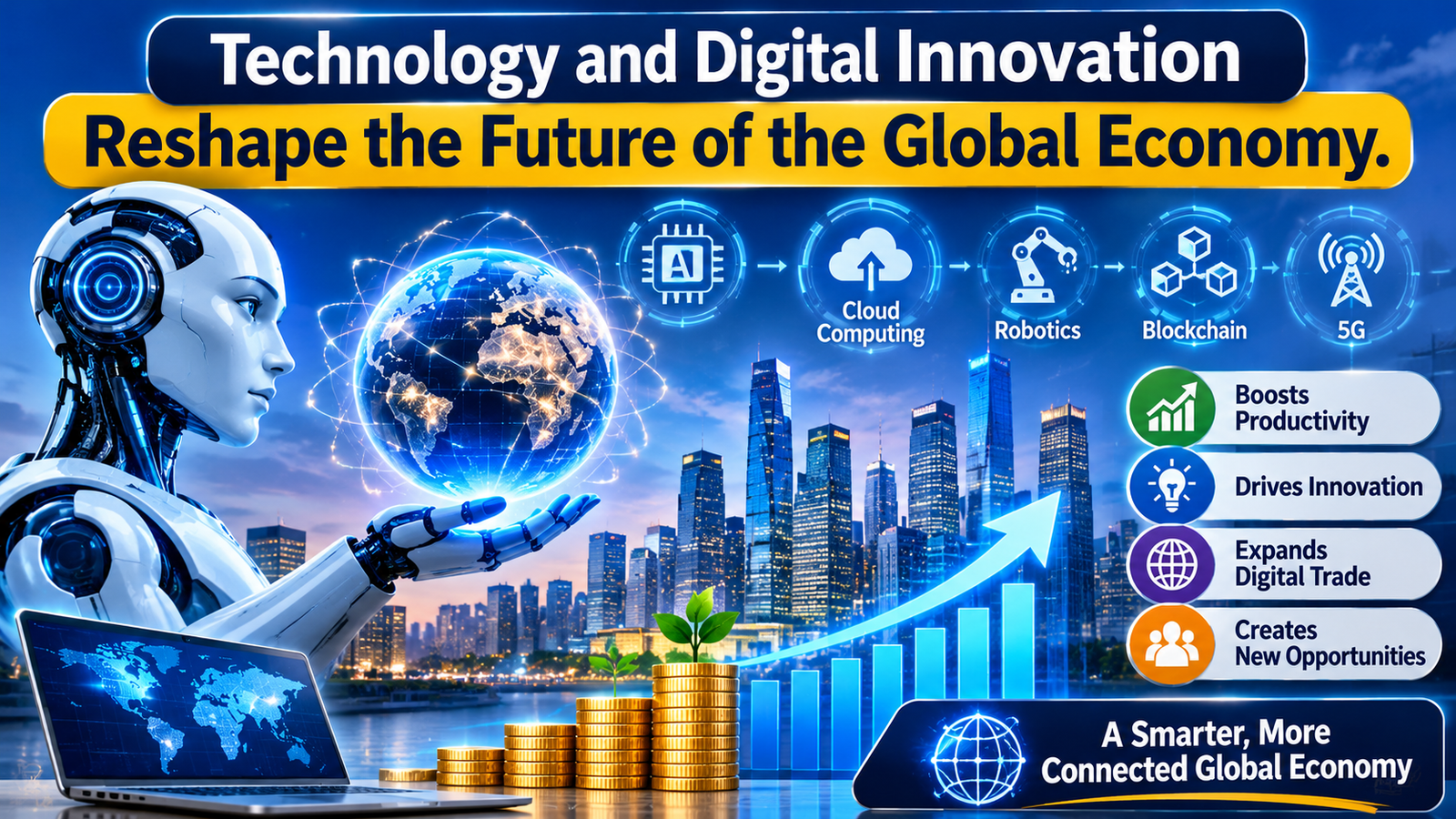
Despite these challenges, technological innovation is providing an important source of economic opportunity. Artificial intelligence, automation, digital services and advanced manufacturing are changing how businesses operate and compete.
Investment in AI infrastructure, data centres, semiconductors and cloud computing has supported production and international trade during a period of wider uncertainty.
The WTO’s October 2026 trade outlook noted that AI-related investment contributed significantly to stronger global merchandise trade performance. The organisation revised its forecast for merchandise trade volume growth in 2026 to 3.9%, compared with its earlier baseline forecast of 1.9% in March.
However, technology investment also creates risks. If expected productivity improvements and financial returns fail to materialise, markets could reassess company valuations and trigger wider financial adjustments.
Governments and businesses must therefore ensure that technological development is supported by skilled workers, appropriate infrastructure, effective regulation and responsible investment.
Governments Focus on Sustainable Economic Policies
Economic stability requires more than short-term measures to support growth. Governments must maintain responsible public finances, improve infrastructure and create conditions that encourage productive investment.
The IMF has emphasised the importance of rebuilding fiscal space, preserving monetary and financial stability and strengthening long-term growth potential. Its October 2026 assessment also recommends targeted and temporary assistance for vulnerable households during cost-of-living pressures rather than expensive, broad-based price controls.
The OECD has similarly called for stronger public finance management, diversified energy supplies and investment in skills and productivity. These measures can help economies respond more effectively to future shocks.
For businesses, sustainable growth increasingly depends on operational efficiency, innovation, responsible financial planning and flexible supply chains.
Implications for India
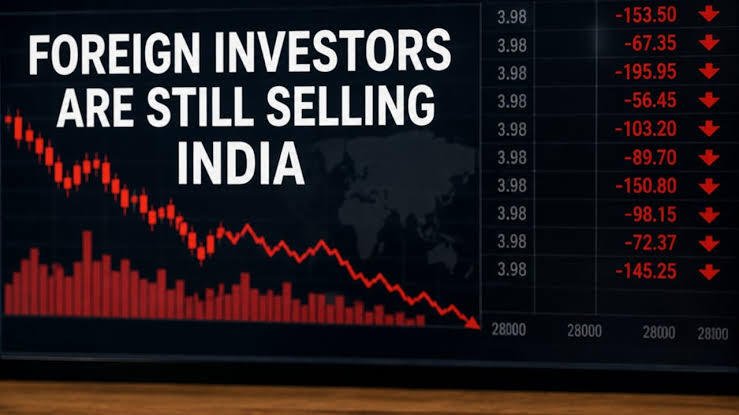
India remains an important contributor to global economic activity, supported by domestic consumption, infrastructure development, digital services and expanding manufacturing capabilities. However, international economic uncertainty can influence its growth prospects through energy prices, trade conditions and financial market movements.
Higher crude oil prices can increase India’s import expenditure and place pressure on inflation and the current account. Currency fluctuations and changing global interest rates can also affect foreign investment flows and borrowing conditions.
At the same time, changes in international supply chains create opportunities for Indian manufacturers and exporters. Sectors such as electronics, pharmaceuticals, automobiles, engineering goods, renewable energy and information technology can benefit from stronger international partnerships and investment diversification.
India’s long-term economic priorities should include improving logistics infrastructure, expanding renewable energy capacity, strengthening domestic manufacturing and maintaining stable financial conditions. Continued investment in education, skills and digital infrastructure will also be important for improving productivity.
By combining domestic economic strength with international trade cooperation, India can improve its ability to manage external uncertainty and support sustainable development.
The Worldonomics Times View
The global economic outlook remains uncertain because several important risks are developing simultaneously. Inflation, geopolitical conflicts, trade restrictions and financial market volatility are creating challenges for governments and businesses. Nevertheless, continued investment in technology, resilient domestic demand and international cooperation provide opportunities for economic progress.
The priority for policymakers should be to maintain price stability, strengthen public finances and create a predictable environment for investment. Governments should also focus on energy security, infrastructure development and trade cooperation rather than relying excessively on short-term protective measures.
Businesses must prepare for changing market conditions by diversifying suppliers, adopting new technologies and managing financial risks carefully.
For India, the current environment presents both challenges and opportunities. Strong domestic demand, manufacturing development, digital innovation and responsible economic management can help strengthen its position in the global economy.
Ultimately, sustainable growth will depend on the ability of countries to adapt to changing conditions while protecting economic stability. Resilience, cooperation and long-term planning will remain essential for navigating an uncertain global economic environment.