By The Worldonomics Times | Global Economy
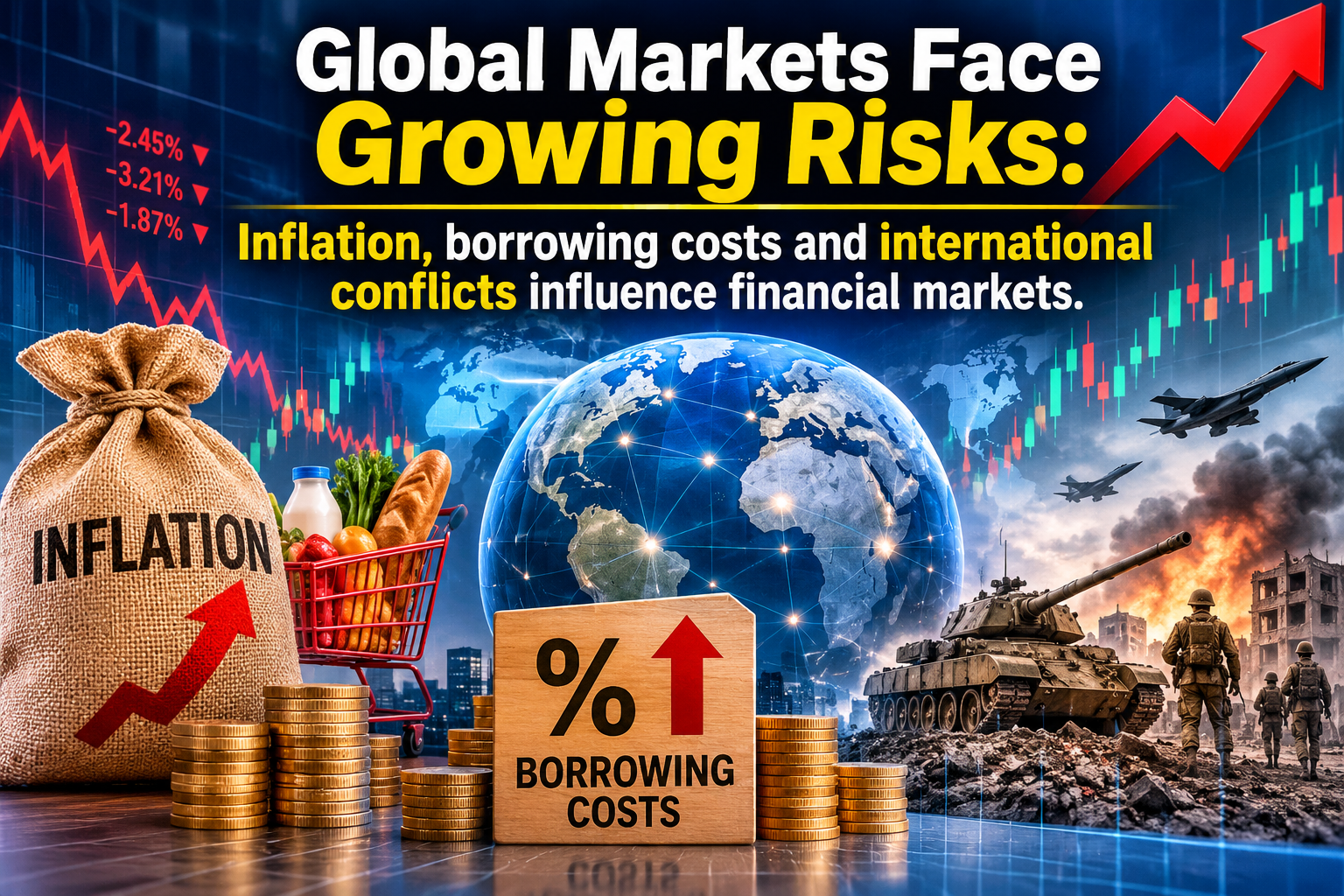
Global financial markets are navigating an increasingly uncertain environment as inflationary pressures, rising borrowing costs, geopolitical tensions, and changing economic policies influence investment decisions worldwide. From stock market fluctuations to currency depreciation and bond market volatility, financial systems are facing interconnected challenges that are reshaping the global investment landscape.
Although many economies and financial institutions have demonstrated resilience, the combination of persistent inflation risks, elevated government debt, and international conflicts has increased concerns about financial stability. Investors, policymakers, and businesses are therefore entering a period in which careful risk management and informed decision-making are becoming increasingly important.
Inflation: A Continuing Challenge for Global Markets
Inflation remains one of the most significant concerns influencing financial market performance. Rising energy prices, transportation expenses, supply chain disruptions, and higher production costs can place pressure on businesses and consumers alike.
Geopolitical conflicts, particularly in strategically important energy-producing regions, have added uncertainty to global commodity markets. Any disruption to oil and gas supplies can increase energy costs, affecting industries ranging from manufacturing and aviation to agriculture and logistics.
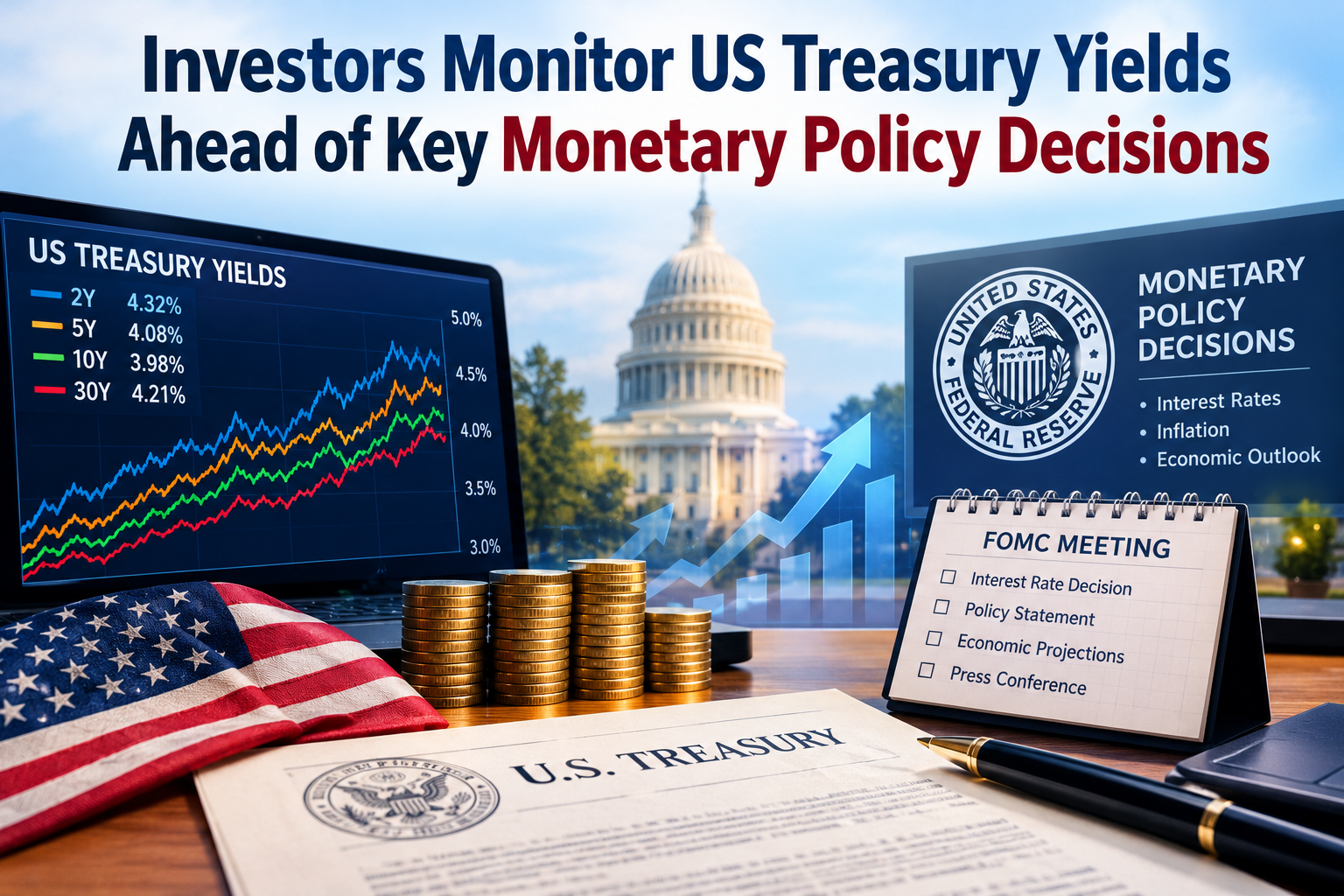
Persistent inflation also creates challenges for central banks. Monetary authorities must carefully balance price stability with economic growth. If inflation remains elevated, central banks may maintain restrictive monetary policies for longer, potentially slowing investment and consumer spending.
For financial markets, inflation expectations are particularly important because they influence interest rates, bond yields, corporate valuations, and investor confidence.
Rising Borrowing Costs and Pressure on Investments
Higher borrowing costs represent another major challenge for global financial markets. When interest rates remain elevated, governments, corporations, and households face increased financing expenses.
Businesses may postpone expansion projects, reduce capital expenditure, or reconsider investment strategies because borrowing becomes more expensive. Smaller businesses are particularly vulnerable because they often have limited access to affordable financing.
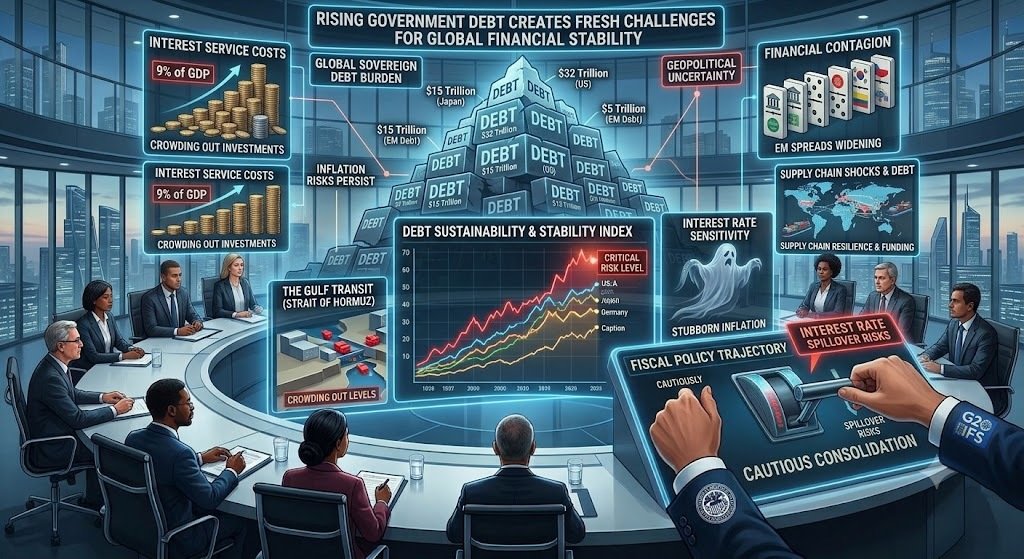
Governments also face growing pressure as higher interest rates increase the cost of servicing public debt. Countries with substantial borrowing requirements may find it increasingly difficult to balance development spending, public welfare commitments, and fiscal sustainability.
In equity markets, higher interest rates can reduce the attractiveness of stocks relative to fixed-income investments. They can also lower the present value of expected corporate earnings, placing pressure on company valuations.
The challenge becomes particularly significant when rising borrowing costs coincide with slower economic growth and weakening consumer demand.
International Conflicts and Geopolitical Uncertainty
Geopolitical tensions have become a major source of volatility in international financial markets. Conflicts, economic sanctions, trade restrictions, and diplomatic disagreements can disrupt international commerce and create uncertainty about future economic conditions.
The Middle East remains particularly important because of its strategic position in global energy supplies and international shipping routes. Escalating tensions can affect oil prices, increase transportation costs, and create disruptions across international supply chains.
Similarly, trade disputes between major economies can influence currency movements, commodity prices, and investment flows. Businesses dependent on international suppliers may face higher costs and operational uncertainty.
Such developments often encourage investors to reassess their exposure to riskier assets and move towards investments perceived as more defensive. Consequently, geopolitical uncertainty can influence stock markets, government bonds, gold, currencies, and commodity markets simultaneously.
Emerging Markets: Opportunities Alongside Vulnerabilities
Emerging economies are increasingly integrated into global financial markets, making them both beneficiaries of international investment and vulnerable to external economic shocks.
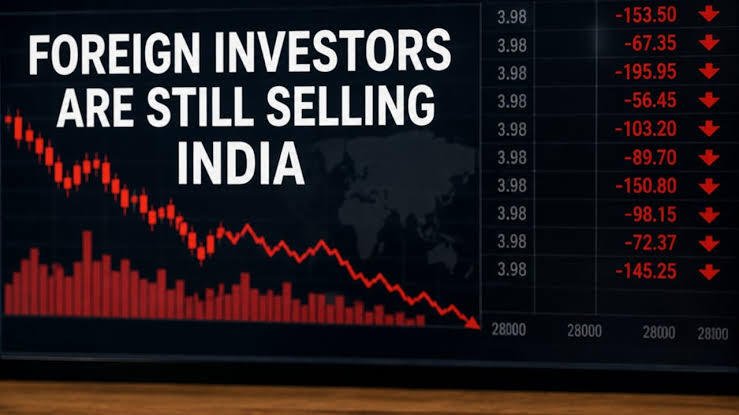
Countries such as India offer significant investment opportunities through infrastructure expansion, manufacturing development, digital transformation, and rising domestic consumption. However, emerging markets must also manage currency fluctuations, imported inflation, capital outflows, and changing global interest rate expectations.
When borrowing costs rise in major developed economies, international investors may shift capital towards assets offering comparatively attractive risk-adjusted returns. This can place pressure on emerging-market currencies and increase financing challenges.
Strengthening domestic financial institutions, maintaining sustainable public finances, and encouraging long-term investment will be essential for these economies to withstand external volatility.
Technology and Financial Market Risks
Technological innovation, particularly artificial intelligence, has become an important driver of investment activity and market valuations. Major technology companies are investing heavily in data centres, semiconductors, cloud infrastructure, and AI-related capabilities.
While these developments offer substantial long-term economic opportunities, concerns are emerging around elevated valuations, concentrated market exposure, and the sustainability of future returns.
The International Monetary Fund’s October 2026 Global Financial Stability Report has highlighted three important financial risks: a possible correction in AI-related asset valuations, a sharper increase in sovereign bond yields, and growing cyber threats to financial institutions.
These risks demonstrate that financial stability depends not only on traditional economic indicators but also on technological resilience, market transparency, and effective financial regulation.
The Worldonomics View
At The Worldonomics Times, we believe that the growing risks facing global financial markets highlight the urgent need for a more resilient and forward-looking economic framework.
Inflation, borrowing costs, and geopolitical conflicts should not be viewed as isolated challenges. Their combined impact can influence investment confidence, international trade, employment, and long-term economic development.
In our view, governments must prioritise responsible fiscal management, stable monetary frameworks, and stronger international economic cooperation. Financial institutions should strengthen risk assessment, liquidity management, and cybersecurity measures, while businesses must diversify supply chains and adopt strategies that reduce exposure to external disruptions.
We also believe that emerging economies such as India have an important opportunity to strengthen their position in the global financial system by developing domestic manufacturing, attracting productive investment, improving infrastructure, and maintaining economic stability.
The future of global markets will depend not simply on the ability to generate financial returns but on the capacity to manage uncertainty, protect financial systems, and support sustainable economic progress.
Conclusion
Global financial markets are entering a period of heightened complexity, where inflationary pressures, rising borrowing costs, and international conflicts continue to influence economic decisions. Although these challenges create uncertainty, they also underline the importance of innovation, financial discipline, and strategic planning.
For investors, businesses, and governments, the priority must be to remain adaptable while maintaining a long-term perspective. Strong institutions, transparent policies, diversified investments, and international cooperation will play a critical role in protecting financial stability.
Ultimately, the strength of the global economy will be determined not by the absence of uncertainty, but by how effectively nations and markets prepare for and respond to it.