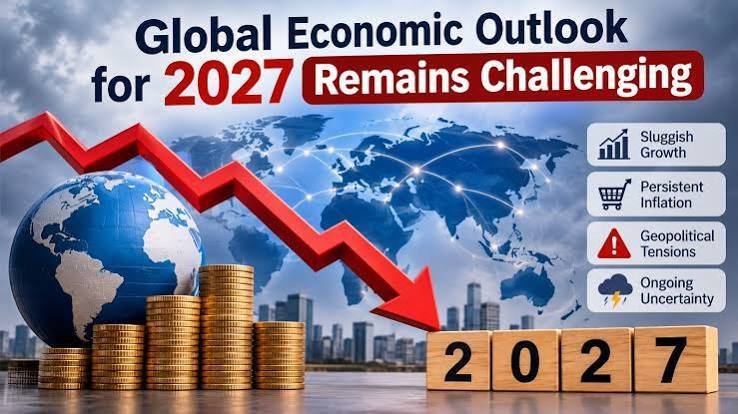
The global employment landscape is undergoing significant transformation as businesses adapt to technological advancements, changing economic conditions and evolving workforce expectations. Artificial intelligence, automation, digitalisation and shifting consumer demand are changing the types of jobs available and the skills employers require. At the same time, inflation, geopolitical uncertainty and slower economic growth are influencing recruitment decisions across major industries.
While some sectors are creating new employment opportunities, others are experiencing workforce restructuring and changing skill requirements. Governments, businesses and workers must therefore adapt to a labour market in which continuous learning, flexibility and technological awareness are becoming increasingly important.
Global Labour Markets: Stability Amid Uncertainty
The global labour market continues to demonstrate resilience, although important challenges remain. According to the International Labour Organization’s Employment and Social Trends 2026 report, the global unemployment rate is projected to remain around 4.9% in 2026, representing approximately 185.8 million unemployed people.
However, unemployment alone does not provide a complete picture of employment conditions. The ILO estimates that the broader global jobs gap could reach 408 million people in 2026, including individuals who want paid employment but cannot access suitable opportunities.
Job quality is another major concern. Approximately 2.1 billion workers remain in informal employment, often without adequate social protection, stable incomes or formal workplace rights. These figures highlight the difference between creating employment and ensuring access to decent, secure and productive work.
The challenge is particularly significant in developing economies, where expanding populations require millions of additional employment opportunities.
Artificial Intelligence and the Future of Work
Artificial intelligence is becoming one of the strongest forces reshaping employment. Businesses across banking, healthcare, manufacturing, education, retail and information technology are adopting AI-powered systems to improve productivity, automate repetitive tasks and reduce operational costs.
This transformation is changing the nature of many occupations. Administrative processing, basic customer support, data entry and routine analytical activities are increasingly being supported or automated by digital tools.
However, technological progress is also generating demand for new roles in AI development, cybersecurity, data science, cloud computing, robotics and digital infrastructure. Rather than affecting every occupation in the same way, automation is changing the combination of tasks performed within many jobs.
The OECD’s 2026 Employment Outlook suggests that recent advances in generative AI have so far played a limited role in explaining the difficulties faced by young job seekers. Broader economic conditions, changing skill requirements and slower recruitment are also important factors.
Businesses will increasingly need to combine technological investment with workforce development to ensure that employees can adapt to changing responsibilities.
Changing Business Strategies and Recruitment
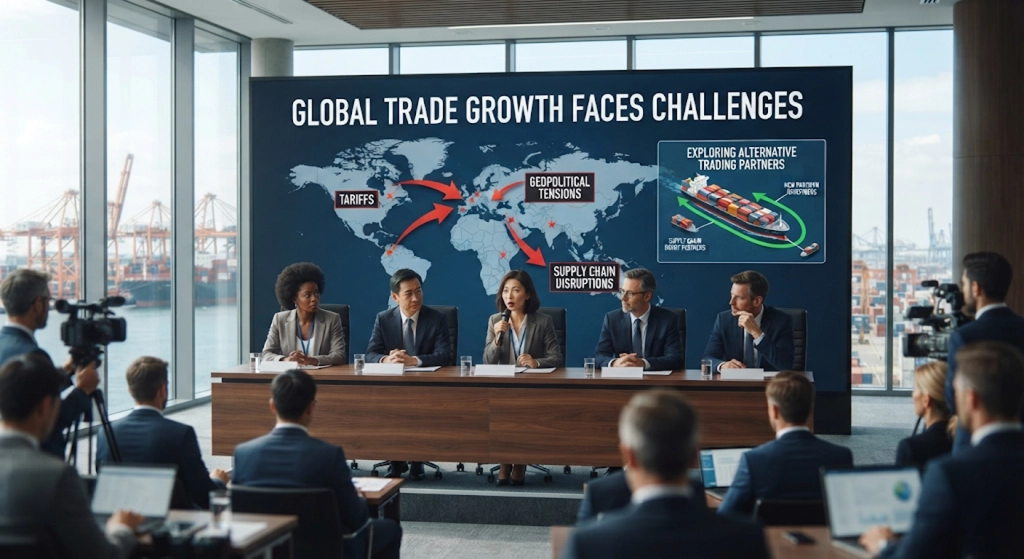
Economic uncertainty is influencing how companies approach recruitment and workforce planning. Higher operating costs, changing consumer demand and international trade pressures are encouraging businesses to review staffing requirements and focus on productivity.
Some organisations are adopting more cautious recruitment strategies, delaying new appointments or restructuring departments. Others are investing in specialised talent to support digital transformation, research, cybersecurity and operational efficiency.
Flexible working arrangements are also becoming an important part of employment strategies. Remote and hybrid work models allow businesses to access talent across different geographical markets while offering employees greater flexibility.
At the same time, employers are increasingly evaluating candidates based on practical abilities, technical knowledge and problem-solving skills rather than relying exclusively on academic qualifications.
Skills Development and the Growing Importance of Reskilling
As industries evolve, the ability to learn new skills is becoming essential for long-term career development. Digital literacy, communication, critical thinking, leadership and analytical capabilities are increasingly valuable across professional sectors.
The OECD’s Employment Outlook 2026 highlights the importance of adult learning and workplace training in helping employees respond to technological and economic changes. Its research also indicates that non-formal training participation is associated with higher wages, demonstrating the potential economic value of continuous professional development.
Reskilling and upskilling programmes can help employees transition into emerging occupations while allowing businesses to retain experienced workers and address skill shortages.
Governments and educational institutions also have an important role to play by developing industry-oriented courses, vocational programmes and accessible digital learning opportunities.
Youth Employment and Workforce Inequality
Youth employment remains a significant concern for economies worldwide. The ILO estimates that global youth unemployment stands at 12.4% in 2026, while approximately 20% of young people are not in employment, education or training.
Young graduates often face difficulties securing their first jobs because employers increasingly expect practical experience, specialised skills and familiarity with modern technologies.
Women also continue to experience unequal access to employment opportunities. According to the ILO, women account for only around two-fifths of global employment and remain less likely than men to participate in the labour force.
Addressing these inequalities requires stronger vocational education, fair recruitment practices, affordable childcare, workplace inclusion and effective employment support programmes.
Emerging Opportunities Across Industries
Despite the challenges, several industries are expected to remain important sources of employment growth.
Technology companies require professionals in artificial intelligence, software engineering, data management and cybersecurity. Healthcare systems need doctors, nurses, medical technicians and specialised care workers. Renewable energy investment is creating opportunities in engineering, installation, infrastructure development and environmental management.
Manufacturing is also evolving through robotics, automation and advanced production systems, increasing demand for technically skilled employees. Logistics and e-commerce continue to require workers in supply chain management, warehousing and digital operations.
These developments demonstrate that employment opportunities are not disappearing uniformly; they are shifting towards industries and occupations that require new combinations of technical and human skills.
The Worldonomics Times View
Global employment is entering a period of structural change in which technological innovation, economic uncertainty and demographic developments will shape the future of work. Although headline unemployment remains relatively stable, job quality, youth participation, income security and unequal access to opportunities continue to present serious challenges.
Businesses must invest in employee development and responsible technology adoption rather than viewing automation solely as a means of reducing labour costs. Governments must strengthen education systems, improve vocational training and create policies that support workers during periods of economic and technological transition.
For employees, adaptability and continuous learning will become essential to maintaining career opportunities in an increasingly competitive labour market.
Ultimately, the future of global employment will depend on how effectively economies balance technological progress with human development. Sustainable economic growth requires not only more jobs, but also better-quality employment, fair wages and opportunities that allow workers to participate meaningfully in the changing global economy.