By The Worldonomics Times | Global Economy
Date: 3 November 2026
Rising Energy Costs, Geopolitical Uncertainty and Supply Chain Disruptions Challenge the Global Economic Outlook
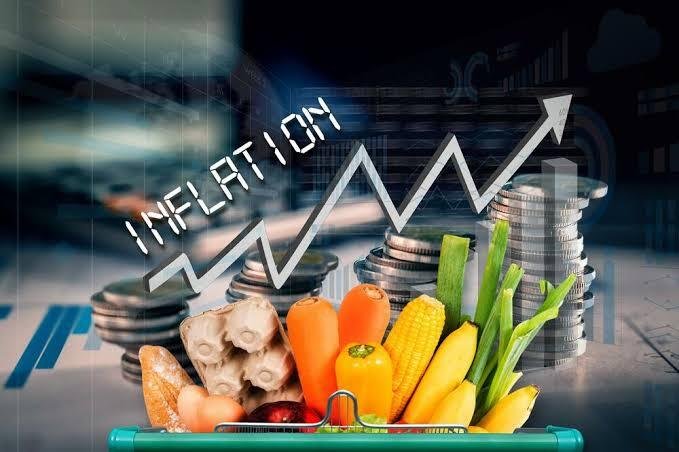
Global inflation is emerging as one of the major economic challenges heading into 2027, as rising energy costs, geopolitical tensions and supply chain disruptions continue to put pressure on businesses and consumers. Although some international institutions expect inflation to moderate next year, economists are increasingly concerned that higher oil and gas prices could keep overall price pressures elevated for longer than previously anticipated.
A Reuters poll of more than 500 economists, published on October 27, found that inflation forecasts for 2027 had been raised for 31 of the 50 economies surveyed. The findings indicate growing concern that the effects of higher energy prices are spreading beyond fuel and electricity into transportation, manufacturing, food production and other areas of the economy.
The International Monetary Fund (IMF), meanwhile, projects global headline inflation at 4.7% in 2026 before easing to 4.1% in 2027. This suggests that inflation may gradually decline, but the process is likely to remain uneven across countries and regions.
Energy Prices Become a Major Source of Inflation
Rising energy costs are among the most significant factors influencing the current inflation outlook. Crude oil prices have remained above $100 per barrel since October 7, according to the Reuters economist survey, reflecting supply concerns linked to the ongoing conflict in the Middle East.
Higher oil and natural gas prices affect nearly every part of the global economy. Transportation companies face increased fuel expenses, manufacturers pay more to operate machinery, and logistics providers experience higher distribution costs. Businesses may initially absorb some of these expenses, but prolonged increases can eventually be passed on to consumers through higher prices.
The World Bank’s October 2026 Commodity Markets Outlook also highlights the scale of the challenge. It forecasts energy prices to rise by 32% during 2026, with Brent crude averaging approximately $91 per barrel, compared with $69 in 2025. Although the World Bank expects energy prices to moderate in 2027, it warns that further geopolitical disruptions could push them considerably higher.
Inflation Spreads Beyond the Energy Sector
The impact of higher energy prices does not remain limited to petrol, diesel, electricity and natural gas. Energy is an essential input across agriculture, manufacturing, construction and international trade. Consequently, increases in energy costs can gradually influence the prices of a wide range of goods and services.
For example, higher diesel prices increase the cost of transporting agricultural products from farms to markets. Expensive natural gas can raise fertilizer production costs, while higher electricity tariffs can increase expenses for factories and commercial establishments.
Food prices are particularly vulnerable to these developments. Farmers depend on fuel, fertilizers, irrigation and transportation to maintain agricultural production. When these inputs become more expensive, the additional costs can eventually reach consumers.
Supply chain disruptions can further intensify the situation. If international shipping routes become less reliable or energy supplies remain restricted, businesses may face delays, shortages and higher procurement expenses.
Central Banks Face Difficult Policy Decisions
Persistent inflation creates a difficult challenge for central banks. Their primary responsibility is to maintain price stability, but responding to energy-driven inflation requires careful judgment.
Central banks may increase interest rates to control demand and prevent inflation expectations from becoming entrenched. Higher borrowing costs can reduce consumer spending and business investment, helping moderate price increases over time.
However, interest rate increases cannot directly restore disrupted oil supplies or resolve geopolitical conflicts. Excessively tight monetary policy could also weaken economic growth, increase borrowing costs and place additional pressure on businesses and households.
The recent Reuters survey indicates that economists are increasingly concerned about the possibility of broader inflationary pressures. If energy costs remain elevated and businesses continue passing higher expenses to consumers, central banks may face pressure to maintain restrictive monetary policies for longer.
Impact on Emerging Economies and India
Emerging economies are particularly exposed to international energy price movements, especially when they depend heavily on imported crude oil and natural gas.
India, as a major energy-importing economy, could face additional pressure if global oil prices remain high. More expensive crude oil can increase the country’s import bill, influence transportation expenses and create pressure on domestic inflation. Higher fuel and logistics costs may also affect manufacturing, aviation, agriculture and consumer goods industries.
The consequences can be particularly challenging for lower-income households, which generally spend a larger proportion of their income on essential goods, food and transportation.
At the same time, government policies, domestic energy production, diversified import sources and targeted support measures can help reduce the impact of international price fluctuations.
For Indian businesses, improving energy efficiency, strengthening domestic supply chains and exploring alternative energy sources could become increasingly important in managing operating costs.
What to Expect in 2027
The inflation outlook for 2027 remains uncertain because forecasts depend heavily on the direction of energy markets and geopolitical developments.
The IMF expects global inflation to ease from 4.7% in 2026 to 4.1% in 2027. The Organisation for Economic Co-operation and Development (OECD) projects G20 headline inflation to decline from 4.1% in 2026 to 3.6% in 2027.
However, these projections depend on assumptions that energy market conditions will gradually improve. Prolonged supply disruptions, further escalation of geopolitical conflicts or additional increases in transportation and production costs could result in a less favourable outcome.
The difference between these institutional projections and the concerns expressed by economists highlights the uncertainty surrounding the global economy. Inflation may decline overall, but individual countries and sectors could continue experiencing significant price pressures.
The Worldonomics Times Views
Inflation is not simply a monetary issue; it is also closely connected to energy security, international trade and the resilience of supply chains. The current situation demonstrates how geopolitical developments in one region can influence household budgets and business costs across the world.
In our view, governments should avoid relying exclusively on interest rate adjustments to manage inflation caused by supply disruptions. Monetary discipline remains important, but long-term solutions must also address the underlying sources of economic vulnerability.
We believe that investment in renewable energy, domestic manufacturing, efficient transportation networks and diversified supply chains should become central priorities. Countries that reduce excessive dependence on imported energy will be better positioned to withstand sudden international price shocks.
Protecting vulnerable households is equally important. Targeted support, improved food distribution systems and measures to strengthen agricultural productivity can help reduce the burden of rising living costs without creating unnecessary fiscal pressure.
The Worldonomics Times believes that controlling inflation requires a balanced approach combining sound monetary policy, energy diversification and stronger domestic economic resilience.
Conclusion
Global inflation is likely to remain an important economic concern as the world moves towards 2027. Although forecasts from the IMF and OECD suggest some moderation in headline inflation, rising energy costs and geopolitical uncertainty continue to create risks for businesses, consumers and policymakers.
The coming year will test the ability of governments and central banks to balance price stability with sustainable economic growth. Countries that strengthen energy security, improve supply chain resilience and protect household purchasing power will be better equipped to navigate the uncertainty ahead.