By The Worldonomics Times | Global Economy
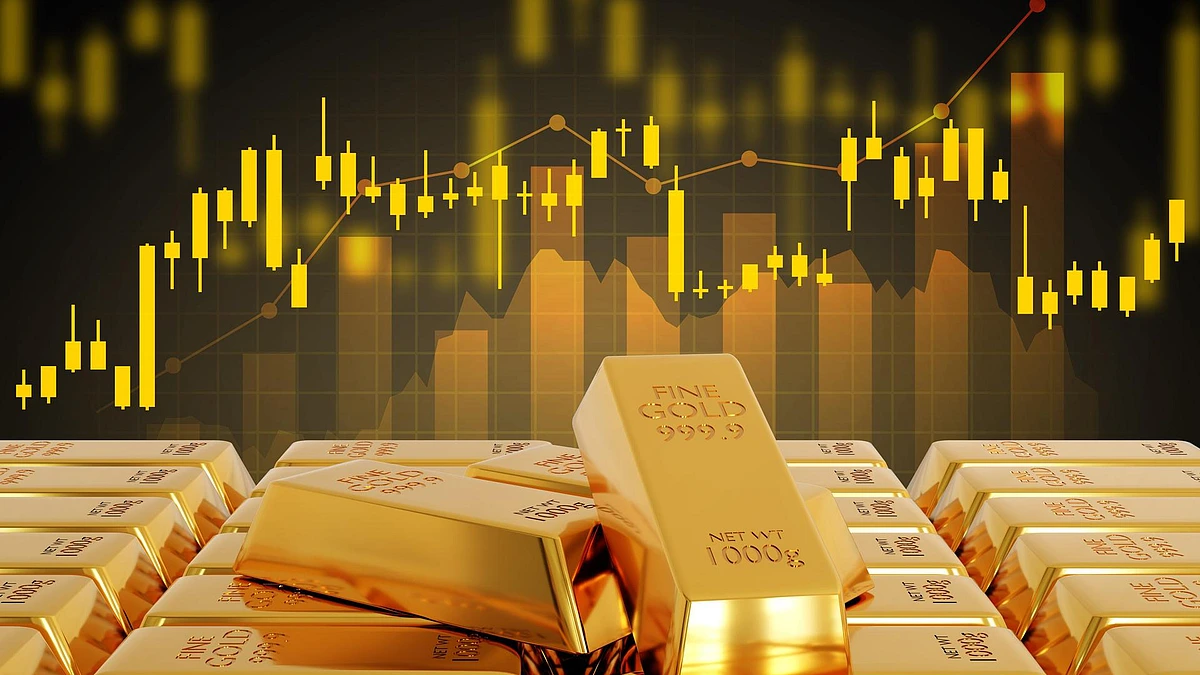
Gold continues to hold an important position in global financial markets as investors seek stability amid economic uncertainty, geopolitical tensions and changing monetary policies. Traditionally regarded as a safe-haven asset, the precious metal attracts attention during periods of financial volatility, inflation concerns and uncertainty surrounding major economies. Although gold prices have experienced significant fluctuations in 2026, demand from central banks and institutional investors highlights its continuing role in global investment strategies.
Recent market developments demonstrate that gold’s performance is influenced by several competing forces. Concerns about government debt, geopolitical risks and financial market instability have supported investment demand. At the same time, elevated interest rates, stronger bond yields and movements in the US dollar have created pressure on prices. This combination has made gold an important asset for investors monitoring changes in the global economic environment.
Gold’s Role as a Safe-Haven Investment
Gold has historically been considered a store of value because it is not directly tied to the financial position of a particular government or company. Unlike stocks and corporate bonds, it does not depend on business earnings or the ability of an issuer to repay debt. These characteristics make it attractive to investors seeking to diversify their portfolios and reduce exposure to certain financial risks.
During periods of economic uncertainty, investors may increase their allocation to gold as concerns about currencies, inflation or financial markets grow. Its limited supply and worldwide recognition also contribute to its long-standing appeal.
However, gold is not a guaranteed protection against losses. Its market price can decline even when geopolitical tensions or financial instability increase. Investors may also sell gold to raise cash during periods of severe market stress. Its safe-haven reputation therefore reflects its long-term investment characteristics rather than a promise of short-term price stability.
Central Banks Continue to Support Gold Demand
Central banks have become an important source of demand in the global gold market. Several monetary authorities have increased their gold reserves as part of broader strategies to diversify foreign-exchange holdings and manage financial risks.
According to the World Gold Council’s November 3, 2026, report, central banks and other official institutions purchased a net 321 tonnes of gold during the third quarter of 2026, an increase of 42% compared with the same period a year earlier. Purchases during the first nine months reached 675 tonnes, 6% higher than the corresponding period in 2025.
China and Poland were among the largest reported buyers during the quarter. Their purchases reflect the continuing interest of some monetary authorities in holding a broader mix of reserve assets.
Central-bank demand is significant because it can provide a source of longer-term support for the gold market. Nevertheless, official purchases are influenced by price levels, reserve-management priorities and individual national strategies, meaning they should not be viewed as a guaranteed floor for prices.
Economic Uncertainty and Geopolitical Tensions Influence Prices
Global economic uncertainty remains a major factor shaping investor interest in gold. International conflicts, trade restrictions, political tensions and concerns about economic growth can influence financial-market sentiment. When investors become less confident about the outlook for traditional assets, some may turn to gold as part of a risk-management strategy.
Government borrowing and fiscal pressures have also attracted attention. Concerns about rising public debt and the long-term sustainability of government finances can encourage investors and central banks to diversify their holdings.
Inflation is another important consideration. Gold is often viewed as a potential hedge against declining purchasing power, particularly when investors are concerned about persistent price increases or currency depreciation. However, its effectiveness as an inflation hedge varies across different periods and depends on interest rates, investor expectations and market conditions.
Interest Rates and the US Dollar Create Market Pressure
Despite its safe-haven appeal, gold faces important challenges from monetary policy. Unlike government bonds or savings instruments, physical gold does not generate interest income. When interest rates and bond yields rise, investors may find income-producing assets more attractive, increasing the opportunity cost of holding gold.
The strength of the US dollar also influences international gold prices. Because gold is commonly priced in dollars, a stronger dollar can make the metal more expensive for buyers using other currencies, potentially reducing demand. Conversely, dollar weakness may improve its affordability for international investors.
Recent developments illustrate these competing influences. The World Gold Council reported that gold-backed exchange-traded funds attracted 211 tonnes of inflows during the third quarter, while global holdings reached a record 4,256 tonnes. Yet higher bond yields and a stronger dollar remained potential obstacles to further investment demand.
Investment Demand and Changing Consumer Behaviour
Investor interest in gold is increasingly reflected through exchange-traded funds, physical bars and coins, and other financial instruments. These options allow investors to gain exposure to gold according to their financial objectives and risk preferences.
However, elevated prices have affected consumer demand. The World Gold Council reported that global jewellery demand declined 17% year-on-year to 313 tonnes in the third quarter of 2026. Bar and coin demand also fell 19% to 268 tonnes, indicating that some individual buyers were cautious amid price uncertainty.
This contrast highlights an important development in the gold market: investment demand and central-bank purchases can remain relatively strong even when jewellery consumption and some forms of physical retail demand weaken.
The Worldonomics View
Gold remains an important component of the global financial system, but investors should distinguish between its long-term strategic value and short-term price movements. Central-bank purchases, portfolio diversification and concerns about geopolitical and fiscal risks continue to support its position in international markets.
At the same time, gold should not be treated as a risk-free investment or an asset that automatically rises during every crisis. Interest-rate expectations, currency movements, investor positioning and liquidity requirements can all influence its performance.
A balanced investment strategy should therefore consider gold alongside other asset classes rather than relying on it as the sole source of protection. Investors should assess their financial goals, investment horizon and tolerance for market volatility before making allocation decisions.
Conclusion
Gold continues to attract global attention as investors navigate economic uncertainty, geopolitical developments and changing financial conditions. Strong central-bank purchases and renewed interest in gold-backed investment products demonstrate the metal’s continuing relevance in international markets.
Nevertheless, price movements remain sensitive to interest rates, bond yields, the US dollar and changing investor sentiment. As global markets respond to new economic developments, gold is likely to remain an important asset for portfolio diversification and risk management. Its long-standing safe-haven role will continue to influence investment decisions, even as investors carefully assess the risks associated with fluctuating prices.