By The Worldonomics Times | Global Economy
Emerging markets are increasingly looking for new sources of economic growth as global trade patterns shift, geopolitical tensions influence investment decisions and competition for international capital intensifies. Developing economies are placing greater emphasis on infrastructure development, export diversification and foreign direct investment (FDI) to strengthen their economic foundations and improve their position in the global marketplace.
For many countries, the objective is not simply to achieve higher economic growth but to build more resilient economies capable of creating employment, attracting businesses and participating in higher-value international industries. Investment in transportation, energy, manufacturing, digital infrastructure and logistics is becoming central to these strategies.
However, developing economies face significant challenges, including financing constraints, public debt pressures, trade uncertainty and competition from larger economies. Their ability to convert investment opportunities into sustainable development will depend on effective policies, reliable infrastructure and stronger international partnerships.
Infrastructure Investment Becomes a Growth Priority
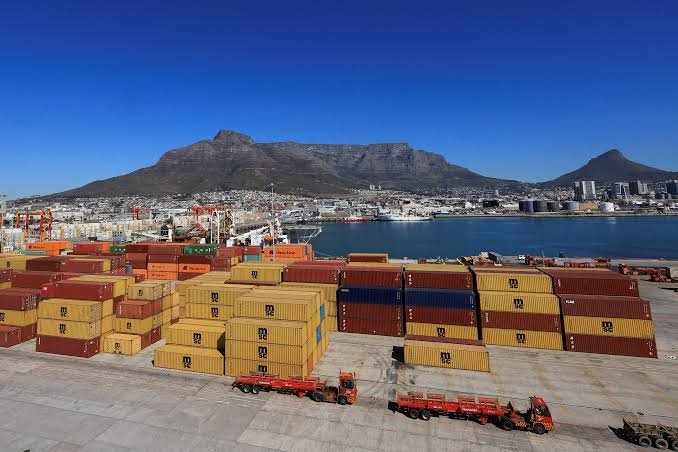
Infrastructure remains one of the most important foundations for long-term economic development. Roads, railways, ports, airports, electricity networks and digital connectivity directly influence how efficiently businesses operate and how easily goods and services reach international markets.
Developing economies are increasingly prioritising infrastructure projects to reduce transportation costs, improve supply-chain efficiency and attract domestic and international businesses. Better transport networks can connect manufacturing centres with ports, agricultural regions with consumer markets and smaller cities with major economic hubs.
Energy infrastructure is equally important. Reliable electricity supplies are essential for industrial expansion, digital services and modern manufacturing. Countries investing in renewable energy, electricity transmission and energy storage can improve energy security while supporting the transition towards cleaner production.
Digital infrastructure is creating additional opportunities. Broadband connectivity, data centres and digital payment systems can help developing economies expand financial services, e-commerce and technology-based industries.
Nevertheless, large infrastructure projects require substantial financing and careful planning. Governments must balance development priorities with fiscal sustainability while encouraging private-sector participation through transparent regulations and well-structured public-private partnerships.
Exports and Manufacturing Support Economic Diversification
Export growth remains a major opportunity for developing economies seeking to strengthen their international economic position. Countries with competitive manufacturing sectors, agricultural industries and service exports can generate foreign exchange, attract investment and create employment.
Many governments are working to diversify their export bases rather than depending heavily on a limited number of commodities or trading partners. This includes expanding production in electronics, pharmaceuticals, textiles, automobiles, processed foods and engineering goods.
Changing global supply chains are also creating opportunities for emerging markets. International companies are reviewing their production networks to improve supply-chain resilience, manage geopolitical risks and gain access to new consumer markets. Countries offering competitive production costs, skilled workers, reliable infrastructure and predictable business regulations may benefit from these changes.
India and Southeast Asian economies, for example, are seeking to strengthen their roles in manufacturing and international supply chains. Opportunities in electronics, automotive components, digital services and industrial production could support greater participation in global trade.
However, export competitiveness requires more than low production costs. Businesses need access to modern technology, skilled employees, efficient logistics and consistent quality standards. Developing countries must also strengthen trade relationships and reduce unnecessary barriers that limit access to international markets.
Foreign Investment Creates New Opportunities
Foreign direct investment is an important source of capital, technology, employment and international business connections for developing economies. It can help finance new factories, expand infrastructure, improve production capabilities and connect domestic companies with global supply chains.
According to UN Trade and Development’s World Investment Report 2026, global FDI increased by 6% to approximately $1.6 trillion in 2025. Developing economies received around $901 billion, representing growth of just 2%. This indicates that although international investment has recovered, developing economies are not benefiting equally.
Developing Asia remained the largest recipient region among developing economies, attracting approximately $644 billion. India recorded a 44% increase in FDI inflows, reaching around $39 billion in 2025.
Investment is increasingly moving towards strategic industries, including artificial intelligence infrastructure, semiconductors, critical minerals and energy-transition technologies. These sectors offer opportunities for countries seeking to strengthen industrial capabilities and participate in emerging technology markets.
However, competition for investment is becoming more intense. Investors increasingly consider political stability, infrastructure quality, regulatory transparency, market access and the availability of skilled labour before selecting locations.
Governments therefore need to create investment environments that offer long-term confidence rather than relying exclusively on financial incentives.
Challenges Facing Developing Economies
Despite their growth potential, emerging markets face several structural challenges. High borrowing costs and public debt can restrict governments’ ability to finance infrastructure and social development. Currency fluctuations and global financial uncertainty may also increase the cost of international investment.
Trade restrictions, geopolitical tensions and disruptions to major shipping routes can affect export performance and increase business expenses. Countries heavily dependent on commodity exports may also experience economic instability when international prices fluctuate.
Another challenge is ensuring that foreign investment generates meaningful benefits for domestic economies. Investment projects should contribute to employment, technology transfer, workforce development and stronger local supplier networks.
Without these connections, large investment projects may generate limited benefits for the wider economy. Developing countries must therefore focus on building domestic industrial capabilities alongside attracting international capital.
The Worldonomics View
Emerging markets have significant opportunities to strengthen their economic positions, but long-term success will depend on the quality of their development strategies. Infrastructure investment, export expansion and foreign capital should be treated as interconnected priorities rather than separate policy objectives.
Governments must create conditions in which private investment supports productive industries, improves technology access and generates employment. Strong institutions, transparent regulations, efficient public services and sound financial management are essential to building investor confidence.
Developing economies should also avoid competing solely through low labour costs or excessive subsidies. Their future competitiveness will increasingly depend on productivity, innovation, education, reliable energy and the ability to participate in higher-value activities.
Regional cooperation can further strengthen these efforts. Shared transport corridors, trade agreements and cross-border energy and digital networks can help neighbouring economies access larger markets and attract investment that may be difficult to secure individually.
Conclusion
Emerging markets are pursuing new growth opportunities as the global economic landscape continues to evolve. Infrastructure development, export diversification and foreign investment are becoming important drivers of their economic strategies.
Although financing pressures, trade uncertainty and global competition remain significant obstacles, developing economies can strengthen their long-term prospects through investment in productive capacity, technology and human capital.
The next phase of emerging-market growth will depend not only on attracting international investment but also on converting that capital into stronger industries, better employment opportunities and sustainable economic development. Countries that successfully combine infrastructure modernisation, export competitiveness and investor confidence will be better positioned to participate in the changing global economy.