By The Worldonomics Times
Category: Global Economy | November 2026
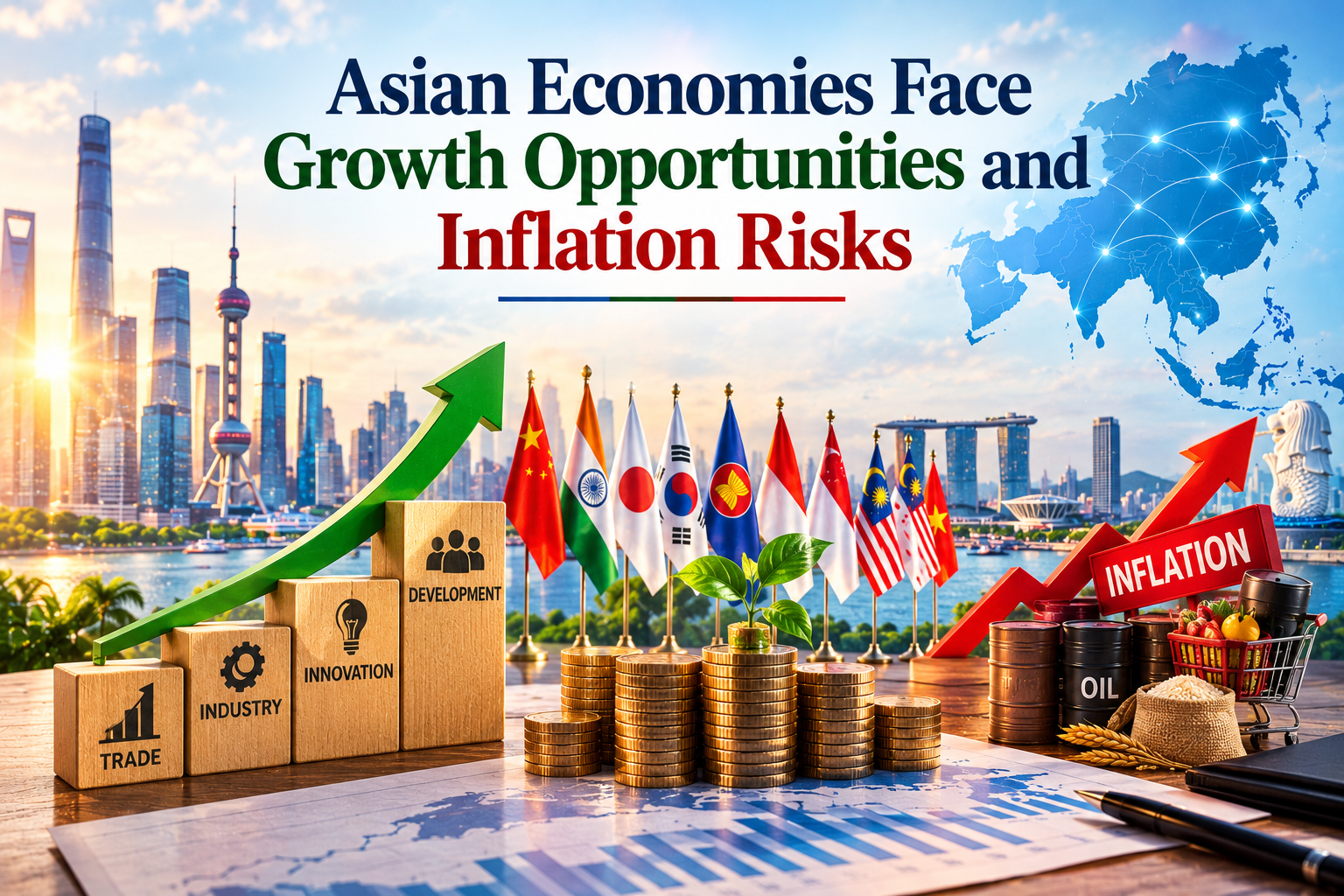
Developing nations continue to face significant economic challenges as they navigate rising financial pressures, debt obligations, inflation risks and uncertainty in international trade. The International Monetary Fund (IMF) plays an important role in monitoring these developments and assessing the economic conditions affecting countries across the world.
For many developing economies, maintaining stable growth has become increasingly complex. Limited financial resources, dependence on commodity exports, currency fluctuations and exposure to external economic shocks can restrict their ability to invest in infrastructure, healthcare, education and industrial development.
The challenges are particularly important for countries seeking to strengthen their economies while managing public debt and protecting vulnerable populations. Sustainable development will require coordinated policy measures, international cooperation and stronger domestic economic institutions.
Rising Debt Creates Pressure on Public Finances
Public debt remains a major concern for several developing economies. Governments often borrow to finance infrastructure projects, social programmes and essential public services. However, higher borrowing costs and weaker revenue collection can make debt repayment increasingly difficult.
When a significant share of government revenue is used for interest payments, fewer resources may remain available for education, healthcare, transportation and other development priorities.
Countries that borrow in foreign currencies can face additional risks when their domestic currencies depreciate. A weaker currency increases the local cost of servicing external debt, placing further pressure on public finances.
The IMF regularly examines debt sustainability and provides policy guidance and financial assistance to countries facing serious economic difficulties. However, effective debt management also requires responsible public spending, transparent financial reporting and stronger revenue systems.
Inflation and the Rising Cost of Living
Inflation continues to affect household purchasing power in many developing countries. Rising food, fuel, housing and transportation costs can create considerable difficulties, particularly for low-income families.
Developing economies may be especially vulnerable to international price changes because many depend on imported energy, fertilisers, machinery and essential commodities.
Currency depreciation can make these imports more expensive, increasing domestic inflation. Higher prices can also affect business operating costs and reduce consumer demand.
Central banks must carefully manage inflation while considering employment, investment and economic growth. Governments may also need targeted support programmes to protect financially vulnerable households without placing excessive pressure on public finances.
Global Trade Uncertainty Affects Economic Growth
International trade remains an important source of income and employment for developing nations. However, changing trade policies, geopolitical tensions and supply chain disruptions can affect export opportunities and investment decisions.
Countries that depend heavily on a limited number of export commodities may be particularly exposed to fluctuations in international demand and prices.
Manufacturing economies also face challenges when imported raw materials, energy and transportation become more expensive.
Expanding export markets, improving infrastructure and encouraging higher-value manufacturing can help developing countries reduce their dependence on a narrow range of products and strengthen their international competitiveness.
Foreign Investment and Financial Stability
Foreign investment can provide developing economies with capital, technology and access to international markets. However, international financial conditions can influence the movement of investment between countries.
When interest rates rise in major economies, investors may redirect capital towards markets offering comparatively attractive returns or lower perceived risks. This can place pressure on emerging market currencies and financial assets.
A decline in foreign investment can affect infrastructure projects, industrial expansion and employment opportunities.
To attract stable long-term investment, developing countries need predictable regulations, transparent institutions, reliable infrastructure and effective legal systems. Strengthening domestic financial markets can also reduce dependence on volatile external capital flows.
Climate Change and Development Challenges
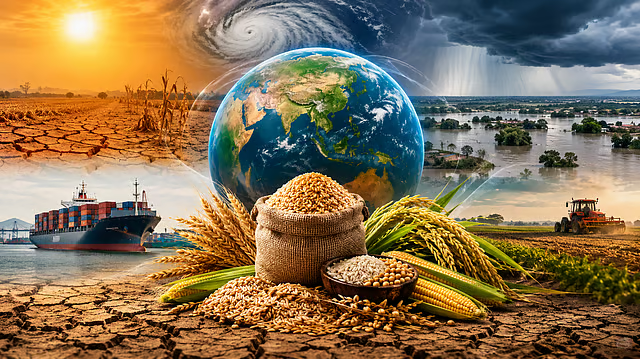
Climate-related risks are creating additional economic pressures for developing nations. Floods, droughts, extreme temperatures and other environmental disruptions can damage infrastructure, reduce agricultural production and affect livelihoods.
Countries with limited financial resources may find it difficult to recover from major climate-related disasters while continuing to finance essential development programmes.
Investment in climate-resilient infrastructure, sustainable agriculture, renewable energy and disaster preparedness can help reduce long-term economic risks.
International financial institutions can support these efforts through financing arrangements, technical assistance and policy guidance. However, developing countries also require access to affordable funding and appropriate technology to implement effective climate adaptation strategies.
India and the Wider Developing Economy
India represents an important example of an emerging economy balancing growth opportunities with structural challenges. Its expanding consumer market, infrastructure investment, manufacturing ambitions and digital development provide significant opportunities.
At the same time, managing inflation, creating sufficient employment, improving agricultural productivity and maintaining financial stability remain important economic priorities.
Other developing economies across Africa, Southeast Asia and Latin America face different combinations of debt, infrastructure, trade and employment challenges.
Their economic conditions vary considerably, making country-specific policies and development strategies essential rather than relying on a single approach.
The Worldonomics Times View
At The Worldonomics Times, we believe that the economic challenges facing developing nations require a balanced approach combining financial discipline, inclusive development and international cooperation.
Debt sustainability and macroeconomic stability are important, but economic progress must also create employment, improve public services and expand opportunities for ordinary citizens.
Governments should strengthen domestic revenue systems, encourage productive investment, improve infrastructure and support education and workforce development. International institutions, including the IMF, can contribute through financial assistance, economic analysis and technical support, while recognising the different circumstances and policy needs of individual countries.
We also believe that developing nations should strengthen regional trade, diversify their economies and invest in climate resilience to reduce their vulnerability to external shocks.
The Worldonomics Times believes that sustainable development depends on building resilient economies that can manage financial risks while creating long-term opportunities for their people.
Conclusion
Developing nations face a complex economic environment shaped by debt pressures, inflation, trade uncertainty, investment challenges and climate-related risks.
The IMF’s economic assessments and policy support remain relevant to discussions about international financial stability and development. However, lasting progress will depend on effective domestic policies, responsible financial management and cooperation among governments, businesses and international institutions.
Strengthening economic resilience, expanding productive capacity and ensuring inclusive growth will be essential for developing nations seeking a more stable and sustainable future.