By The Worldonomics Times
Category: Global Economy | November 2026
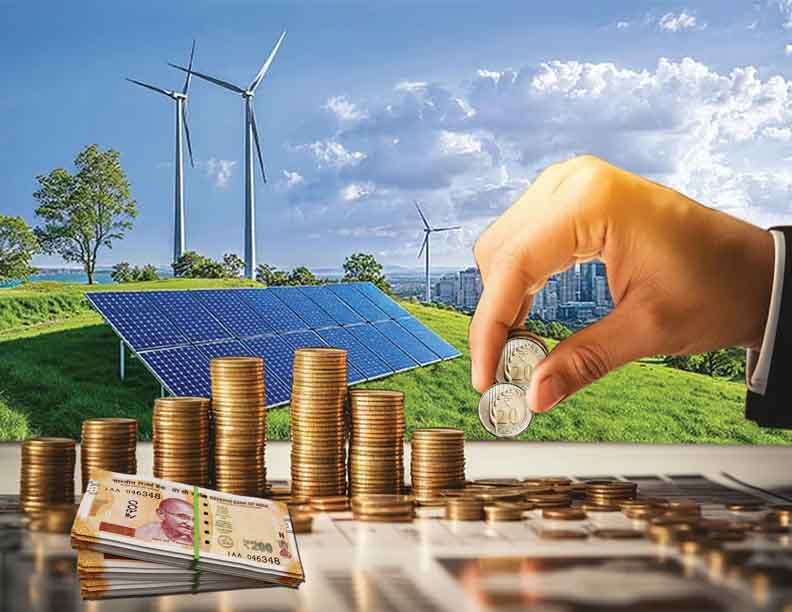
Renewable energy investments are becoming an increasingly important part of global economic planning as countries seek to strengthen energy security, reduce dependence on fossil fuels and support sustainable economic growth. Governments, businesses and international financial institutions are directing greater attention towards solar, wind, hydropower and other clean energy technologies.
Energy remains a fundamental driver of industrial production, transportation, infrastructure and household consumption. However, dependence on conventional energy sources can expose economies to fluctuating fuel prices, geopolitical tensions and supply disruptions. Renewable energy offers an opportunity to diversify energy systems while supporting long-term environmental and economic objectives.
As countries work towards modernising their energy infrastructure, investment in clean power generation, electricity storage and transmission networks is becoming a strategic economic priority.
Global Demand for Renewable Energy Continues to Grow
The transition towards renewable energy is being influenced by rising electricity demand, technological progress and increasing awareness of environmental challenges.
Solar and wind power have gained importance because they can generate electricity without the direct combustion of fossil fuels. Improvements in equipment efficiency and manufacturing capabilities have also helped expand their use across different markets.
Countries are investing in large-scale solar parks, offshore wind farms and distributed renewable energy systems. Businesses are also exploring renewable electricity procurement to manage long-term energy expenses and meet sustainability objectives.
The expansion of renewable energy is creating opportunities across several industries, including engineering, construction, electrical equipment, battery manufacturing and power management.
Solar and Wind Energy Attract Major Investment
Solar energy has become an important component of renewable energy planning. Falling technology costs over the long term, improved panel efficiency and supportive government policies have encouraged investment in residential, commercial and utility-scale solar installations.
Wind energy is also contributing to electricity generation in several regions. Onshore wind projects are being developed in suitable locations, while offshore wind investment offers opportunities to access stronger and more consistent wind resources.
However, renewable energy projects require careful planning. Land availability, environmental assessments, grid connectivity and financing arrangements can influence project costs and implementation timelines.
Expanding renewable capacity therefore requires cooperation between governments, private developers, equipment manufacturers and financial institutions.
Energy Storage and Modern Infrastructure
One of the major challenges associated with solar and wind power is their variable generation. Solar electricity depends on sunlight, while wind power depends on weather conditions.
Energy storage systems, particularly battery technologies, can help address this challenge by storing electricity when generation is high and releasing it when demand increases or renewable output declines.
Investment in grid modernisation is equally important. Advanced transmission networks, smart meters and digital energy management systems can improve electricity distribution and support the integration of renewable power.
Developing these supporting systems will be essential for building reliable and flexible energy infrastructure.
India Strengthens Its Renewable Energy Ambitions
India is placing renewable energy at the centre of its long-term energy strategy. The country has significant solar and wind energy potential and is working to expand clean electricity generation through public policies, private investment and infrastructure development.
Large solar parks, rooftop solar installations, wind power projects and renewable energy initiatives are creating opportunities for domestic manufacturers and international investors.
India is also developing capabilities in battery storage, electric mobility and green hydrogen. These areas could support industrial modernisation while reducing dependence on imported fossil fuels over time.
However, challenges remain, including land acquisition, financing requirements, transmission capacity and the need to manage electricity supply reliably. Continued investment in grid infrastructure and domestic manufacturing will be important for achieving long-term objectives.
Economic Opportunities and Employment Generation
Renewable energy investment can contribute to economic growth by creating employment and supporting new industrial sectors.
Solar panel manufacturing, wind turbine production, battery assembly, project engineering and maintenance services require skilled and semi-skilled workers. The expansion of these industries can also create opportunities for small and medium-sized enterprises.
Countries that develop domestic clean energy supply chains may strengthen their industrial competitiveness and reduce dependence on imported technologies.
At the same time, the transition requires investment in workforce development. Training programmes in electrical engineering, energy management, equipment installation and maintenance can help workers participate in the changing energy economy.
Financing and Policy Challenges
Despite growing interest, renewable energy development requires substantial initial investment. Large projects often depend on long-term financing, reliable regulations and predictable revenue arrangements.
High borrowing costs, currency fluctuations and delays in project approvals can affect investment decisions, particularly in developing economies.
Governments can support renewable energy development through transparent policies, competitive procurement, infrastructure investment and appropriate financial incentives.
International development institutions and private investors can also contribute by financing projects and helping reduce investment risks.
However, financial support must be designed carefully to ensure that projects remain economically viable and deliver measurable environmental and social benefits.
The Worldonomics Times View
At The Worldonomics Times, we believe renewable energy investment should be viewed not only as an environmental priority but also as a long-term economic strategy.
Reliable and affordable energy is essential for industrial development, employment generation and national competitiveness. Diversifying energy sources can help countries reduce exposure to international fuel market volatility while supporting technological innovation and new manufacturing opportunities.
Governments should establish stable investment frameworks, strengthen electricity networks and encourage research into energy storage and efficient power systems. Developing economies must also receive access to affordable financing and advanced technologies so that the energy transition does not widen existing economic inequalities.
The Worldonomics Times believes that the future of global energy will depend on balancing economic affordability, energy security, technological innovation and environmental responsibility.
Conclusion
Renewable energy investments are becoming an essential part of global economic planning as countries seek more secure, diversified and sustainable energy systems.
Solar, wind, battery storage and modern electricity infrastructure offer opportunities to strengthen industrial development, create employment and attract international investment.
Although financing, infrastructure and technological challenges remain, consistent policies and cooperation between governments and businesses can accelerate progress.
The long-term success of the global energy transition will depend on making clean energy reliable, affordable and accessible while ensuring that economic growth remains sustainable and inclusive.