International investment is entering a period of strategic recalibration. Geopolitical tensions, changing trade policies, elevated financing costs and financial market volatility are influencing where businesses invest, which industries attract capital and how investors manage risk. Although global investment is recovering, capital is becoming increasingly selective, with technology, energy security and strategic industries emerging as major priorities.
Global Capital Flows Enter a New Phase
International investment is a major driver of economic growth, technological progress and employment creation. Foreign direct investment (FDI) enables companies to expand production, access new markets, develop infrastructure and strengthen international business relationships. However, the global investment landscape is changing as political and economic risks increasingly influence corporate decisions.
According to UN Trade and Development (UNCTAD), global foreign direct investment increased by 6% to approximately $1.6 trillion in 2025, ending two consecutive years of decline. However, the recovery remains uneven. Investment flows to developed economies increased by 11%, while developing economies recorded growth of only 2%, reaching $901 billion.
The figures suggest that international investment is recovering, but opportunities are becoming concentrated in a relatively small number of countries and industries.
Geopolitical Tensions Influence Investment Decisions
Geopolitical uncertainty has become an important consideration for international investors. Conflicts, trade disputes, economic sanctions and changing diplomatic relationships can affect market access, production costs and the security of international operations.
Businesses are increasingly assessing political stability before committing capital to long-term projects. A manufacturing facility established in one country may become less profitable if new tariffs, export restrictions or regulatory barriers affect its access to international markets.
Consequently, multinational companies are reconsidering their geographical strategies. Some are diversifying production locations, strengthening regional supply chains and investing in countries that offer stable regulations and reliable infrastructure.
This shift does not necessarily indicate the end of globalisation. Instead, international investment is becoming more focused on resilience, strategic partnerships and the ability to operate under changing political conditions.
Technology and Artificial Intelligence Attract Major Investment
Technology has emerged as one of the strongest destinations for international capital. Artificial intelligence, semiconductor manufacturing, cloud computing, cybersecurity and digital infrastructure are attracting significant investment from governments and private companies.
The rapid expansion of AI applications has increased demand for data centres, advanced chips, high-performance computing and electricity infrastructure. Companies are investing heavily to secure technological capabilities and strengthen their competitive positions.
UNCTAD’s World Investment Report 2026 highlights the growing concentration of investment in strategic industries. Artificial intelligence infrastructure, semiconductors, critical minerals and energy-transition technologies accounted for 44% of announced greenfield investment project values in 2025, compared with 16% in 2020.
This trend demonstrates how investment decisions are increasingly influenced by technological competition and national economic priorities.
However, heavy concentration in a limited number of technology sectors also creates risks. If expected returns from AI investments fail to materialise, valuations and investment plans could face significant pressure.
Financial Market Uncertainty Encourages Caution
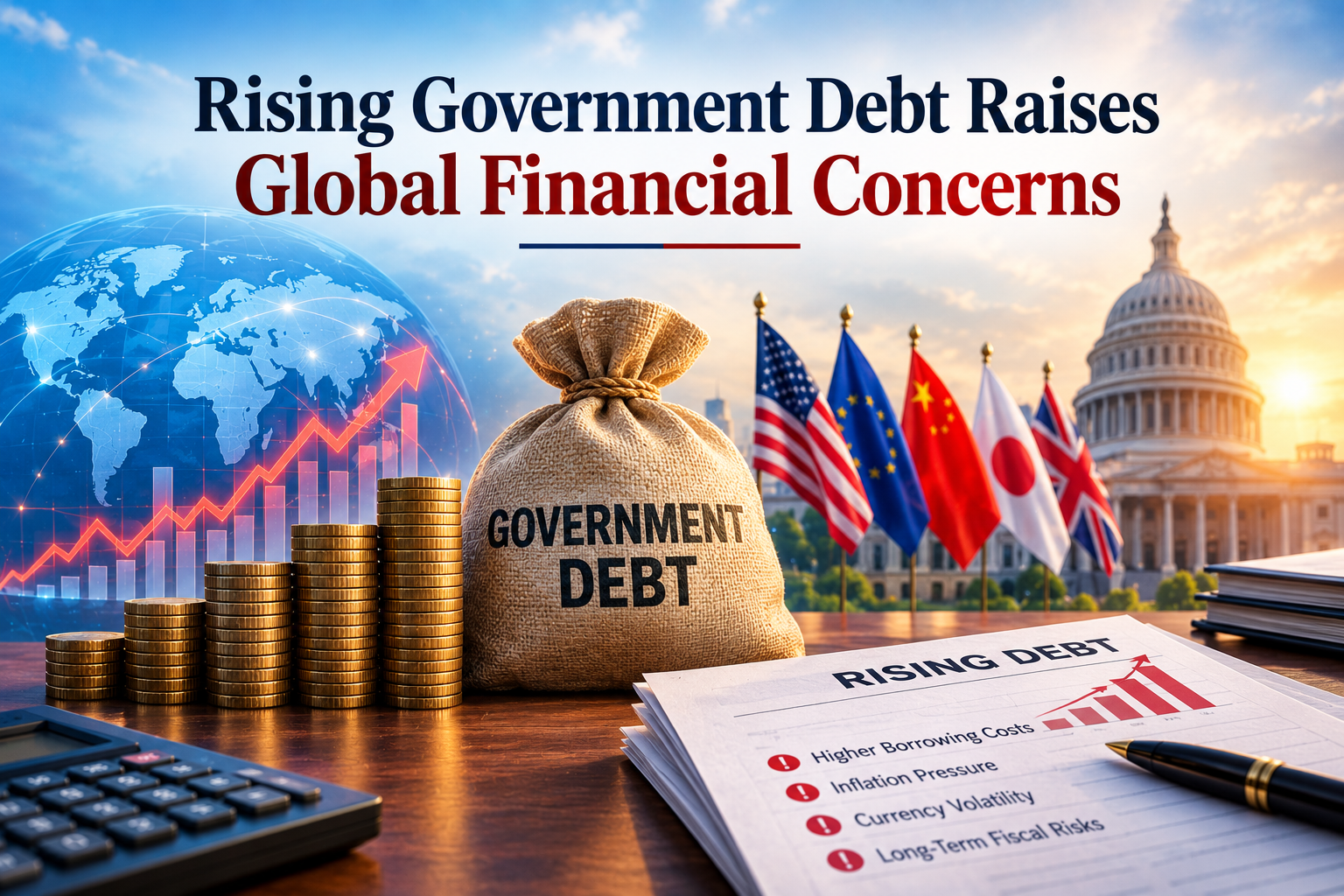
Financial market volatility is another factor influencing international investment strategies. Changes in interest rates, inflation expectations, government borrowing requirements and currency values can affect the cost and profitability of investment projects.
Higher borrowing costs make it more expensive for companies to finance factories, infrastructure and international expansion. Investors may consequently postpone projects or demand higher returns before committing capital.
The International Monetary Fund’s October 2026 Global Financial Stability Report warns that financial markets remain exposed to several important risks, including potential corrections in AI-related assets, rising sovereign bond yields and increasing cyber threats.
These vulnerabilities encourage investors to examine their portfolios more carefully. Rather than pursuing rapid expansion, many are placing greater emphasis on financial strength, cash flow, risk management and long-term returns.
Emerging Markets Seek Greater Investment Opportunities
Developing economies remain important destinations for international investment because of their growing populations, expanding consumer markets, competitive production costs and infrastructure requirements.
Countries across Asia, Africa and Latin America are seeking foreign capital to strengthen manufacturing, renewable energy, transportation, technology and other productive industries.
India, for example, recorded a 44% increase in FDI inflows in 2025, reaching approximately $39 billion, according to UNCTAD. Southeast Asia has also strengthened its position as an important destination for international investment.
However, attracting investment is becoming more challenging for countries that lack reliable infrastructure, skilled workers, stable regulations and access to affordable financing.
Developing economies must therefore improve their investment environments and identify sectors where they can compete effectively in international value chains.
Green Energy and Infrastructure Remain Important Priorities
The global transition towards cleaner energy is creating significant investment opportunities. Renewable power, battery storage, electric vehicles, critical minerals and modern electricity networks are attracting growing attention.
Governments and businesses are investing in these sectors to improve energy security, reduce emissions and support long-term economic development.
However, high financing costs and regulatory uncertainty can delay large infrastructure projects, particularly in developing countries.
Stable government policies, transparent regulations and effective public-private partnerships will be essential to encourage investment in projects that require substantial initial capital and long development periods.
The Worldonomics Times View
International investment is not disappearing; it is becoming more selective, strategic and sensitive to risk. The traditional focus on production costs, market size and expected profitability is increasingly being supplemented by considerations such as geopolitical stability, supply-chain security, technological independence and regulatory predictability.
The Worldonomics Times believes that this transformation presents both opportunities and challenges for the global economy. Investment in artificial intelligence, advanced manufacturing and clean energy can strengthen productivity and create new industries. However, excessive concentration of capital in a limited number of economies and technology sectors could widen the economic gap between developed and developing countries.
Governments must therefore create investment environments that encourage innovation while maintaining transparency, fair competition and long-term policy stability. Developing economies should prioritise infrastructure, education, skilled employment and efficient regulatory systems to attract sustainable investment rather than relying exclusively on short-term financial incentives.
Investors, meanwhile, should adopt diversified strategies that balance emerging opportunities with responsible risk management. Strong financial fundamentals, careful market research and long-term planning will be essential in an uncertain international environment.
Ultimately, the future of international investment will depend on the ability of governments and businesses to balance economic opportunity with geopolitical and financial realities. Capital will continue to move across borders, but its destinations will increasingly reflect the changing priorities of a more interconnected and competitive world economy.